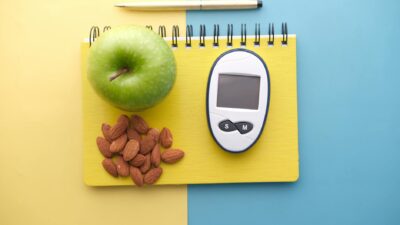
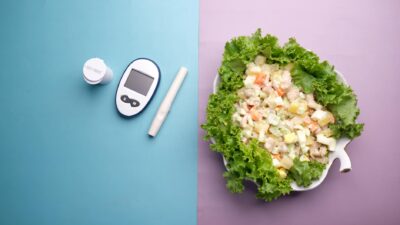
This type 2 diabetes diet sheet is a practical guide to what to eat, what to skip, and how to build a plate that keeps blood sugar in range. It is not a literal printable handout – it is a reference you can use when shopping, cooking, or ordering out. The foundation is simple: non-starchy vegetables and lean protein at the center of every meal, high-fiber carbs as the side, and added sugar and refined grains at the edges.
The Core Principles
- Control carbohydrate portions, not calories first. Carbs have the biggest single impact on blood sugar.
- Choose fiber-rich carbs. Beans, lentils, intact whole grains, non-starchy vegetables, and whole fruit.
- Include protein at every meal and snack. Protein slows digestion, preserves muscle, and improves satiety.
- Use healthy fats for satisfaction. Olive oil, avocado, nuts, seeds, fatty fish.
- Keep added sugar under 25 grams per day. Less if your A1C is well above target.
- Drink water. Skip sugar-sweetened beverages entirely.
The Food Sheet – At a Glance
| Group | Eat Freely | Eat in Portions | Limit or Avoid |
|---|---|---|---|
| Vegetables | Leafy greens, broccoli, cauliflower, zucchini, peppers, tomatoes, mushrooms, cucumber, asparagus | Corn, peas, winter squash, carrots (cooked) | Fried vegetables, creamed vegetables, vegetable chips |
| Fruits | Berries, green apples | Orange, pear, kiwi, grapefruit, melon, 1/2 banana | Fruit juice, dried fruit, canned fruit in syrup |
| Grains | – | Oats, quinoa, barley, farro, brown rice, whole-grain pasta (1/3-1/2 cup cooked) | White bread, white rice, pastries, sugary cereal, bagels |
| Protein | Fish, shellfish, chicken, turkey, eggs, tofu, tempeh | Lean beef, pork, lamb, cheese (1 oz) | Bacon, sausage, hot dogs, fried meat, deli meats |
| Legumes | – | Beans, lentils, chickpeas (1/2 cup cooked) | Refried beans with lard, baked beans with sugar |
| Dairy | – | Plain Greek yogurt, cottage cheese, unsweetened milk (1 cup) | Flavored yogurt, sweetened milk, ice cream, whole-fat dairy in excess |
| Fats | Olive oil, avocado, nuts, seeds (portioned) | Butter, ghee (sparingly) | Trans fats, hydrogenated oils, fried foods |
| Drinks | Water, unsweetened tea, black coffee, sparkling water | Milk, diet drinks | Soda, sweet tea, juice, sports drinks, sweetened coffee drinks |
| Sweeteners | – | Stevia, monk fruit, erythritol | Sugar, honey, agave, syrup, high-fructose corn syrup |
Portion Guide – The Plate Method
Use a 9-inch dinner plate:
- Half the plate: non-starchy vegetables (aim for two colors)
- One quarter: lean protein, roughly palm-sized
- One quarter: high-fiber carb, cupped-hand sized (1/2 cup cooked)
- Thumb of fat: olive oil, avocado, nuts
- Optional: small piece of fruit or unsweetened dairy
Carb Targets
Carb targets are individual, but these are useful starting points:
- Women: 30-45 g carbs per meal, 15 g per snack, 130-175 g per day
- Men: 45-60 g carbs per meal, 15-30 g per snack, 175-225 g per day
- Lower-carb option: 50-130 g per day for those using a ketogenic or low-carb approach under medical supervision
Track your glucose response with a meter or CGM. If a meal pushes your 1-hour reading above 180 mg/dL, reduce the carb portion by about 15 grams next time.
Sample Day
- Breakfast: 2-egg vegetable omelet, 1 slice sprouted grain toast with avocado, black coffee
- Snack: Plain Greek yogurt with 1/2 cup blueberries and a few walnuts
- Lunch: Big salad with grilled chicken, chickpeas, tomato, cucumber, olive oil and lemon, a small apple
- Snack: Handful of almonds and a cheese stick
- Dinner: Baked salmon, 1/2 cup quinoa, roasted broccoli and peppers with olive oil, mixed green salad
Approximate macros: 140-170 g carbs, 110-130 g protein, 35-40 g fiber, 1800-2000 kcal.
Smart Swaps That Actually Work
| Instead of | Try |
|---|---|
| White rice | Cauliflower rice mixed half-and-half with brown rice |
| Pasta | Lentil pasta, chickpea pasta, or spiralized zucchini |
| Sugary cereal | Plain Greek yogurt with berries and nuts |
| Bread sandwich | Lettuce wrap, collard wrap, or sprouted-grain open-faced |
| Soda | Sparkling water with lemon or a splash of 100% juice |
| Potato chips | Roasted chickpeas or a small handful of nuts |
| Mashed potato | Mashed cauliflower with olive oil and garlic |
| Orange juice | Whole orange or a glass of water |
Eating Out
- Start with a salad, broth-based soup, or non-starchy vegetable side
- Ask for grilled, baked, or steamed instead of fried or breaded
- Swap fries or chips for a side salad or vegetables
- Order dressings and sauces on the side
- Box half the entree before eating – restaurant portions are usually double a standard serving
- Skip the bread basket or choose a single slice with olive oil
Beyond Food
Diet alone does a lot, but it does more when paired with:
- 150 minutes of moderate exercise per week, plus 2 days of strength training
- A 10-minute walk after meals
- 7-9 hours of quality sleep
- Stress management (breathwork, yoga, therapy, time outdoors)
- Prescribed medications taken as directed
If your A1C falls into the prediabetes range, these same strategies can help you avoid a type 2 diabetes diagnosis entirely. See our diet and nutrition hub for more detailed meal planning.
The Bottom Line
A type 2 diabetes diet sheet is a practical framework, not a rigid menu. Build meals around non-starchy vegetables and lean protein, choose high-fiber carbs in controlled portions, add healthy fats for satiety, and push added sugar and refined grains to the margins. Use the Plate Method as your default, track your glucose response, and adjust portions to match your body. Consistency over weeks and months is what moves A1C.