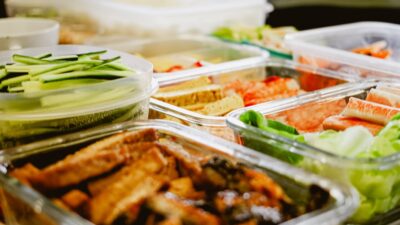
A gestational diabetes diet plan emphasizes three meals and two to three snacks per day, with consistent carbohydrate portions balanced by protein, fat, and fiber. Typical targets are 30-45 grams of carbs per meal and 15-30 grams per snack, totaling 175-200 grams per day. The plan is designed to keep fasting and post-meal blood sugar in range while supporting healthy weight gain for you and your baby.
Why Diet Is the First Line of Treatment
Gestational diabetes develops when placental hormones make your cells more resistant to insulin. About 70 to 85% of women with gestational diabetes achieve target blood sugar with diet and exercise alone. When readings stay high despite a solid plan, insulin or metformin is added. Either way, the diet is the foundation and usually continues after delivery because women with gestational diabetes have a 50% chance of developing type 2 diabetes within 10 years.
The Basics of a Gestational Diabetes Diet Plan
- Three meals plus 2-3 snacks spaced every 2 to 3 hours to prevent large glucose swings
- Carbs spread evenly across the day rather than concentrated at one meal
- Protein at every eating occasion to slow carb absorption and stabilize glucose
- Emphasis on high-fiber carbs: beans, lentils, intact whole grains, non-starchy vegetables, whole fruit
- Strict limits on added sugar and refined carbs
- Adequate calories – no aggressive restriction during pregnancy
Typical Carb Targets
| Meal/Snack | Carbohydrate (grams) | Timing |
|---|---|---|
| Breakfast | 15-30 g (lowest of the day) | Within 1 hour of waking |
| Mid-morning snack | 15-30 g | 2-3 hours after breakfast |
| Lunch | 30-45 g | Midday |
| Afternoon snack | 15-30 g | 2-3 hours after lunch |
| Dinner | 30-45 g | Evening |
| Bedtime snack | 15-30 g (with protein) | Prevents morning ketosis |
Blood sugar targets from the ADA: fasting below 95 mg/dL, 1-hour post-meal below 140 mg/dL, or 2-hour post-meal below 120 mg/dL.
Best Foods to Build Around
- Non-starchy vegetables (unlimited): leafy greens, broccoli, peppers, zucchini, cauliflower, mushrooms, tomatoes
- Lean proteins: chicken, turkey, fish (low-mercury), eggs, Greek yogurt, cottage cheese, tofu
- Healthy fats: olive oil, avocado, nuts, seeds, nut butters
- High-fiber carbs: beans, lentils, quinoa, steel-cut oats, sweet potato, berries, apples
- Dairy: plain Greek yogurt, cottage cheese, unsweetened milk
Foods to Limit or Avoid
- Sugar-sweetened drinks: soda, sweet tea, juice, sports drinks, flavored coffee drinks
- Refined grains: white bread, white rice, regular pasta, most cereal
- Sweets: cookies, cake, ice cream, candy, pastries
- Processed snack foods: chips, crackers, granola bars
- Fruit juice and dried fruit
- Sweetened yogurt and flavored milks
- Alcohol (avoid entirely during pregnancy)
Breakfast Is the Hardest Meal
Morning hormones make blood sugar most reactive at breakfast. Many foods that are healthy otherwise – oatmeal, banana, whole-grain toast, cereal – will spike glucose before 10 a.m. Most women do best with a low-carb, protein-forward breakfast:
- 2 eggs with spinach and feta, a slice of avocado
- Greek yogurt with chopped walnuts and a few berries
- Cottage cheese with sliced cucumber and tomato
- Omelet with turkey, peppers, and cheese
If you want toast, limit to one slice of sprouted grain with eggs or nut butter, and test your 1-hour response.
Sample One-Day Meal Plan
- Breakfast (15-30 g): 2 eggs scrambled with spinach and cheese, 1 slice sprouted grain toast with butter
- Morning snack (15 g): 1/2 apple with 2 tablespoons peanut butter
- Lunch (30-45 g): Turkey and hummus wrap on whole-grain tortilla, side salad with olive oil, 1/2 cup strawberries
- Afternoon snack (15-20 g): Greek yogurt with a handful of blueberries
- Dinner (30-45 g): Grilled chicken, 1/2 cup brown rice, roasted broccoli and peppers with olive oil
- Bedtime snack (15-30 g): Whole-grain crackers with cheese, or cottage cheese with a few berries
Blood Sugar Monitoring
Most providers recommend testing four times a day: fasting and 1 or 2 hours after each meal. Keep a log of readings alongside what you ate. Patterns reveal trigger foods and help fine-tune the plan. If readings consistently exceed target for a particular meal over 3 to 5 days, adjust carb portion or food choices before your next visit.
Exercise and Daily Movement
Unless your obstetrician has restricted activity, 20 to 30 minutes of moderate movement after meals meaningfully lowers post-meal glucose. Walking, prenatal yoga, swimming, and stationary cycling are all excellent. Even a 10-minute walk after dinner can cut the 1-hour reading by 20 to 30 mg/dL.
After Delivery
Gestational diabetes usually resolves after birth, but follow-up matters. The ADA recommends a 75-gram OGTT at 4 to 12 weeks postpartum and then screening every 1 to 3 years for life. Because of the long-term risk of type 2 diabetes, the eating patterns you establish now carry real value – see our guide on preventing progression to type 2 diabetes and our broader diet and nutrition hub.
The Bottom Line
A gestational diabetes diet plan is structured, consistent, and built around protein at every meal and snack, with carbs spread evenly across the day. Three meals plus two to three snacks, 175-200 grams of carbs daily, and close collaboration with your obstetrics and nutrition team will manage glucose for the vast majority of women. The habits you build now protect your baby today and reduce your long-term diabetes risk for years to come.