Does cheese spike blood sugar? In almost all cases, no. Most cheeses have less than 1 gram of carbs per ounce and a glycemic index near zero — they have effectively no impact on blood glucose. The exceptions are fresh cheeses like cottage cheese and ricotta, which contain 2 to 6 grams of lactose per serving, but even those produce minimal glucose rises thanks to their high protein and fat content. When blood sugar rises after a “cheese” meal, it is almost always the partner food — crackers, bread, pasta, fruit — that is responsible, not the cheese itself. The legitimate concerns with cheese are saturated fat, sodium, and calorie density, not blood glucose.
Carbs and GI by Cheese Type
| Cheese | Serving | Carbs (g) | Protein (g) | Fat (g) | Sodium (mg) | GI | GL |
|---|---|---|---|---|---|---|---|
| Parmesan | 1 oz | 1 | 10 | 7 | 335 | ~0 | 0 |
| Cheddar (sharp) | 1 oz | 0.4 | 7 | 9 | 180 | ~0 | 0 |
| Mozzarella (whole milk) | 1 oz | 0.6 | 6 | 6 | 175 | ~0 | 0 |
| Mozzarella (part skim) | 1 oz | 1 | 7 | 4 | 175 | ~0 | 0 |
| Gouda | 1 oz | 0.6 | 7 | 8 | 230 | ~0 | 0 |
| Swiss / Gruyere | 1 oz | 1.5 | 8 | 8 | 55 | ~0 | 0 |
| Feta | 1 oz | 1.2 | 4 | 6 | 315 | ~0 | 0 |
| Brie | 1 oz | 0.1 | 6 | 8 | 175 | ~0 | 0 |
| Goat cheese (chevre) | 1 oz | 0.3 | 5 | 6 | 105 | ~0 | 0 |
| Blue cheese | 1 oz | 0.7 | 6 | 8 | 325 | ~0 | 0 |
| Cream cheese | 1 oz (2 tbsp) | 1.4 | 2 | 9 | 90 | ~0 | 0 |
| Cottage cheese (2%) | 1/2 cup | 5 | 12 | 2.5 | 360 | 10 | 1 |
| Ricotta (whole milk) | 1/2 cup | 4 | 14 | 16 | 105 | 15 | 1 |
| American cheese (processed) | 1 oz | 2 | 5 | 6 | 340 | 27 | 0-1 |
Why Cheese Has Such a Small Glucose Impact
- Very low carbohydrate content: hard cheeses have less than 1 g of carbs per ounce because aging and fermentation consume most of the lactose.
- High protein: 6 to 10 g per ounce — slows digestion and supports satiety.
- High fat: 6 to 9 g per ounce — slows gastric emptying.
- Low glycemic load: even fresh cheeses with more lactose produce a glycemic load of 1 or less per serving.
- Insulinogenic but not glucose-raising: dairy protein stimulates a modest insulin release without driving glucose up — actually useful for glucose stability.
Where the Spike Actually Comes From
When people see a glucose rise after eating “cheese,” the culprit is almost always the partner food:
| Meal | Carb Source | Typical Spike |
|---|---|---|
| 1 oz cheddar alone | None (0.4 g) | 0 to 5 mg/dL |
| 1 oz cheddar + 10 crackers | Crackers (20 g) | 25 to 40 mg/dL |
| Mac and cheese (1 cup) | Pasta (40 g) | 40 to 70 mg/dL |
| Pizza (2 slices) | Crust (50 g) | 50 to 100 mg/dL |
| Cheesecake (1 slice) | Crust + sugar (35 g) | 40 to 80 mg/dL |
| Grilled cheese sandwich | Bread (30 g) | 30 to 60 mg/dL |
| 1 oz cheddar + apple | Apple (20 g) | 15 to 30 mg/dL (lower than apple alone) |
Cheese with crackers or bread is a meal mostly made of carbs from the partner. The fix is to adjust the carb side, not eliminate the cheese.
Cheese as a Glucose-Blunting Tool
The fat and protein in cheese slow gastric emptying and starch digestion. Pairing cheese with a carb food can reduce the resulting glucose peak by 20 to 35 percent compared with the carb alone:
- Apple slices + 1 oz aged cheddar — classic, blunts the apple curve.
- Whole grain crackers + cheese — fewer crackers, more cheese tilts the macros favorably.
- Cottage cheese + berries — a lower-spike breakfast than yogurt with granola.
- Caprese salad (mozzarella, tomato, basil, olive oil) — minimal carbs, satisfying meal.
- Parmesan on roasted vegetables or salads — adds flavor and satiety without carbs.
The Real Concerns: Saturated Fat, Sodium, Calories
Cheese is not a blood glucose problem, but other aspects deserve attention:
| Concern | Why It Matters | Practical Tip |
|---|---|---|
| Saturated fat (4 to 6 g per oz) | Can raise LDL cholesterol in some people; ADA suggests limiting | Choose part-skim mozzarella or low-fat cottage cheese; keep to 1-2 oz/day |
| Sodium (180 to 450 mg per oz) | Most cheeses are high; affects blood pressure | Swiss, gruyere, and goat cheese are lower-sodium options |
| Calories (90 to 115 per oz) | Calorie-dense; portion creep is easy | Pre-portion 1 oz servings; weigh occasionally to recalibrate |
| Processed cheese | Higher sodium, lower-quality fats, more carbs | Choose real aged cheese over American singles or cheese spreads |
The Lactose Question
Some people worry that the lactose in cheese will spike blood sugar. The reality:
- Aged hard cheeses (cheddar 3 months+, parmesan 12 months+, gouda 6 months+) have nearly all the lactose consumed by bacteria during aging — less than 1 g per ounce.
- Fresh cheeses (ricotta, cottage cheese, cream cheese) retain more lactose — 2 to 6 g per serving.
- Even at 6 g of lactose, the glycemic load is only 1 to 2 (lactose has a moderate GI of 46 but the protein and fat in cheese slow it).
- For people with lactose intolerance, hard aged cheeses are usually well tolerated.
Cheese in High-Carb Meals
When cheese is the binder in a high-carb dish, the dish glycemic load comes mostly from the carb base, not the cheese:
- Pizza: 1 slice has 30 to 35 g of carbs from the crust; cheese adds protein but does not change the carb count meaningfully.
- Mac and cheese: the pasta is the issue, not the cheese sauce.
- Lasagna: pasta sheets and tomato sauce drive the carb load.
- Quesadilla: the tortilla is the carb source.
- Cheesecake: the crust and added sugar drive the spike — the cream cheese itself is low-carb.
Practical Strategies
- Use cheese to flatten carbs: add cheese to fruit, crackers, or sandwiches for a smoother curve.
- Pre-portion 1 oz servings: 1 ounce is a thumb-sized piece of cheese, or about 1/4 cup shredded.
- Choose real aged cheese: better flavor, lower processing, no surprising additives.
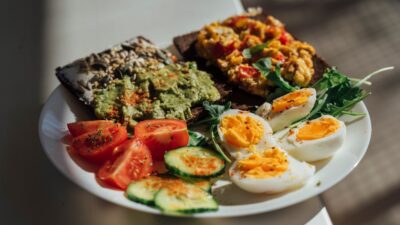
- Make a cheese-and-vegetable plate: 1 oz cheese + cucumber slices + olives + a few nuts — a low-spike snack platter.
- Watch the cracker: the cracker is the problem, not the cheese. Use vegetable slices or nut-based crackers as the base.
- For sodium-sensitive people: swiss, gruyere, goat cheese, and fresh mozzarella are lower-sodium options.
- For LDL cholesterol concerns: part-skim mozzarella, low-fat cottage cheese, and feta are leaner choices.
Personal Response Testing
- Test 1 to 2 ounces of your usual cheese alone — most people see less than 5 mg/dL change.
- Test cheese with crackers vs crackers alone — typical reduction with cheese is 20 to 30 percent.
- Pizza, mac and cheese, and lasagna will spike regardless of the cheese — those are carb-driven meals.
- A small subset of people see a delayed glucose rise from protein-heavy meals (gluconeogenesis); test 2 to 3 hours post-meal to catch it.
Related Reading
See our broader guides on diet-and-nutrition, A1c levels, and is prediabetes reversible.
For external authoritative information, the American Diabetes Association describes dairy including cheese as a normal part of a diabetes meal plan, and the CDC diabetes resources highlight low-fat dairy as part of recommended eating patterns.
The Bottom Line
Cheese does not spike blood sugar. Most hard and aged cheeses have less than 1 gram of carbs per ounce and a glycemic index near zero. Fresh cheeses with more lactose still produce minimal glucose response thanks to their protein and fat. When blood sugar rises after a cheese-based meal, the partner food (crackers, bread, pasta, fruit) is the cause. Cheese can actually be a useful glucose-blunting tool when paired with carbs. The real things to watch with cheese are saturated fat, sodium, and total calories — not blood glucose. Keep portions to 1 to 2 ounces per day, favor real aged cheeses over processed slices, and use cheese to flatten the curve from other carb foods rather than thinking of it as a glucose risk in itself.