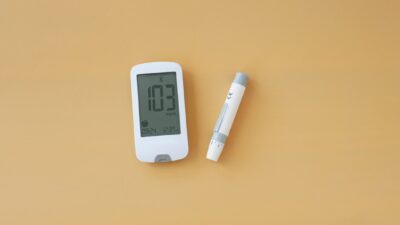
Yes, fruit does spike blood sugar — but how much depends heavily on the fruit, the form, and what you eat it with. Berries, cherries, and citrus produce small, slow glucose rises. Tropical fruits like mango and pineapple cause larger spikes. Dried fruit and fruit juice are the highest-impact forms because the fiber is concentrated or removed entirely. Whole fresh fruit remains one of the healthiest food groups for prediabetes.
How Fruit Sugar Actually Works
Fruit contains three main carbohydrates: glucose, fructose, and sucrose (which is half glucose and half fructose). Glucose raises blood sugar directly and triggers an insulin response. Fructose is metabolized mostly in the liver, where it is converted to glucose, glycogen, or fat. The liver route means fructose produces a smaller immediate glucose spike than pure glucose, but large chronic doses contribute to fatty liver and insulin resistance.
The critical variable in whole fruit is fiber. The cell walls of fruit slow how quickly sugar reaches the bloodstream. When you eat a whole apple, the sugar arrives gradually over an hour. When you drink apple juice, the same sugar arrives in 15 minutes. Same grams, different glucose curve. This is why epidemiological studies consistently show whole fruit is neutral or protective for diabetes risk, while fruit juice raises it.
Fruit-by-Fruit Glucose Impact
| Fruit | Serving | Net Carbs (g) | Glycemic Impact |
|---|---|---|---|
| Raspberries | 1 cup | 7 | Very low |
| Blackberries | 1 cup | 7 | Very low |
| Strawberries | 1 cup sliced | 9 | Low |
| Avocado | 1/2 medium | 2 | Negligible |
| Grapefruit | 1/2 medium | 10 | Low |
| Blueberries | 1 cup | 17 | Low to moderate |
| Apple | 1 medium | 21 | Low to moderate |
| Pear | 1 medium | 22 | Low to moderate |
| Peach | 1 medium | 13 | Low to moderate |
| Orange | 1 medium | 12 | Low to moderate |
| Banana (ripe) | 1 medium | 24 | Moderate |
| Grapes | 1 cup | 26 | Moderate |
| Mango | 1 cup | 22 | Moderate to high |
| Pineapple | 1 cup | 20 | Moderate to high |
| Watermelon | 1 cup | 11 | High GI, low glycemic load |
| Raisins | 1/4 cup | 30 | High |
| Dates (Medjool) | 2 large | 32 | Very high |
| Orange juice | 1 cup | 26 | Very high (no fiber) |
Why Berries Are the Clear Winners
Berries have the best profile of any common fruit: low sugar per cup, high fiber, and high polyphenol content. The anthocyanins that give berries their deep color have been linked to improved insulin sensitivity in multiple studies. A 2013 analysis in the BMJ of 187,000 participants found that blueberries, grapes, and apples were the fruits most strongly associated with reduced type 2 diabetes risk.
Raspberries and blackberries top the list for people watching carbs closely — a full cup delivers only 7 grams of net carbs along with 8 grams of fiber. Strawberries and blueberries are not far behind. Frozen berries are equally nutritious and often cheaper than fresh.
Fruits to Portion Carefully
Tropical fruits and grapes deliver more sugar per serving than temperate fruits. This does not mean avoidance — it means smaller portions. A half-cup of pineapple or mango is a reasonable serving; a full bowl as a standalone snack is likely to spike glucose 40 to 80 mg/dL in someone with prediabetes.
Bananas deserve special mention because they are so common. A small, slightly green banana has a lower glycemic impact than a large, speckled ripe one. Pairing banana with peanut butter, Greek yogurt, or a handful of nuts substantially blunts the spike.
The Special Case of Dried Fruit and Juice
Dried fruit and juice are where most “I thought fruit was healthy” glucose surprises come from. A quarter cup of raisins (a small handful) contains the same sugar as a full apple but a fraction of the water and fiber volume, so it is easier to overeat. Dates are even more concentrated — two Medjool dates hit 32 grams of carb. Treat dried fruit as a topping, not a snack on its own.
Juice removes the fiber entirely. Eight ounces of apple juice contains the sugar of three apples without the chewing time or satiety. The American Diabetes Association’s fruit guidance explicitly recommends whole fruit over juice for glucose control.
Practical Rules for Eating Fruit with Prediabetes
- Aim for 2 to 3 servings of whole fruit per day, prioritizing berries and lower-sugar options
- Pair fruit with protein or fat (nuts, cheese, yogurt, nut butter) to flatten the glucose curve
- Eat fruit as part of a meal rather than on an empty stomach
- Limit dried fruit to tablespoon-sized portions as a garnish
- Skip juice as a drink; if you want citrus flavor, add a slice to sparkling water
- If you use a continuous glucose monitor, check your personal response — individuals vary
For more on assembling a prediabetes-friendly plate, see the diet and nutrition hub. For context on what A1C numbers mean, visit the A1C levels guide.
The Bottom Line
Does fruit spike blood sugar? Whole fresh fruit causes a modest, fiber-buffered rise in most people. Berries barely move the needle; tropical fruits move it more; dried fruit and juice move it a lot. The solution is not avoidance but selection and portion. Two to three servings of whole fruit daily fit comfortably in a prediabetes diet and bring vitamins, fiber, and polyphenols you cannot get from a pill.
This article is for educational purposes and does not replace personalized advice from your healthcare provider. Talk with your doctor or registered dietitian about your individual fruit tolerance if you have diabetes or are on glucose-lowering medication.