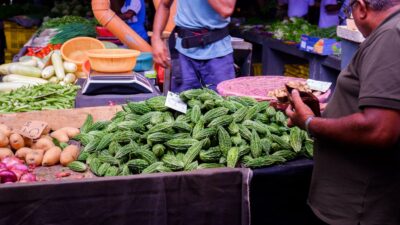
Fenugreek for diabetes is one of the better-studied herbal interventions — small trials with high seed doses (5 to 25 g/day) have shown A1C reductions of approximately 0.5 to 1.5 percent. Its mechanism is unusual among herbal supplements in being mechanistically explicable through two routes: soluble fiber that slows carbohydrate absorption, and an amino acid (4-hydroxyisoleucine) that may stimulate insulin secretion. Side effects include GI symptoms, a memorable maple-syrup body odor, and uterine-stimulant effects that make it unsuitable in pregnancy. This guide walks through the biology, the evidence, dosing, side effects, and ADA position.
What Fenugreek Is
Fenugreek (Trigonella foenum-graecum) is an annual leguminous herb. Botanical features:
- Family: Fabaceae (legume family) — related to peas, beans, peanuts
- Native to the Mediterranean basin, North Africa, and the Indian subcontinent
- Used in Indian, Middle Eastern, and North African cuisine for thousands of years
- The hard, golden-brown seeds are the main medicinal part; leaves (methi) are also eaten as a vegetable
Fenugreek is one of the oldest known cultivated plants, with evidence of use in ancient Egypt and India. Historical medicinal uses include digestion support, postpartum lactation, and (in Ayurveda) diabetes.
Active Constituents
- Galactomannans: high-molecular-weight soluble fiber making up 30 to 50 percent of the seed; main fiber mechanism
- 4-hydroxyisoleucine: a unique non-protein amino acid; ~0.5 percent of seed by weight; proposed insulin secretagogue
- Trigonelline: an alkaloid with possible glucose effects
- Diosgenin and saponins: steroid-like compounds
- Coumarins: low-level coumarin compounds; relevant to anticoagulant interaction
- Sotolon: the maple-syrup aroma compound
- Iron, manganese, magnesium, fiber, protein: general nutritional profile
Mechanisms
| Mechanism | Evidence level | Notes |
|---|---|---|
| Soluble fiber slowing carb absorption | Well documented | Galactomannans form viscous gel; reduces glucose peak |
| 4-hydroxyisoleucine insulin secretion | Animal and cell culture | Glucose-dependent; theoretically lower hypoglycemia risk |
| Inhibition of intestinal alpha-amylase | In vitro | Modest carbohydrate digestion delay |
| Trigonelline glucose effects | Animal data | Less well characterized |
| Increased insulin sensitivity | Modest | Mechanism unclear; may relate to overall metabolic effects |
| Slowed gastric emptying | Documented | Fiber-related; contributes to glucose smoothing |
Evidence Summary
| Study | Population | Dose | Duration | Finding |
|---|---|---|---|---|
| Sharma 1990 | T2D Indian adults (n=10) | 25 g/day defatted seed powder | 21 days | Fasting glucose and post-meal glucose reduced |
| Sharma 1996 | T2D adults (n=60) | 25 g/day | 24 weeks | A1C reduced ~1.5 percent |
| Madar 1988 | T2D adults | 15 g/day soaked seed powder | 10 days | Glucose tolerance improved |
| Gupta 2001 | T2D adults on diet alone (n=25) | 1 g/day hydroalcoholic extract | 2 months | Modest fasting glucose reduction |
| Lu 2008 | T2D Chinese adults | Fenugreek seed extract | 3 months | A1C reduced |
| Neelakantan 2014 (meta-analysis) | Pooled 10 trials | Various seed and extract doses | Pooled | Significant fasting glucose reduction; A1C inconsistent |
| Gaddam 2015 | Prediabetes adults (n=140) | 5 g/day powdered seed | 3 years | Lower conversion to T2D |
The evidence is more consistent than for many supplements — but the trials are small, mostly from India, often open-label or with weak placebo controls, and the doses that work are inconvenient (5 to 25 g/day of seed powder is a lot to take daily and produces strong side effects).
Typical Dosing in Trials
- 5 to 25 g/day of seed powder: dose range showing benefit; divided with meals
- 50 g/day: upper end in some Indian trials; significant GI burden
- 1 to 2 g/day standardized extract: commercial extract products; less evidence for equivalent benefit
- Soaked seeds (5 to 10 g) consumed in the morning: traditional preparation
This describes trial dosing. Practical use of multi-gram daily seed powder usually requires mixing into yogurt, curry, or bread to be tolerable. Talk to your healthcare provider before starting any supplement.
Side Effects
| Effect | Detail |
|---|---|
| GI: gas, bloating | Very common at therapeutic doses — high fiber load |
| Diarrhea | Common at higher doses |
| Maple-syrup body odor | Common; due to sotolon; harmless; resolves on stopping |
| Sweet-smelling urine | Same cause as body odor |
| Hypoglycemia | Possible with insulin or sulfonylureas |
| Allergic reaction | Possible — peanut/legume cross-reactivity |
| Uterine stimulation | At high doses — avoid in pregnancy |
| Nasal congestion, wheezing | Reported in fenugreek-allergic individuals |
Drug Interactions
| Medication | Interaction |
|---|---|
| Warfarin / anticoagulants | Increased bleeding risk — coumarin-like compounds |
| Antiplatelet drugs | Modest additive bleeding effect |
| Insulin / sulfonylureas | Additive hypoglycemia — monitor |
| Metformin | Generally compatible; monitor glucose |
| MAO inhibitors | Theoretical interaction |
| Levothyroxine / iron / minerals | Fiber may reduce absorption — separate by 2 to 4 hours |
| ACE inhibitors | Possible additive hypotension at very high doses |
Pregnancy and Breastfeeding
The pregnancy and lactation picture deserves a specific note:
- Pregnancy: avoid medicinal doses of fenugreek; high doses may stimulate uterine contractions; teratogenicity has been raised in some animal studies. Culinary use in cooking (a teaspoon or two of seeds in curry) is generally considered acceptable.
- Breastfeeding (galactagogue use): fenugreek is one of the most popular herbal galactagogues; some women report increased milk supply at 3 to 6 capsules (about 1.5 to 3 g) three times daily. Evidence is mixed. Infants may smell of maple syrup, which has prompted false alarms for the metabolic disorder maple syrup urine disease (MSUD). Discuss with your pediatrician and lactation consultant.
ADA Position
The American Diabetes Association does not recommend fenugreek for diabetes management. The ADA cites the small size of trials, predominantly Indian populations, and weak placebo control in many studies. The National Center for Complementary and Integrative Health notes that fenugreek may have modest glucose effects but warns about side effects and drug interactions.
Cost and Forms
- Fenugreek seeds (whole or powdered): 3 to 10 dollars for hundreds of grams in Indian or Middle Eastern grocery stores — cheapest form
- Standardized extract capsules: 10 to 25 dollars per month
- Galactagogue blends: 15 to 30 dollars per month
- Fenugreek tea: 5 to 15 dollars per box
Practical Use
- Whole or coarsely ground seeds can be soaked overnight and consumed with breakfast (5 g/day starting dose)
- Add fenugreek powder to curry, dal, sambar, paratha, or bread (Indian and Middle Eastern cuisines incorporate this naturally)
- Drink fenugreek tea before meals if seed bulk is too much
- Expect maple-syrup body odor within a few days at therapeutic doses
- Monitor glucose more closely for the first 2 to 4 weeks, especially on insulin or sulfonylureas
- Stop 2 weeks before any planned surgery (bleeding and glucose effects)
Who Might Benefit
- Adults with type 2 diabetes or prediabetes who want a culturally relevant, food-based adjunct
- People who can tolerate the seed powder and the body odor
- Those who already cook with fenugreek in their diet and want to increase therapeutic intake
Who Should Avoid or Use Caution
- Pregnancy (avoid medicinal doses)
- Peanut, chickpea, or other legume allergies (cross-reactivity)
- Bleeding disorders or on anticoagulants
- People on multiple glucose-lowering medications without close monitoring
- People scheduled for surgery in the next 2 weeks
- People who cannot tolerate the GI effects or odor socially
Related Reading
See our companion guides on gymnema sylvestre for diabetes and bitter melon for diabetes, our overview of diabetes treatment, and our broader resource on whether prediabetes is reversible.
The Bottom Line
Fenugreek for diabetes has more consistent small-trial evidence than many herbal supplements — A1C reductions of approximately 0.5 to 1.5 percent at 5 to 25 g/day of seed powder. The mechanism combines high soluble fiber (galactomannans) that slows carb absorption with the amino acid 4-hydroxyisoleucine that may stimulate insulin secretion. The American Diabetes Association does not recommend it because trials are small and the effective doses produce inconvenient side effects — gas, bloating, and a memorable maple-syrup body odor caused by sotolon. Pregnancy is a contraindication for medicinal doses. Drug interactions with warfarin, insulin, and sulfonylureas matter. Used as a culinary ingredient in Indian cuisine, fenugreek is a low-risk addition; used at multi-gram daily therapeutic doses, it is reasonable to discuss with your healthcare provider before starting any supplement, but it is not a substitute for proven diabetes therapies.