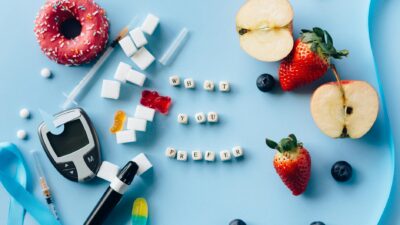
Foods that spike insulin the most are refined carbohydrates (white bread, white rice, instant potatoes, cornflakes), sugary drinks and desserts, and sometimes foods that surprise people: skim milk, whey protein isolate, and lean beef. Insulin responds to carbohydrates, but also to protein and the gut hormones released by fast-digesting meals. Understanding which foods spike insulin helps you flatten the daily curve, reduce hunger, and protect insulin sensitivity.
Why Insulin Spikes Matter
Insulin is the hormone that moves glucose out of the blood into muscles, liver, and fat cells. Short, modest insulin rises after meals are normal and healthy. Repeated high insulin spikes contribute to:
- Insulin resistance: Cells get less responsive to frequent high signals, so the pancreas produces even more.
- Hunger cycles: Insulin crashes after a big spike, often triggering cravings 90 to 180 minutes later.
- Fat storage: High insulin blocks fat-burning and promotes storage.
- Progression to diabetes: Chronic hyperinsulinemia is a hallmark of prediabetes and metabolic syndrome.
The Insulin Index vs. the Glycemic Index
The glycemic index (GI) measures how much a food raises blood glucose. The insulin index (II), developed by Susanne Holt and colleagues at the University of Sydney in 1997, measures how much insulin the pancreas releases in response to a food. For most carb-rich foods the two line up, but for protein and dairy they diverge.
A classic study published in the American Journal of Clinical Nutrition compared 38 foods and found that some protein-rich and dairy foods produced insulin responses 20 to 50 percent higher than predicted by their carbohydrate content.
Top Foods That Spike Insulin
1. Refined Starches
White bread, bagels, instant rice, instant potatoes, rice cakes, pretzels, and crackers digest into glucose within minutes. Insulin index values for these range from 90 to 110 (where white bread is set to 100).
2. Sugary Drinks
Soda, fruit juice, sweet tea, sports drinks, and flavored coffee beverages deliver liquid sugar with no fiber, fat, or protein to slow absorption. A 20 oz soda can raise insulin three to four times above a comparable whole-food meal.
3. Candy, Pastries, and Desserts
Jelly beans hit an insulin index of 160, one of the highest ever recorded. Donuts, cake, and sweetened cereals combine refined flour with sugar for maximum insulin response.
4. Breakfast Cereals
Cornflakes (GI 81, II 75), puffed rice (GI 87), and most kids’ cereals spike insulin sharply, especially with milk.
5. White Potatoes
Boiled white potatoes have a GI around 78 and II around 88. Mashed and instant potatoes spike even higher.
6. Dairy
Milk and yogurt can produce a surprisingly large insulin response, especially skim milk (II 90+) and flavored yogurt. This seems to be driven by branched-chain amino acids and whey. That said, dairy does not raise blood glucose much; and long-term studies do not link moderate dairy intake with higher diabetes risk.
7. Whey Protein Isolate
Pure whey, especially in shakes, produces a strong insulin response despite minimal carbs. For someone building muscle this is fine or even helpful. For someone focused on flattening insulin, whey concentrate with fat, fiber, and slower protein mixtures is preferable.
8. Lean Beef and Fish
Protein raises insulin modestly even without carbs. Beef scores around 51 on the insulin index. This is still far below bread but higher than most people expect.
9. Sweetened Nut Butters and Granolas
Added sugar turns otherwise neutral foods into insulin spikes. Check labels.
10. Dried Fruit
Raisins, dates, and mangoes are concentrated sugar sources. Two tablespoons can match the carbs of a whole fresh apple.
Insulin Index Quick Reference
| Food | Approx. Insulin Index (white bread = 100) |
|---|---|
| Jelly beans | 160 |
| White bread | 100 |
| Cornflakes | 75 |
| Potatoes (boiled) | 88 |
| Skim milk | 90 |
| Yogurt (flavored) | 84 |
| Pasta (white) | 40 |
| Beef | 51 |
| Eggs | 31 |
| Peanuts | 20 |
| Cheese | 45 |
| Lentils | 58 |
| Apples | 59 |
Smarter Swaps
- White bread → sourdough or seeded whole-grain bread
- Cornflakes → steel-cut oats with nuts
- White rice → lentils, chickpeas, or barley
- Fruit juice → whole fruit with nut butter
- Sweetened yogurt → plain Greek yogurt with berries
- Mashed potatoes → mashed cauliflower or roasted sweet potato
- Sugary lattes → plain coffee with a splash of milk
Meal Composition Rules That Flatten Insulin
- Fill half your plate with non-starchy vegetables.
- Include 20 to 30 g of protein per meal.
- Add one to two tablespoons of healthy fat (avocado, olive oil, nuts).
- Keep refined carbs under 30 g per meal; favor intact whole grains or legumes.
- Eat vegetables and protein before starch.
- Walk 10 to 15 minutes after eating.
When to Ask Your Clinician
If you have symptoms of frequent hunger, afternoon crashes, stubborn weight gain around the middle, or a family history of type 2 diabetes, ask about fasting insulin, HOMA-IR, or a two-hour oral glucose tolerance test. Combined with your A1C levels, these can reveal insulin resistance even when glucose looks normal. Explore food strategies on our diet and nutrition hub.
The Bottom Line
The foods that spike insulin most are refined carbs, sugary drinks, and some surprisingly high-ranking items like skim milk and jelly beans. Protein raises insulin modestly; fat barely raises it at all. Build meals around vegetables, legumes, fish, eggs, and healthy fats to keep insulin steady, reduce hunger, and protect long-term metabolic health.
Medical disclaimer: This article is for educational purposes only and is not a substitute for professional medical advice, diagnosis, or treatment. Always consult your physician or registered dietitian with questions about dietary changes.