Freekeh (also spelled farik or frik) is young green wheat harvested while still green, then roasted (often over open fires) and rubbed to remove chaff – traditional Middle Eastern and North African food (Egypt, Lebanon, Syria, Jordan, Palestine, Tunisia). The early-harvest, roasting process gives distinctive smoky flavor and preserves more nutrients than mature wheat. CONTAINS GLUTEN – NOT safe for celiac disease or wheat allergy. Per ½ cup cooked (~110 g) – 110 calories, 21 g carbohydrate, 4 g fiber (net 17 g), 5 g protein, 1 g fat. Higher protein and fiber than mature wheat; more iron, zinc, calcium. Glycemic index 43 – LOW; lower than most other grains including brown rice (66) and modern wheat (70-75). Benefits – lowest GI among wheat-based grains; high fiber; high protein; minerals; antioxidants from roasting process; satiating; growing availability in U.S. Concerns – contains gluten; less widely available than rice/wheat; cost more expensive; smoky flavor not for everyone. Versatile Middle Eastern grain – whole-grain cook (1 cup freekeh to 2½ cups water/broth, simmer 20-25 minutes); cracked freekeh (faster cooking, 15 minutes; more common in U.S.); whole-grain freekeh (longer cook, chewier, more traditional); Middle Eastern dishes (freekeh with chicken, maftoul, shorbat freekeh, freekeh pilaf, freekeh stuffed grape leaves); salad (cool cooked freekeh; mix with vegetables, herbs – mint, parsley – feta, lemon vinaigrette); bowl meal (freekeh base, grilled chicken/lamb, vegetables, tahini drizzle); stuffed peppers, eggplant, zucchini; soup additions; risotto-style; breakfast porridge with cinnamon and berries; Buddha bowls; cracked freekeh tabbouleh substitute for bulgur. Multiple structural factors give freekeh low GI – early harvest (higher amylose content, more resistant starch); roasting process alters starch structure; high fiber content slows glucose absorption; high protein content further slows digestion; less processed than typical wheat products; whole-grain structure preserved. Combined effect – GI 43 (low), significantly lower than mature wheat (70-75), brown rice (66), even some “healthy” grains. Compared to other wheat-based grains – freekeh GI 43, farro 45, bulgur 48, spelt 54-65, whole wheat 65-75, white wheat 73.
Freekeh Nutrition (½ cup cooked)
| Nutrient | Amount |
|---|---|
| Calories | 110 |
| Carbohydrate | 21 g |
| Fiber | 4 g |
| Net carbs | 17 g |
| Protein | 5 g |
| Fat | 1 g |
| Iron | 2 mg (10% DV) |
| Zinc | 1.5 mg (10% DV) |
| Magnesium | 40 mg (10% DV) |
| GI | 43 (LOW) |
Glycemic Index Comparison
| Grain | GI |
|---|---|
| Freekeh | 43 (LOW) |
| Farro | 45 |
| Bulgur | 48 |
| Quinoa | 53 |
| Spelt | 54-65 |
| Brown rice | 66 |
| Whole wheat | 65-75 |
| White rice | 73 |
Diabetes-Friendly Applications
- Freekeh with chicken (traditional Middle Eastern comfort food).
- Maftoul-style with grilled lamb and vegetables.
- Shorbat freekeh (freekeh soup with lamb or chicken).
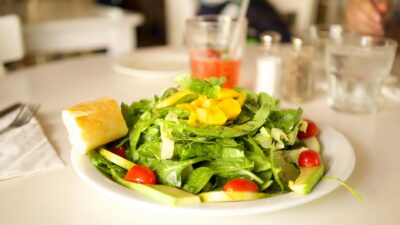
- Freekeh salad with cucumber, tomato, mint, feta, lemon.
- Mediterranean bowl – freekeh base + grilled chicken + tahini + vegetables.
- Stuffed peppers with freekeh and ground lamb/beef.
- Freekeh pilaf with mushrooms and herbs.
- Vegetable freekeh casserole.
- Buddha bowl with freekeh, vegetables, chickpeas, tahini.
- Hot breakfast porridge with cinnamon and almonds.
- Cracked freekeh tabbouleh (substitute for bulgur).
- Freekeh risotto-style with mushrooms and parmesan.
- Roasted vegetable and freekeh salad with lemon vinaigrette.
Cooking Method
- Whole-grain freekeh: 1 cup grain to 2½ cups water/broth.
- Cracked freekeh: 1 cup grain to 2 cups water/broth.
- Bring to boil, reduce heat, cover.
- Whole-grain: simmer 20-25 minutes; let stand 10 minutes.
- Cracked: simmer 15 minutes; let stand 5 minutes.
- Toast freekeh briefly in dry pan first for enhanced flavor.
- Use broth instead of water for richer flavor.
- Slow cooker – 3-4 hours on low.
- Pressure cooker – 8-10 minutes high pressure.
- Texture: chewy, slightly nutty, smoky.
Freekeh vs Other Middle Eastern Grains
- Freekeh – young roasted green wheat; smoky; low GI.
- Bulgur – parboiled mature wheat; cracked; quick cook; moderate GI.
- Couscous – small pasta; not whole grain; high GI.
- Maftoul – Palestinian hand-rolled larger couscous.
- Farro – Italian ancient wheat; similar to freekeh.
- All contain gluten – not for celiac.
- Freekeh has lowest GI of these wheat-based grains.
- Substitute for rice in Middle Eastern dishes.
Where to Find Freekeh
- Middle Eastern grocery stores – widely available.
- Health food stores (Whole Foods, Sprouts) – growing availability.
- Online (Amazon, Bob’s Red Mill, specialty importers).
- Some mainstream grocers (specialty section).
- Most U.S. supermarkets carry cracked freekeh.
- Whole-grain freekeh at specialty stores.
- Cost: $4-8 per pound; more expensive than rice/wheat.
- Greenwheat Freekeh brand widely available.
The Bottom Line
Freekeh (also spelled farik or frik) is young green wheat harvested while still green, then roasted (often over open fires) and rubbed to remove chaff – traditional Middle Eastern and North African food (Egypt, Lebanon, Syria, Jordan, Palestine, Tunisia). The early-harvest, roasting process gives distinctive smoky flavor and preserves more nutrients than mature wheat. CONTAINS GLUTEN – NOT safe for celiac disease or wheat allergy. Per ½ cup cooked (~110 g) – 110 calories, 21 g carbohydrate, 4 g fiber (net 17 g), 5 g protein, 1 g fat. Higher protein and fiber than mature wheat; more iron, zinc, calcium. Glycemic index 43 – LOW; lower than most other grains including brown rice (66) and modern wheat (70-75). Benefits – lowest GI among wheat-based grains; high fiber; high protein; minerals; antioxidants from roasting process; satiating; growing availability in U.S. Concerns – contains gluten; less widely available than rice/wheat; cost more expensive; smoky flavor not for everyone. Versatile Middle Eastern grain – whole-grain cook (1 cup freekeh to 2½ cups water/broth, simmer 20-25 minutes; serve like rice); cracked freekeh (faster cooking 15 minutes; more common in U.S. markets); whole-grain freekeh (longer cook, chewier texture, more traditional); Middle Eastern dishes (freekeh with chicken, maftoul, shorbat freekeh, freekeh pilaf, freekeh stuffed grape leaves); salad (cool cooked freekeh; mix with vegetables, herbs – mint, parsley – feta, lemon vinaigrette); bowl meal (freekeh base, grilled chicken/lamb, vegetables, tahini drizzle); stuffed peppers, eggplant, zucchini; soup additions; risotto-style; breakfast porridge with cinnamon and berries; Buddha bowls; cracked freekeh tabbouleh substitute for bulgur. Multiple structural factors give freekeh low GI – early harvest (higher amylose content, more resistant starch); roasting process alters starch structure; high fiber content slows glucose absorption; high protein content further slows digestion; less processed than typical wheat products; whole-grain structure preserved. Combined effect – GI 43 (low). For diabetes meal planning – this lower GI is a meaningful advantage; ½ cup cooked freekeh produces smaller postprandial glucose spike than equivalent rice or pasta. Still requires portion control (it’s a grain, not a free food). Distinctive within Middle Eastern grain options – freekeh vs bulgur (bulgur parboiled mature wheat, lower nutrition; freekeh green wheat, more protein, fiber, lower GI, more flavorful); vs couscous (couscous small pasta, not whole grain, high GI); vs maftoul (Palestinian hand-rolled larger couscous); vs farro (very similar both ancient wheat); vs rice (freekeh lower GI, higher protein and fiber); vs barley (both lower GI; barley has beta-glucan; freekeh contains gluten). For diabetes-friendly Middle Eastern meals – freekeh is often best choice; substitute for rice in many dishes; combine with abundant vegetables and lean proteins. Available at Middle Eastern grocery stores, health food stores, online retailers; growing availability in mainstream grocers. Cost more expensive than rice/wheat ($4-8 per pound). For adults with type 2 diabetes (without celiac) – freekeh is one of the lowest-GI wheat-based grains and an excellent rice/pasta alternative; smoky flavor adds interest to meal planning; portion to ½ cup cooked paired with protein and vegetables. See our broader diabetes diet guide for context.