Yes, people with diabetes can eat fruit. The trick is portion control. A standard serving is about 15 grams of carbohydrate, which equals roughly one small piece of whole fruit, half a banana, or one cup of berries. Eat fruit in measured servings, pair with protein or fat, and skip the juice.
Why Fruit Belongs on a Diabetes Plate
Fruit gets unfairly demonized in diabetes conversations because it contains sugar. But whole fruit also delivers fiber, water, vitamin C, potassium, polyphenols, and prebiotics — all of which support metabolic health. According to the American Diabetes Association, multiple long-term studies show that whole fruit consumption is associated with a lower risk of developing type 2 diabetes, not higher.
The fiber in fruit slows the rate at which sugar enters the bloodstream. The water dilutes the sugar load. The polyphenols help insulin work better. Strip away those benefits — by juicing or drying — and the equation changes.
The 15-Gram Carb Serving Rule
Diabetes nutrition educators teach a simple framework: one “carb serving” equals 15 grams of carbohydrate. This makes meal planning predictable. Most adults with diabetes eat 1-2 servings of fruit per meal or snack, totaling 2-4 servings daily, depending on activity level and overall carb budget.
15-Gram Carb Portions for Common Fruits
Use this table to portion any fruit into a single 15g serving.
| Fruit | 15g Carb Portion | Glycemic Index |
|---|---|---|
| Strawberries | 1 ¼ cups sliced | 40 (low) |
| Blueberries | ¾ cup | 53 (low) |
| Raspberries | 1 cup | 32 (low) |
| Blackberries | 1 cup | 25 (low) |
| Cherries | 12 cherries | 22 (low) |
| Apple | 1 small (4 oz) | 36 (low) |
| Pear | 1 small | 38 (low) |
| Peach | 1 medium | 42 (low) |
| Plum | 2 small | 40 (low) |
| Orange | 1 medium | 43 (low) |
| Grapefruit | ½ large | 25 (low) |
| Banana | ½ medium | 51 (low-medium) |
| Grapes | 15 grapes (¾ cup) | 53 (low) |
| Kiwi | 1 large | 50 (low) |
| Mango | ½ cup chunks | 51 (low-medium) |
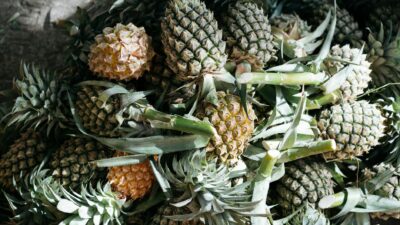
| Pineapple | ¾ cup chunks | 59 (medium) |
| Watermelon | 1 ¼ cups cubed | 72 (high, but low load) |
| Cantaloupe | 1 cup cubed | 65 (medium) |
| Honeydew | 1 cup cubed | 62 (medium) |
| Apricot | 4 fresh | 34 (low) |
| Raisins | 2 tablespoons | 64 (medium) |
| Dates | 2 medjool | 42 (low) but very dense |
| Figs (fresh) | 2 small | 50 (low) |
Best Fruits for Blood Sugar
Berries
Strawberries, blueberries, raspberries, and blackberries are the top tier. They have the most fiber per gram of carb, the highest antioxidant content, and the lowest glycemic impact. A full cup typically falls under 20 grams of carbs.
Stone fruits
Peaches, plums, nectarines, and apricots are excellent low-GI choices with portable serving sizes (one piece equals roughly one serving).
Citrus
Oranges, grapefruit, and clementines deliver vitamin C and fiber. Eat the whole fruit, not the juice — a glass of orange juice contains the sugar of three to four oranges with none of the fiber.
Apples and pears
Both contain pectin, a soluble fiber linked to improved fasting glucose. Choose smaller fruits or eat half at a sitting.
Fruits That Need Smaller Portions
Tropical fruits
Mango, pineapple, papaya, and ripe banana have higher sugar concentrations. They are not forbidden, but the 15g serving is small (half a banana, three-quarter cup pineapple chunks).
Watermelon
Has a high glycemic index, but because it is mostly water, the actual glycemic load per cup is modest. Stick to about a cup at a time.
Dried fruit
Two tablespoons of raisins, two medjool dates, or three apricot halves equal one serving. The water has been removed, so sugar is concentrated.
Fruit juice
The ADA recommends limiting or avoiding fruit juice. A 6-ounce glass of orange juice is about 22 grams of sugar with almost no fiber — closer to soda than to whole fruit in glycemic impact.
How to Eat Fruit Without a Spike
- Pair with protein or fat: An apple with peanut butter, berries with Greek yogurt, or pear slices with cheese slow sugar absorption dramatically.
- Eat at the end of a meal, not on an empty stomach. Other foods buffer the glucose response.
- Choose whole over processed: Whole apple beats applesauce; applesauce beats apple juice.
- Watch the ripeness: A green-tipped banana spikes glucose less than a fully yellow one.
- Stay cold and crunchy when possible: Cooking softens fruit and can raise its glycemic impact.
Sample Daily Fruit Intake
| Time | Fruit | Pairing | Total Carbs |
|---|---|---|---|
| Breakfast | ½ cup blueberries | Greek yogurt + walnuts | ~10g from fruit |
| Snack | 1 small apple | 1 tbsp peanut butter | ~15g |
| Dessert | 1 cup strawberries | Plain whipped cream | ~12g |
What the Research Shows
A 2017 meta-analysis in PLOS Medicine, citing data from over 500,000 adults, found that higher whole-fruit consumption was associated with a 12% lower risk of type 2 diabetes. Conversely, fruit juice was associated with a 7% higher risk per daily serving. The take-home: it is not the fruit that is the problem — it is the form.
The Bottom Line
Fruit is one of the most misunderstood foods in diabetes nutrition. Whole fruit, eaten in measured 15-gram carb portions and paired with protein or fat, supports rather than threatens blood sugar control. Berries, stone fruits, and apples are the easiest wins; tropical fruits and dried fruits need smaller servings; juice should largely be skipped. For deeper guidance on building meals around these foods, see our complete fruits-for-diabetics breakdown, the healthiest fruits ranking, and the prediabetes diet guide.