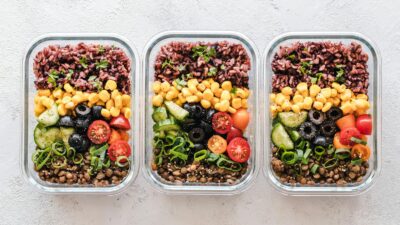
Reducing sugar starts with a simple sequence: replace sugary drinks, learn to read added-sugar lines on food labels, hunt down hidden sugars in unexpected places, and swap sweet cravings for satisfying alternatives. Done consistently, most people see results — fewer cravings, steadier energy, lower weight — within 3-4 weeks.
Why Reducing Sugar Matters
The average American adult consumes about 17 teaspoons (68 grams) of added sugar per day — nearly triple the limit recommended by the American Heart Association. Excess added sugar is linked to obesity, type 2 diabetes, fatty liver disease, heart disease, and dental decay. Reducing intake also tends to lower triglycerides and improve insulin sensitivity within weeks.
Set a Personal Sugar Limit
| Group | AHA daily limit | Equivalent |
|---|---|---|
| Adult women | 25 g (100 cal) | 6 teaspoons |
| Adult men | 36 g (150 cal) | 9 teaspoons |
| Children 2-18 | Under 25 g | Under 6 teaspoons |
| Children under 2 | 0 g added sugar | None recommended |
For context, a 12-oz can of regular soda contains 39 grams of sugar — over a full day’s allowance for women in a single drink.
Step 1: Swap the Sodas
Sugary beverages are the largest source of added sugar in the US diet, contributing about 24% of all added sugar consumed. They are also the easiest to fix because they offer almost no nutritional value to replace.
- Soda -> Sparkling water with citrus or berries
- Sweet tea -> Cold-brewed unsweetened tea
- Fruit juice -> Whole fruit + water
- Sweetened coffee -> Coffee with cinnamon and a splash of milk
- Sports drinks -> Water; reserve sports drinks for workouts over 60 minutes
- Energy drinks -> Black coffee or matcha
Step 2: Read the Nutrition Facts Label
The FDA-required Nutrition Facts label now lists “Added Sugars” under “Total Sugars.” This is the line that matters for your daily limit. Use these guidelines:
- Low added sugar: 5% Daily Value or less per serving
- High added sugar: 20% DV or more per serving
Always check serving size — many bottled drinks list 2-3 servings per container.
Common Hidden-Sugar Culprits
| Food | Typical added sugar per serving |
|---|---|
| Flavored yogurt (6 oz) | 15-25 g |
| Granola bar | 8-15 g |
| Pasta sauce (1/2 cup) | 6-12 g |
| Barbecue sauce (2 tbsp) | 10-13 g |
| Ketchup (1 tbsp) | 4 g |
| Salad dressing (2 tbsp) | 4-7 g |
| Breakfast cereal (1 cup) | 9-20 g |
| Plant milks, sweetened (1 cup) | 7-15 g |
| Protein bar | 8-20 g |
Step 3: Decode the 60+ Names for Sugar
Manufacturers list sugar by many names so it appears further down the ingredient list. Watch for:
- Anything ending in “-ose”: dextrose, fructose, glucose, lactose, maltose, sucrose
- Syrups: corn syrup, high-fructose corn syrup, brown rice syrup, malt syrup, agave nectar, maple syrup
- “Juice” terms: cane juice, evaporated cane juice, fruit juice concentrate
- “Natural” sweeteners: honey, molasses, treacle, sorghum, date sugar, coconut sugar
- Less obvious: dextrin, maltodextrin, panela, demerara, turbinado, muscovado
If three or more of these appear in the first half of an ingredient list, the product is sugar-heavy.
Step 4: Satisfy Sweet Cravings Naturally
- Berries with whipped cottage cheese — 8 g sugar, 15 g protein
- Apple slices with almond butter and cinnamon
- Frozen grapes — they eat like candy
- One square of 85% dark chocolate — 1 g sugar
- Greek yogurt + 1 tsp honey + walnuts
- Roasted sweet potato wedges with cinnamon
- Banana “nice cream” — frozen banana blended with cocoa
Step 5: Build a 30-Day Reduction Plan
| Week | Focus |
|---|---|
| 1 | Cut all sugary drinks. Drink water, unsweetened tea, or coffee only. |
| 2 | Audit breakfast — replace sugary cereals, flavored yogurts, and pastries. |
| 3 | Read every label you buy. Aim for less than 5 g added sugar per serving. |
| 4 | Eliminate dessert except 1-2 planned treats per week. Reassess cravings. |
What to Expect Physically
Days 1-3 are usually the hardest. Possible side effects include headaches, irritability, fatigue, and intense cravings — sometimes called “sugar withdrawal.” Drink water, prioritize sleep, eat regular protein-rich meals, and the symptoms typically pass by day 5.
By week 3-4, most people report:
- Stable energy without afternoon crashes
- Reduced cravings — fruit tastes much sweeter
- Better sleep
- 2-5 lb weight loss without calorie counting
- Lower fasting blood sugar
Going Further
For deeper guidance, see our complete sugar-free diet guide and our stricter no-sugar diet protocol. If you have prediabetes, pairing sugar reduction with the broader prediabetes diet framework gives the best results.
The Bottom Line
Reducing sugar does not require willpower theatrics — it requires a sequence. Eliminate sugary drinks, learn to read labels, hunt the 60+ hidden names, and replace cravings with whole-food alternatives. Within four weeks, your taste buds, energy, and blood sugar all reset. The result is sustainable: you stop wanting what you used to crave.