A sugar-free diet targets added sugars — sucrose, high-fructose corn syrup, honey, agave, and the dozens of names sugar hides under on labels. It does not eliminate the natural sugar in whole fruit, vegetables, or plain dairy. The goal is to bring added-sugar intake under 25 g/day (women) or 36 g/day (men), per the American Heart Association. Most Americans currently exceed 70 g per day.
Why “Sugar-Free” Means Cutting Added Sugar
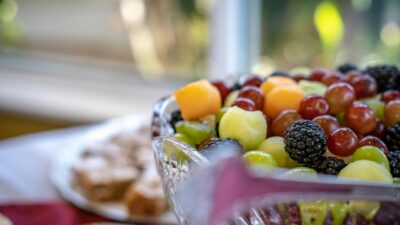
Natural sugars in whole fruit come bundled with fiber, water, vitamins, and antioxidants that slow absorption and protect against blood-sugar spikes. Added sugars — those poured into processed foods during manufacturing or cooking — deliver glucose with no other nutrition. The metabolic damage from chronic high added-sugar intake is what drives weight gain, fatty liver, insulin resistance, and elevated triglycerides.
For an even stricter version that eliminates all forms of free sugar, see our companion guide on a no-sugar diet.
Daily Limits
| Authority | Recommended Limit |
|---|---|
| American Heart Association — women | Less than 25 g (6 tsp) added sugar/day |
| American Heart Association — men | Less than 36 g (9 tsp) added sugar/day |
| WHO — strong recommendation | Less than 10% of total calories |
| WHO — conditional recommendation | Less than 5% of total calories (about 25 g) |
| USDA Dietary Guidelines | Less than 10% of total calories |
The 60+ Names for Added Sugar
Manufacturers split sugar across multiple ingredients to push it down the ingredient list. Watch for:
- Sucrose, glucose, fructose, dextrose, maltose, lactose
- High-fructose corn syrup (HFCS), corn syrup, corn syrup solids
- Cane sugar, cane juice, evaporated cane juice, raw sugar, turbinado, demerara
- Brown sugar, muscovado, panela
- Honey, agave nectar, maple syrup, molasses, brown rice syrup
- Fruit juice concentrate, date sugar, coconut sugar
- Anything ending in “-ose”
Hidden Sources of Added Sugar
| Food | Typical Added Sugar |
|---|---|
| Flavored yogurt (1 cup) | 15-20 g |
| Granola (1/4 cup) | 5-10 g |
| Pasta sauce (1/2 cup) | 8-12 g |
| Ketchup (1 tbsp) | 4 g |
| BBQ sauce (2 tbsp) | 10-15 g |
| Salad dressing (2 tbsp) | 2-7 g |
| Bread (1 slice) | 1-3 g |
| Breakfast cereal (1 cup) | 8-15 g |
| Granola bar (1) | 8-12 g |
| Sports drink (20 oz) | 34 g |
| Flavored coffee drink (16 oz) | 30-60 g |
| Smoothie (16 oz, store-bought) | 40-60 g |
| Protein bar | 10-25 g |
What to Eat on a Sugar-Free Diet
Eat Freely
- All non-starchy vegetables
- Whole fruits (1-3 servings/day)
- Eggs, fish, poultry, lean meats
- Beans, lentils, chickpeas
- Nuts and seeds (unsweetened)
- Plain Greek yogurt, cottage cheese, kefir
- Whole grains: oats, quinoa, brown rice, barley, 100% whole wheat
- Healthy fats: olive oil, avocado, nut butters (no added sugar)
- Herbs, spices, vinegar, citrus, mustard
Limit or Avoid
- Sodas, sweet teas, sweetened lattes, sports drinks
- Fruit juice (even 100%)
- Candy, cookies, cake, pastries, ice cream
- Flavored yogurts and milks
- Sweetened breakfast cereals and granolas
- Sweetened condiments (ketchup, BBQ, teriyaki, sweet chili)
- Most packaged “energy” or “protein” bars
- Dried fruit (concentrated sugar)
Smart Swaps
| Instead Of | Try |
|---|---|
| Flavored yogurt | Plain Greek yogurt + fresh berries |
| Sweetened cereal | Steel-cut oats + cinnamon + walnuts |
| Soda | Sparkling water + lemon or lime |
| Fruit juice | Whole fruit + glass of water |
| Granola bar | Apple + 1 tbsp natural peanut butter |
| Bottled pasta sauce | Crushed tomatoes + garlic + herbs |
| Flavored latte | Coffee + cinnamon + splash of milk |
| Ketchup | Mustard, salsa, or hot sauce |
| Ice cream | Frozen banana blended with cocoa |
| Candy | Square of 85%+ dark chocolate |
Sample Sugar-Free Day
Breakfast: 2 eggs scrambled in olive oil, half an avocado, 1/2 cup berries, black coffee.
Lunch: Large salad with grilled chicken, mixed greens, cucumber, tomatoes, olive oil and red wine vinegar, 1/4 cup chickpeas.
Snack: Plain Greek yogurt with cinnamon and chopped walnuts.
Dinner: 4 oz baked salmon, 1/2 cup quinoa, roasted broccoli with garlic and lemon, sparkling water.
Dessert (if desired): Small apple with 1 tbsp almond butter or one square of 85% dark chocolate.
Total added sugar: ~0-2 g. Total natural sugar from fruit and dairy: roughly 25-30 g — well within healthy limits.
Realistic Expectations
- Week 1-2: Cravings peak, then ease. Some people experience headaches or low mood for 3-5 days as their palate readjusts.
- Week 3-4: Energy stabilizes. Foods you used to find barely sweet (plain yogurt, berries, almonds) start tasting noticeably sweet again.
- Month 2-3: Blood sugar, triglycerides, and weight typically improve. A1C drops 0.3-0.5% on average when added sugar is significantly cut.
- Long term: The diet works only if you can sustain it. Allowing whole fruit and occasional planned treats prevents the rebound that all-or-nothing approaches cause.
What About Sugar Substitutes?
Non-nutritive sweeteners (stevia, monk fruit, sucralose, aspartame, erythritol, allulose) provide sweetness without raising blood glucose. They are safe for most adults at typical intake levels, but heavy reliance can perpetuate sweet cravings. Use them as a transition tool, not a permanent replacement.
Combine a sugar-free approach with the broader principles in our prediabetes diet guide for the strongest blood-sugar results.
According to the American Heart Association, the average American consumes about 17 teaspoons (71 g) of added sugar daily — roughly 2-3 times the recommended limit.
The Bottom Line
A sugar-free diet is really a “low added-sugar” diet. Whole fruit and plain dairy stay; sodas, sweet condiments, baked goods, and flavored everything go. Read labels, watch for sugar’s many aliases, and aim for under 25-36 g of added sugar per day. The first two weeks are the hardest. After that, your taste buds reset, energy steadies, and lab results follow.