GLP supplements are dietary products marketed as natural ways to stimulate the body’s own GLP-1 hormone release. The best-evidence options are berberine (500 mg three times daily), high-fiber foods (psyllium, inulin), protein, and apple cider vinegar. These produce modest improvements in glucose, appetite, and weight — roughly 3 to 5 percent body weight loss and 0.3 to 0.8 percentage points of A1C reduction. They are not equivalent to prescription GLP-1 receptor agonists, which produce 10 to 20 percent weight loss at labeled doses.
How GLP-1 Works Naturally
Glucagon-like peptide-1 (GLP-1) is an intestinal hormone released by L-cells in the distal small intestine and colon in response to food arriving in the gut. Its effects include:
- Stimulating insulin release from the pancreas (glucose-dependent)
- Suppressing glucagon release
- Slowing gastric emptying
- Increasing satiety in the brain
- Improving beta-cell function long-term
Natural GLP-1 has a short half-life (1 to 2 minutes) because it is rapidly broken down by the enzyme DPP-4. Prescription GLP-1 drugs (semaglutide, tirzepatide, liraglutide) are designed to resist DPP-4 breakdown, lasting days to a week instead of minutes.
Evidence-Ranked Supplement Options
| Supplement | Evidence | Typical Dose | Expected A1C Effect |
|---|---|---|---|
| Berberine | Multiple RCTs | 500 mg 3×/day with meals | −0.5 to −1.0% |
| Psyllium husk | Multiple RCTs | 6–10 g/day | −0.3 to −0.5% |
| Inulin / chicory root fiber | RCTs | 10–20 g/day | −0.2 to −0.5% |
| Apple cider vinegar | Small RCTs | 1–2 tbsp before meals | −0.2 to −0.4% |
| Protein (whey or general) | Consistent | 20–30 g per meal | Indirect via satiety |
| Resistant starch | Emerging | 20 g/day | −0.2 to −0.4% |
| Cinnamon (Ceylon) | Mixed small trials | 1–3 g/day | −0.1 to −0.3% |
| Chromium picolinate | Weak/mixed | 200–400 μg/day | ~0 |
| Bitter melon | Weak | 500 mg–2 g/day | ~0 to −0.2% |
| Green tea extract (EGCG) | Weak | 300–500 mg/day | ~0 |
Berberine — The Leading Option
Berberine is an alkaloid extracted from Berberis plants. Its mechanisms include AMPK activation (similar to metformin), improved insulin signaling, and partial GLP-1 stimulation. Evidence:
- Multiple small RCTs showing 0.5 to 1.0 percentage point reductions in A1C
- Modest weight loss of 3 to 5 percent over 12 weeks
- LDL and triglyceride reductions
Practical dosing: 500 mg with each of three meals. Start at 500 mg daily for 1 week to assess tolerance, then build up. Common side effects are GI upset, constipation, and diarrhea. Avoid during pregnancy. Interactions with statins, some antihypertensives, and cyclosporine.
Fiber — The Most Reliable Whole-Diet Approach
Soluble and fermentable fibers reach the colon intact, where gut bacteria ferment them into short-chain fatty acids (SCFAs) that stimulate L-cell GLP-1 release. The best sources:
- Psyllium husk (Metamucil, Konsyl)
- Inulin (chicory root, Jerusalem artichoke)
- Beta-glucan (oats, barley)
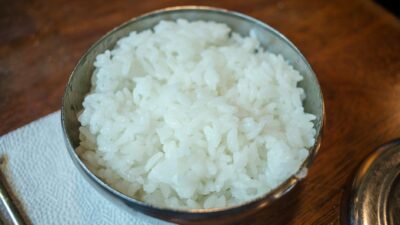
- Resistant starch (cooled rice, green bananas, potatoes)
- Legumes (beans, lentils, chickpeas)
Target 30 to 40 grams total daily fiber, with at least 10 to 15 grams from soluble sources. Build up gradually over 2 to 4 weeks — sudden increases cause bloating and gas.
Apple Cider Vinegar
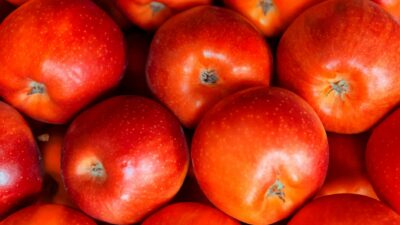
1 to 2 tablespoons diluted in water before meals reduces post-meal glucose peaks by 20 to 30 percent in small studies. Mechanism likely involves slower gastric emptying. Not a major intervention but an easy habit with minimal risk. Dilute to protect tooth enamel; rinse mouth after.
Protein at Meals
Protein intake of 20 to 30 grams per meal stimulates GLP-1 and reduces appetite for hours afterward. Whey protein has the strongest short-term GLP-1 response, but mixed protein sources (eggs, yogurt, fish, poultry, legumes) all help.
What Supplement Marketing Gets Wrong
- Calling products “natural Ozempic” — they are not comparable in potency
- Blending 8 to 12 ingredients at sub-therapeutic doses — each contributes too little to matter
- Citing rodent studies as human evidence
- Claiming 20+ pound weight loss from a supplement alone — clinically implausible
- Attributing general weight loss to the supplement when subjects also reduced calories
- Using influencer endorsements without clinical trial citations
How to Build a Reasonable GLP-Supportive Routine
- Protein 20 to 30 grams per meal
- Fiber total 30 to 40 grams daily, half soluble
- 1 tablespoon apple cider vinegar diluted in water before the largest meal
- Consider berberine 500 mg three times daily (with clinician oversight)
- Physical activity — even a 10-minute post-meal walk increases GLP-1 briefly and lowers post-meal glucose
- Reduce refined carb and sugar-sweetened beverages — these suppress satiety signaling
- Adequate sleep (7 hours) — poor sleep blunts GLP-1 response
When Supplements Are Not Enough
- A1C above 6.5 percent not responding after 3 months of lifestyle plus supplements
- BMI above 30 with metabolic comorbidities
- Strong family history of diabetes
- Weight loss goals above 10 percent
- History of cardiovascular disease
In these situations, prescription GLP-1 therapy or other pharmacologic options are likely to produce faster and more durable results. Discuss with your clinician.
Related Reading
See our guides on diet-and-nutrition, treatment options, and prediabetes reversibility.
The Bottom Line
GLP supplements produce modest improvements in glucose and appetite — berberine, fiber, protein, and apple cider vinegar have the best evidence. They are not substitutes for prescription GLP-1 drugs when those are clinically indicated, but they can complement lifestyle change and provide a reasonable starting point for patients with mild insulin resistance or early prediabetes. Always discuss supplements with your clinician if you are on diabetes medications. Marketing claims like “natural Ozempic” or “GLP-1 booster stack” set unrealistic expectations — real supplements help a little, consistently, when combined with the bigger levers of nutrition and activity.