Glucose foods are foods that contain carbohydrates, which your body breaks down into glucose during digestion. The main glucose-providing food groups are grains, starchy vegetables, fruits, dairy, legumes, and sugars. How quickly a given food raises blood sugar depends on its fiber, fat, protein, and processing — not just how much carbohydrate it contains.
The Main Categories of Glucose Foods
| Category | Examples | Blood Sugar Impact |
|---|---|---|
| Refined sugars | Table sugar, honey, syrups, candy, soda | Fastest, highest spike |
| Refined grains | White bread, white rice, pastries, sugary cereals | Fast spike |
| Whole grains | Oats, quinoa, barley, whole-wheat bread | Moderate, slower rise |
| Starchy vegetables | Potatoes, corn, peas, sweet potatoes | Moderate to moderately fast |
| Fruits | Apples, berries, bananas, grapes, melon | Low to moderate (whole fruit) |
| Legumes | Lentils, beans, chickpeas | Low and slow |
| Dairy | Milk, yogurt (lactose) | Low to moderate |
| Non-starchy vegetables | Broccoli, leafy greens, peppers, cauliflower | Minimal |
Why Some Glucose Foods Spike Blood Sugar More Than Others
Two foods can have the same amount of carbohydrates but affect blood sugar very differently. The variables that matter most:
- Fiber: slows glucose absorption. A fiber-rich bean is very different from juice, even with similar carb counts.
- Protein and fat: pairing carbs with protein or fat blunts the glucose rise.
- Processing: milling, puffing, and grinding speed digestion. Steel-cut oats behave differently than instant oats.
- Cooking and cooling: cooked-and-cooled potatoes or rice contain more resistant starch.
- Ripeness: very ripe bananas release glucose faster than less ripe ones.
The glycemic index (GI) ranks foods 0–100 based on how fast they raise blood sugar compared with pure glucose. Glycemic load (GL) accounts for typical portion size and is often more useful. Watermelon has a high GI but a low GL because typical servings are mostly water.
Best Glucose Foods for Prediabetes and Diabetes
Low and Slow Carbs
- Legumes — black beans, lentils, chickpeas
- Non-starchy vegetables — leafy greens, broccoli, peppers
- Intact whole grains — steel-cut oats, quinoa, barley, farro
- Berries — strawberries, blueberries, raspberries
- Plain Greek yogurt and cottage cheese
- Apples, pears, citrus, stone fruit
- Nuts and seeds
Foods to Limit
- Sugary drinks — soda, sweet tea, sports drinks, fruit juice
- Candy, pastries, cookies, and most breakfast cereals
- White bread, white rice, and refined flour products
- Large portions of starchy foods eaten alone
- Dried fruit in large amounts
For more detail on balancing meals, see our prediabetes diet and nutrition guide.
How to Build Glucose-Friendly Meals
The Plate Method
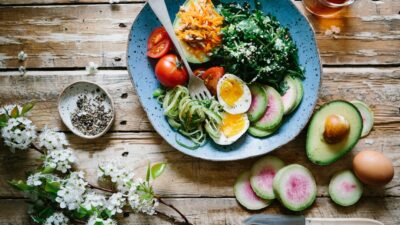
- Half the plate: non-starchy vegetables
- One quarter: lean protein
- One quarter: whole-grain or starchy carb
- Add a thumb of healthy fat (olive oil, avocado, nuts)
According to the American Diabetes Association, this framework works across cuisines and eliminates the need for gram-level carb counting for many people.
Eat Vegetables and Protein First
Research suggests eating vegetables and protein before starches can lower post-meal glucose by 20–40%. This is a simple strategy with no calorie cost.
Walk After Meals
A 10–20 minute walk after eating reduces the post-meal glucose peak in both prediabetes and type 2 diabetes.
Glucose Foods and Blood Sugar Targets
For people with prediabetes or diabetes, typical post-meal glucose goals are:
- Prediabetes: under 140 mg/dL two hours after eating
- Diabetes (ADA general guidance): under 180 mg/dL one to two hours after eating
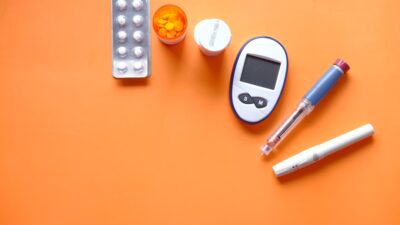
Using a home glucose meter or continuous glucose monitor after meals can reveal which specific foods raise your numbers more than expected — responses vary more from person to person than the glycemic index tables suggest.
Natural vs. Added Sugars
All sugars — whether natural (in fruit or dairy) or added (in soda, desserts, and sauces) — break down into glucose and fructose. But the packaging matters. Natural sugars come bundled with fiber, vitamins, and minerals; added sugars typically do not. The A1C benefit of cutting added sugars shows up within weeks in many people.
The Bottom Line
Glucose foods are simply foods that contain carbohydrates — and most of what we eat fits this category in some form. The goal for anyone managing prediabetes or diabetes is not to avoid carbs entirely but to choose them wisely. Prioritize fiber-rich whole foods like vegetables, legumes, intact whole grains, and whole fruits. Limit refined sugars, juice, and heavily processed starches. Pair carbs with protein, fat, and vegetables, and walk after meals. These habits keep blood sugar steady and make glucose foods a healthy part of daily eating.