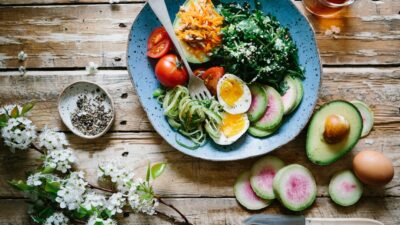
Insulin friendly foods are foods that produce a gentle blood sugar response and improve your body’s sensitivity to insulin over time. They share common traits: high fiber, intact plant structure, quality protein, healthy fats, and minimal processing. A diet built around these foods reduces insulin demand, lowers the risk of progression to type 2 diabetes, and helps people with prediabetes and diabetes maintain better glucose control.
The Top Insulin Friendly Food Groups
| Food Group | Examples | Why It Helps |
|---|---|---|
| Non-starchy vegetables | Broccoli, kale, spinach, peppers, cauliflower | Very low carb, high fiber, nutrient dense |
| Legumes | Lentils, chickpeas, black beans, kidney beans | Fiber + protein = slow glucose release |
| Nuts and seeds | Almonds, walnuts, chia, flax, pumpkin seeds | Healthy fats improve insulin sensitivity |
| Fatty fish | Salmon, sardines, mackerel, trout | Omega-3s reduce inflammation linked to insulin resistance |
| Berries | Blueberries, strawberries, raspberries | Polyphenols, fiber, lower sugar than tropical fruits |
| Intact whole grains | Steel-cut oats, quinoa, barley, farro | Slow digestion, high fiber |
| Extra-virgin olive oil | Finishing oil, salad dressings | Monounsaturated fat and polyphenols |
| Fermented dairy | Plain Greek yogurt, kefir, cottage cheese | Protein and probiotics |
Why These Foods Improve Insulin Sensitivity
Insulin resistance develops when cells — especially muscle and liver — stop responding efficiently to insulin’s signal to absorb glucose. Several food-related mechanisms help reverse this:
- Fiber feeds gut bacteria that produce short-chain fatty acids, which improve insulin signaling.
- Omega-3 fatty acids from fatty fish reduce chronic inflammation that drives insulin resistance.
- Polyphenols in berries, olive oil, tea, and cocoa support healthy glucose metabolism.
- Magnesium (leafy greens, nuts, seeds, legumes) is required for insulin signaling; low magnesium is linked to insulin resistance.
- Protein slows gastric emptying and blunts the glucose rise from carbs.
The Mediterranean Eating Pattern
If you wanted to pick one evidence-based eating style for insulin sensitivity, the Mediterranean diet has the strongest track record. The landmark PREDIMED trial found that a Mediterranean diet supplemented with extra-virgin olive oil or mixed nuts significantly reduced diabetes incidence and cardiovascular events. The core elements are vegetables, legumes, fish, olive oil, nuts, whole grains, and modest amounts of dairy and poultry, with limited red meat and sugar.
According to the American Diabetes Association, multiple eating patterns — Mediterranean, DASH, vegetarian, and low-carb — can all work for diabetes when built around minimally processed, fiber-rich foods.
A Sample Insulin Friendly Day
Breakfast
- Greek yogurt with blueberries, chia seeds, and a handful of walnuts
- Or: veggie omelet with spinach, peppers, and a slice of whole-grain toast
Lunch
- Large mixed salad with chickpeas, grilled salmon, avocado, olive oil and vinegar
- Or: lentil soup with a side of leafy greens
Snack
- Apple with almond butter
- Or: cottage cheese with cucumber slices
Dinner
- Baked chicken or tofu, roasted non-starchy vegetables, quinoa, olive oil drizzle
- Or: stir-fried tempeh with broccoli, peppers, and a small portion of brown rice
Foods That Hurt Insulin Sensitivity
- Sugar-sweetened beverages — soda, sweet tea, sports drinks, fruit juice
- Refined baked goods — white bread, pastries, crackers
- Sugary breakfast cereals
- Processed snacks with trans fats or large amounts of refined carbs
- Processed meats — consumption linked to higher type 2 diabetes risk
- Deep-fried foods
Beyond the Plate
Insulin friendly eating is a foundation, but three habits amplify the benefit:
- Move after meals: a 10–20 minute walk noticeably lowers post-meal glucose.
- Strength train 2–3 times a week: muscle is the main site of glucose disposal.
- Protect sleep: even one night of short sleep measurably impairs insulin sensitivity.
For a comprehensive approach, our prediabetes treatment guide and A1C levels guide walk through the full picture.
The Bottom Line
Insulin friendly foods are the quiet workhorses of blood sugar control: vegetables, legumes, nuts, fatty fish, berries, intact whole grains, and olive oil. Eaten together in a Mediterranean-style pattern, these foods reduce insulin demand, blunt post-meal spikes, and — over time — make cells more responsive to the insulin your body does produce. Combine them with portion awareness, post-meal walks, and regular movement, and you have a realistic strategy to improve insulin sensitivity whether you have prediabetes, diabetes, or are simply trying to stay ahead of it.