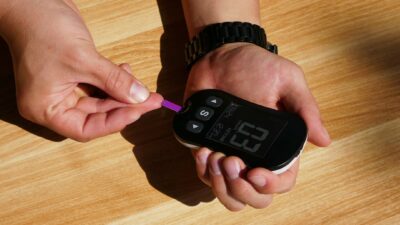
When blood sugar is high, the smartest foods are the ones that don’t add more glucose to the bloodstream: water, non-starchy vegetables, lean protein, healthy fats, and small amounts of high-fiber carbs. Avoid refined carbohydrates, sugary drinks, juice, and sweets until your reading returns to target. A short walk often helps more than any single food.
What Counts as “High Blood Sugar”
| Reading | Fasting | 2 Hours Post-Meal |
|---|---|---|
| Normal | Below 100 mg/dL | Below 140 mg/dL |
| Prediabetes | 100–125 mg/dL | 140–199 mg/dL |
| Diabetes | 126 mg/dL or higher | 200 mg/dL or higher |
| Hyperglycemia (diabetes) | Above 180 mg/dL post-meal | Above 180 mg/dL |
| Severe hyperglycemia | Above 240 mg/dL | Above 240 mg/dL |
What to Eat When Blood Sugar Is High
1. Drink Water
Before thinking about food, drink a full glass of water. High blood glucose pulls water into the bloodstream, and dehydration concentrates the sugar further. The CDC recommends plain water, unsweetened tea, or sparkling water while glucose is elevated.
2. Non-Starchy Vegetables
These have very little effect on blood sugar and are packed with fiber, water, and micronutrients.
- Leafy greens — spinach, kale, romaine, arugula
- Broccoli, cauliflower, Brussels sprouts
- Bell peppers, zucchini, cucumbers
- Asparagus, green beans, celery
- Tomatoes, mushrooms, onions
3. Lean Protein
Protein helps you feel full without raising blood glucose directly, and it slows the absorption of any carbs you do eat.
- Grilled chicken or turkey
- Fish — salmon, tuna, cod, sardines
- Eggs
- Tofu or tempeh
- Plain Greek yogurt or cottage cheese (modest portions)
4. Healthy Fats
Fats have minimal effect on blood glucose and help blunt the rise from meals.
- Avocado
- Olive oil
- Nuts and seeds (almonds, walnuts, chia, flax)
- Nut butters without added sugar
5. Modest Portions of High-Fiber Carbs
If you need some carbs, choose slower-digesting, fiber-rich options in small portions:
- Lentils or beans (1/3 to 1/2 cup)
- Berries (1/2 cup)
- Steel-cut oats or quinoa (1/3 cup)
- An apple or pear with the skin
What to Avoid When Blood Sugar Is High
- Sugar-sweetened drinks — soda, sweet tea, sports drinks, sweetened coffees
- Fruit juice, even “100% juice”
- Candy, pastries, cookies, and desserts
- White bread, white rice, and refined pasta
- Sugary breakfast cereals
- Dried fruit in large portions
- Tropical fruits in large portions — banana, pineapple, mango
- Alcohol on an empty stomach (can cause erratic glucose swings)
Non-Food Actions That Help Immediately
Walk for 10–20 Minutes
Muscle contraction pulls glucose out of the bloodstream independent of insulin. A short walk — if you feel well enough — is one of the fastest ways to lower high blood sugar.
Check for Ketones
If you have diabetes and your blood sugar is above 240 mg/dL, the Mayo Clinic recommends checking urine ketones. Moderate or high ketones point toward diabetic ketoacidosis and need urgent medical attention.
Take Your Medication as Prescribed
If you use insulin or oral diabetes medications, take them as directed. Don’t add extra insulin doses without your care team’s guidance — that’s a common path to hypoglycemia.
Sample High-Blood-Sugar Meal
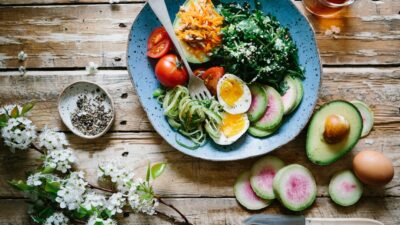
- Large green salad with mixed greens, cucumber, cherry tomatoes, peppers
- 4–5 ounces of grilled chicken or salmon
- 1/4 avocado, sliced
- Olive oil and lemon dressing
- 1/3 cup cooked lentils or a small handful of walnuts
- Water or unsweetened tea
This kind of meal delivers protein, fiber, healthy fat, and almost no refined carbs — exactly what a high blood sugar situation calls for.
Longer-Term Habits to Prevent High Blood Sugar
- Follow a consistent prediabetes-friendly eating pattern
- Walk 10–20 minutes after meals
- Aim for 150 minutes of moderate activity weekly plus strength training
- Maintain a healthy weight — even 5–7% weight loss substantially lowers fasting glucose
- Prioritize sleep (7–9 hours)
- Monitor your A1C regularly
- Review the prediabetes 101 guide for a full picture
When to Seek Medical Care
Call your doctor or seek urgent care if you have:
- Blood sugar above 240 mg/dL that doesn’t come down with fluids
- Moderate or high urine ketones
- Nausea, vomiting, or severe abdominal pain
- Fruity-smelling breath or rapid, deep breathing
- Confusion, extreme drowsiness, or loss of consciousness
- Signs of severe dehydration
The Bottom Line
When blood sugar is high, the winning plate is water, non-starchy vegetables, lean protein, and healthy fats, with minimal refined carbs or added sugar. A short walk is often the fastest non-food tool to bring glucose down. Severe or persistent hyperglycemia — especially with symptoms like vomiting, rapid breathing, or confusion — is a medical emergency. For long-term control, consistent habits, a Mediterranean-style eating pattern, and regular check-ins with your doctor will prevent most spikes before they start.