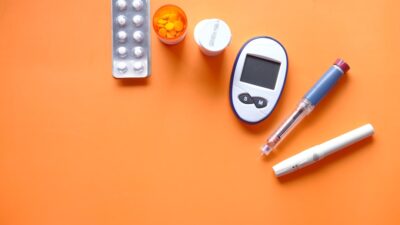
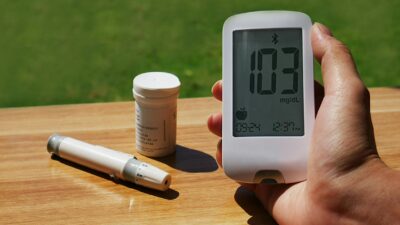
To get blood sugar down fast, drink water, walk for 10–30 minutes, and follow any medication plan your clinician has set. For lasting control, protein-forward meals, daily movement, sleep, and stress management matter most. Knowing how to get blood sugar down safely also means recognizing when numbers need medical attention.
Quick Fixes That Actually Work
When a reading comes back high, your first job is to avoid panic—and avoid stacking medication doses. Instead, run through a short, evidence-based checklist:
- Hydrate. 16–20 ounces of water helps kidneys flush excess glucose.
- Move. A brisk 10–30 minute walk can drop post-meal glucose by 20–50 mg/dL.
- Recheck in 60–90 minutes. Don’t chase numbers with correction doses unless your plan says to.
- Skip extra carbs. Delay your next snack until glucose trends down.
The CDC lists activity and hydration as first-line home strategies for mild hyperglycemia.
Glucose Thresholds: When to Worry
| Blood Glucose | Status | Action |
|---|---|---|
| Under 140 mg/dL 2 hrs post-meal | In target | Maintain habits |
| 140–180 mg/dL | Mildly elevated | Hydrate, walk, reassess |
| 180–240 mg/dL | High | Active intervention, monitor closely |
| Over 240 mg/dL with ketones | Urgent | Call clinician, check for DKA risk |
| Over 300 mg/dL with symptoms | Emergency | Seek urgent care |
Food Strategies for Lower Post-Meal Spikes
Sequence Matters
Eating vegetables and protein before carbs blunts the glucose curve. A 2015 Weill Cornell study found this order reduced post-meal spikes by roughly 37%. Practical swap: start with a salad or a few bites of chicken before the rice.
Fiber and Vinegar
Adding 1–2 tablespoons of vinegar to salads or a pre-meal glass of water has been shown to modestly lower post-meal glucose. Soluble fiber from beans, oats, and chia slows gastric emptying and smooths the curve.
Choose Carbs Wisely
Pair carbs with fat, protein, or fiber. Whole intact grains, legumes, and berries are gentler than juice, white bread, or sugary cereal. Our diet and nutrition hub offers sample meal frameworks built around this idea.
Movement: The Most Underused Tool
A brisk 10-minute walk after meals is one of the best-documented ways to lower post-meal glucose. Resistance training two to three times weekly improves insulin sensitivity over months. The American Diabetes Association recommends at least 150 minutes of moderate activity weekly plus two strength sessions.
If a full workout feels unrealistic, split it: 10 minutes after each meal equals 30 minutes a day, with bonus glucose-lowering effects because the timing matches when sugar peaks.
Sleep, Stress, and Hydration
Sleeping fewer than 6 hours or under chronic stress raises cortisol, which raises blood sugar. Two practical moves:
- Keep a consistent bedtime window (within 30 minutes nightly).
- Try a 5-minute breathing practice before meals or bed.
Hydration matters too: being even mildly dehydrated concentrates blood glucose. Aim for pale-yellow urine as a rough gauge.
Medications That Lower Blood Sugar
For people with prediabetes or type 2 diabetes, clinicians may prescribe metformin, GLP-1 receptor agonists, SGLT2 inhibitors, or insulin depending on the picture. Never adjust doses on your own. If you’re newly diagnosed, our treatment hub explains common options in plain language.
Long-Term Levers: A1C and Insulin Sensitivity
Getting a single reading down is easier than shifting A1C. The NIDDK notes that losing 5–7% of body weight and adding regular activity can cut the risk of progressing from prediabetes to type 2 diabetes by 58%. Track your A1C levels every three to six months to see the effect of your habits.
What Not to Do
- Skip “sugar detoxes” or extreme fasts—they often rebound.
- Don’t double up on rapid-acting insulin to chase numbers.
- Avoid sugar-free foods loaded with sugar alcohols that upset digestion.
- Don’t ignore patterns. One high reading is data; a trend is a signal.
The Bottom Line
Getting blood sugar down is part quick-fix and part long game. Water and walking handle the moment; food sequencing, movement, sleep, stress, and medication handle the trajectory. If readings stay over 240 mg/dL or symptoms appear, stop troubleshooting at home and call your clinician.
This article is educational and not a substitute for personalized medical advice. Always consult your healthcare provider about symptoms, testing, and treatment.