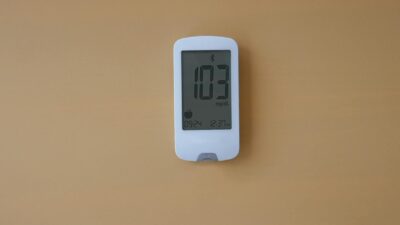
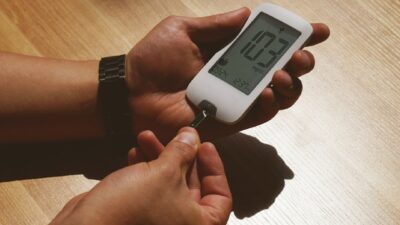
Yes, oatmeal can spike blood sugar, but whether it causes a small, manageable bump or a sharp glucose surge depends on the type of oats, the portion size, and what you mix in. Steel-cut and rolled oats usually fall in the diabetes-friendly range, while instant flavored packets can behave much like a bowl of sugary cereal.
How Oats Affect Blood Glucose
Oats are mostly complex carbohydrates, but they also contain a unique soluble fiber called beta-glucan. Beta-glucan forms a gel in the gut that slows gastric emptying and delays glucose absorption. That is why whole oats typically have a moderate glycemic index, while heavily processed oats, which have lost most of their fiber structure, digest quickly and raise glucose faster.
According to Harvard’s Nutrition Source, just three grams of beta-glucan per day can lower LDL cholesterol and blunt post-meal glucose rises.
Oatmeal Types Compared: Glycemic Impact
| Oat Type | Glycemic Index | Carbs per 1/2 cup dry | Typical Glucose Rise |
|---|---|---|---|
| Oat groats (whole) | ~50 | 26 g | Small, slow |
| Steel-cut oats | 53 | 27 g | Small to moderate |
| Old-fashioned rolled | 55 | 27 g | Moderate |
| Quick oats (plain) | 65 | 27 g | Moderate to high |
| Instant plain packet | 75 | 19 g | High, fast |
| Instant flavored (sugared) | 80+ | 32 g | Very high |
Why Instant Flavored Oatmeal Is a Problem
Flavored packets often pack 10 to 12 grams of added sugar, bringing total carbs close to what you would get from a can of soda. The fine grind also strips most of the intact fiber, so glucose rushes in within 30 to 45 minutes. People with prediabetes commonly see readings above 180 mg/dL after these breakfasts.
If the label shows more than 6 grams of added sugar or the ingredient list starts with anything but oats, skip it.
How to Build a Glucose-Steady Bowl
Pairing oats with protein, fat, and extra fiber flattens the blood-sugar curve substantially. A 2015 review in the Journal of Family Medicine and Primary Care found that adults with type 2 diabetes who ate oats with nuts and seeds lowered post-meal glucose by an average of 40 mg/dL compared with oats alone.
- Add 20 g protein: Two eggs on the side, a scoop of Greek yogurt, or collagen powder stirred in.
- Add healthy fat: One tablespoon of almond butter, chia seeds, ground flax, or walnuts.
- Add low-sugar fruit: Half a cup of berries instead of banana or dried fruit.
- Skip the sweeteners: Use cinnamon or vanilla extract instead of brown sugar or maple syrup.
- Use unsweetened milk: Water, unsweetened almond milk, or 2% dairy milk beats sweetened oat milk.
Portion Guidance for Prediabetes
The American Diabetes Association suggests keeping grain portions to roughly one-quarter of the plate. For oats, that usually means half a cup of dry oats per meal, yielding about 27 grams of carbs. Check your personal response with a two-hour post-meal test — anything under 140 mg/dL means your current bowl is working.
If you are watching A1C, building balanced breakfasts is one of the fastest ways to improve morning glucose trends over a three-month cycle.
Signs Oatmeal Is Spiking You Too Hard
- Two-hour post-breakfast glucose over 180 mg/dL consistently
- Afternoon crashes with shakiness or hunger around 11 a.m.
- Headache or brain fog 60 to 90 minutes after eating
- Rising fasting readings despite stable weight
If you notice these patterns, try a smaller portion, switch to steel-cut, or move to a higher-protein breakfast for a week and compare.
Timing and Cooking Tips That Matter
Small prep choices can shift the glycemic impact of the same oats. Cooking steel-cut oats al dente instead of mushy keeps more resistant starch intact, which ferments slowly in the gut rather than converting rapidly to glucose. Letting cooked oats cool for a few minutes before eating — or eating overnight oats straight from the fridge — increases resistant starch further and lowers the spike by 15 to 25 percent compared with piping-hot oats.
Eating oatmeal earlier in the day is also typically better than late at night, since insulin sensitivity is higher in the morning for most people. If your fasting glucose is already elevated, a savory, protein-forward breakfast may serve you better than any oatmeal variation. Experiment for a week with consistent portions and toppings to see how your own body responds.
Oatmeal Alternatives Worth Considering
If oatmeal consistently spikes your glucose even with these tweaks, several lower-carb substitutes provide similar texture and satiety:
- Chia pudding: 11 g carbs and 10 g fiber per quarter cup of chia seeds
- Flax and hemp porridge: Warm ground flax with hemp hearts and unsweetened almond milk
- Greek yogurt bowl: Plain, full-fat, topped with nuts and berries
- Egg-based scrambles: Classic protein breakfast that holds glucose flat
- Cottage cheese: High protein, low carb, surprisingly versatile
The Bottom Line
Oatmeal can be a smart choice for managing blood sugar when you pick whole or steel-cut oats, watch your portion, and pair them with protein and fat. Skip flavored instant packets, which behave more like dessert than breakfast. Use a glucose meter for a week to dial in the bowl that fits your body, and talk with your doctor if mornings remain a struggle.
Medical disclaimer: This article is for educational purposes only and is not a substitute for professional medical advice. Always consult your doctor before changing your diet or treatment plan.