Yes, caffeine can raise blood sugar, especially in people with prediabetes or diabetes. A 200 to 400 mg dose (roughly two to four cups of coffee) often nudges glucose up 5 to 15 mg/dL by triggering stress hormones that push the liver to release stored sugar.
How Caffeine Affects Glucose
Caffeine blocks adenosine receptors, which tells the adrenal glands to release epinephrine and cortisol. These stress hormones instruct the liver to dump stored glucose (glycogen) into the bloodstream and tell muscle cells to resist insulin temporarily. In people with healthy insulin sensitivity, the body quickly corrects the swing. In those with insulin resistance, the extra glucose hangs around longer.
A landmark 2008 study in Diabetes Care found that people with type 2 diabetes who consumed 500 mg of caffeine across a day had post-meal glucose readings 8 percent higher than on caffeine-free days.
Coffee vs. Other Caffeine Sources
| Drink | Typical Caffeine | Carbs (Plain) | Expected Glucose Rise |
|---|---|---|---|
| Black coffee, 8 oz | 95 mg | 0 g | 3-8 mg/dL |
| Espresso, 1 oz | 64 mg | 0 g | 2-5 mg/dL |
| Green tea, 8 oz | 30-50 mg | 0 g | 1-3 mg/dL |
| Black tea, 8 oz | 47 mg | 0 g | 2-4 mg/dL |
| Cola, 12 oz | 34 mg | 39 g | 40-60 mg/dL |
| Energy drink, 16 oz | 160 mg | 54 g | 60-90 mg/dL |
| Sweetened latte, 12 oz | 75 mg | 35 g | 40-70 mg/dL |
Most of the glucose impact in flavored drinks comes from added sugar, not caffeine itself. A plain cup of coffee is usually a minor bump.
Who Is Most Affected?
Caffeine sensitivity to glucose varies widely. You are more likely to see a noticeable rise if you:
- Have diagnosed prediabetes or type 2 diabetes
- Are not a habitual coffee drinker (occasional users show bigger spikes)
- Have high morning cortisol or a stressful lifestyle
- Drink caffeine on an empty stomach
- Combine caffeine with poor sleep, which already raises insulin resistance
Regular coffee drinkers may build partial tolerance to the glucose effect over weeks, though the cortisol impact often remains.
The Paradox: Coffee and Diabetes Risk
Interestingly, long-term observational studies suggest drinkers of three to four cups of coffee daily have a 20 to 25 percent lower risk of developing type 2 diabetes in the first place. The likely reason is that coffee is loaded with chlorogenic acid, magnesium, and other antioxidants that improve insulin sensitivity over time. The American Diabetes Association considers unsweetened coffee an acceptable beverage for most people with diabetes.
The short-term glucose bump and the long-term risk reduction are not contradictory — they reflect different mechanisms. What matters is whether your personal glucose response fits within your targets.
Smart Coffee Habits for Better Glucose
- Cap caffeine at 400 mg per day. The FDA calls this the safe upper limit for most adults.
- Drink black or with minimal additions. A splash of unsweetened milk is fine; flavored syrups and whipped cream are not.
- Pair with breakfast. A small meal buffers the glucose response and lowers the cortisol spike.
- Stop caffeine by 2 p.m. Late caffeine disrupts sleep, and poor sleep worsens insulin resistance, raising the next day’s fasting glucose.
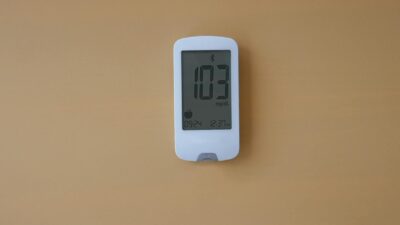
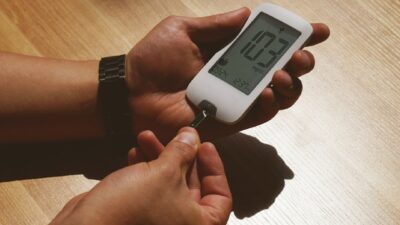
- Test your response. Check glucose 60 minutes after your morning coffee for a week. Big jumps mean you should scale back.
What About Artificial Sweeteners?
Zero-calorie sweeteners like stevia, monk fruit, and sucralose have little direct effect on glucose for most people. Sugar alcohols such as erythritol are also generally safe in moderate amounts. Skip full-sugar sweeteners including honey, agave, and brown sugar, which spike glucose fast.
If you want to improve your morning numbers, pair your coffee habit with the rest of the daily routine in our prediabetes diet guide.
The Bottom Line
Caffeine does raise blood sugar in many people with prediabetes or diabetes, but usually by only 5 to 15 mg/dL. The bigger risk is the sugar and milk you add to your cup. Keep your caffeine under 400 mg daily, choose black coffee or green tea, and test your personal response. If coffee fits your glucose targets, there is no strong reason to give it up.
Medical disclaimer: This article is for educational purposes only and is not a substitute for professional medical advice. Always consult your doctor before changing your diet or caffeine intake.