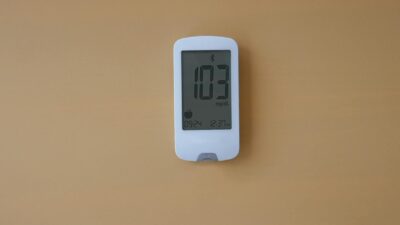
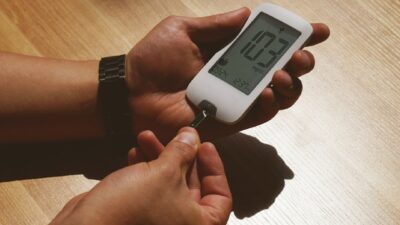
Yes, high blood sugar makes you sleepy. When glucose climbs above 180 mg/dL, cells struggle to absorb the fuel they need, your body pulls water out of tissues, and the brain gets a fraction of the energy it expects. The result is classic post-meal fatigue, brain fog, and afternoon slumps.
Why Hyperglycemia Causes Fatigue
Normally, insulin escorts glucose into muscle, liver, and brain cells, where it is burned for energy. In insulin resistance or diabetes, that process breaks down. Glucose piles up in the bloodstream while cells essentially starve. The NIDDK calls this the signature mismatch of prediabetes and type 2 diabetes.
Three mechanisms combine to make you tired:
- Cellular fuel shortage: Muscles and neurons cannot pull in enough glucose despite high levels in the blood.
- Dehydration: Kidneys work overtime to excrete excess glucose, pulling water with it.
- Inflammation: Sustained high glucose triggers inflammatory cytokines that cross the blood-brain barrier and amplify sleepiness.
Timing: When the Sleepiness Hits
| Time After Eating | Glucose Pattern | Common Symptom |
|---|---|---|
| 15-30 minutes | Rapid rise | Warm, flushed feeling |
| 30-90 minutes | Peak (often 180-220 mg/dL) | Heavy eyelids, yawning, brain fog |
| 90-180 minutes | Rebound drop | Shakiness, hunger, irritability |
| 3-4 hours | Return toward baseline | Energy restored |
If you see this pattern daily, your body is handling carbs less efficiently than it should. Consider a fasting glucose or A1C test to rule out prediabetes.
Other High Blood Sugar Symptoms
The American Diabetes Association lists these common signs alongside fatigue:
- Extreme thirst that water does not quench
- Frequent urination, especially at night
- Blurred vision
- Slow-healing cuts or frequent infections
- Dull headache across the forehead
- Unintentional weight loss despite normal eating
Any two of these symptoms together for more than a week deserves a doctor visit.
How to Beat the Post-Meal Slump
You can usually reverse high-sugar sleepiness within a few days of consistent habits. These five strategies work together.
- Walk 10 minutes after meals. Muscle contractions pull glucose out of the bloodstream without insulin, dropping post-meal peaks by up to 30 percent.
- Front-load protein and fiber. Eat veggies and a protein source first, then starches last. This alone can flatten a spike by 40 mg/dL.
- Swap refined carbs. Trade white rice for quinoa, pasta for zucchini noodles or lentil pasta, and juice for whole fruit. See our diet guide for more.
- Hydrate aggressively. 16 ounces of water with each meal and a full 64 to 96 ounces a day keeps the kidneys able to clear excess glucose.
- Sleep seven to nine hours. Poor sleep raises next-day insulin resistance by roughly 25 percent, worsening the cycle.
The Role of Sleep Quality
The relationship between glucose and fatigue is bidirectional. High blood sugar drains energy in the short term, but poor sleep also raises insulin resistance in the long term. Adults who average less than six hours a night have roughly a 28 percent higher risk of developing type 2 diabetes compared with those who sleep seven to nine hours, according to large cohort studies.
Sleep apnea is an especially common culprit in people with prediabetes. Untreated apnea fragments sleep and spikes overnight cortisol, pushing fasting glucose 10 to 20 mg/dL higher than it would otherwise be. If you snore, wake up unrefreshed, or feel constantly drained, ask your doctor about a sleep study before blaming meals alone.
Exercise as a Reset Button
A 10 to 15 minute walk after the heaviest meal of the day can cut post-meal glucose peaks by up to 30 percent. Resistance training two to three times per week improves insulin sensitivity for up to 48 hours after each session. Even light activity like standing for five minutes every hour at your desk measurably lowers average daily glucose in people with prediabetes. Movement is one of the few interventions that works faster than any food change.
When Fatigue Is an Emergency
Sleepiness paired with nausea, fruity breath, rapid deep breathing, or confusion can signal diabetic ketoacidosis or hyperosmolar hyperglycemic state. Both are medical emergencies. If your meter reads above 300 mg/dL and you feel deeply unwell, call your doctor or head to the ER.
Tracking Your Personal Pattern
Keep a two-week log of what you eat, your glucose two hours later, and your energy on a 1-10 scale. Patterns usually jump out: a specific breakfast, a missed walk, a late dinner. Share this log with your clinician at your next visit for a targeted plan.
The Bottom Line
Post-meal sleepiness is not just a food coma — it is often your blood sugar telling you something. High glucose starves cells while dehydrating tissues and inflaming the brain, producing the classic crash. Test, walk, hydrate, and rebalance your plate, and most people feel markedly better within a week. If the fatigue sticks around, get screened for prediabetes before the pattern hardens.
Medical disclaimer: This article is for educational purposes only and is not a substitute for professional medical advice. Always consult your doctor before changing your diet or treatment plan.