Yes—does coffee raise blood sugar? For some people with insulin resistance, caffeinated coffee can nudge glucose up 5–15 mg/dL for a few hours. But what you add to it matters far more, and regular coffee drinkers actually have a lower long-term risk of type 2 diabetes.
The Short-Term Caffeine Effect
Caffeine temporarily reduces insulin sensitivity, meaning muscles pull in less glucose for the same amount of insulin. Studies published in Diabetes Care show this effect is strongest in people who already have insulin resistance or type 2 diabetes. Healthy adults usually see little to no change.
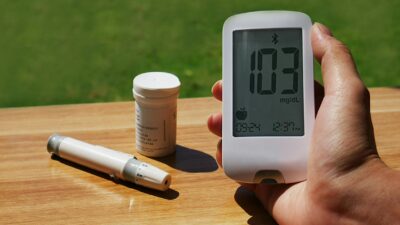
The bump typically appears 30–90 minutes after drinking and fades within 3–4 hours. If you use a CGM, try comparing a black-coffee morning to a no-coffee morning to see your personal pattern.
What Add-Ins Do to Your Cup
| Coffee Drink | Approx. Carbs | Blood Sugar Impact |
|---|---|---|
| Black coffee, 12 oz | 0 g | Minimal |
| Coffee + 2 Tbsp half-and-half | 1 g | Minimal |
| Unsweetened latte, 12 oz | 11 g | Small to moderate |
| Vanilla latte, 12 oz | 29 g | Moderate to large |
| Frappuccino, 16 oz | 55 g | Large spike |
The takeaway: black coffee is basically glucose-neutral; sugary café drinks are essentially liquid dessert.
Long-Term: Coffee Is Associated With Lower Diabetes Risk
Meta-analyses from the Harvard School of Public Health link 3–4 cups of coffee daily with a 25% lower risk of developing type 2 diabetes. Both caffeinated and decaf show benefit, suggesting polyphenols, magnesium, and chlorogenic acid are responsible rather than caffeine itself.
This does not contradict the short-term spike. Acute caffeine response and chronic metabolic effect are different mechanisms.
Why Your Glucose Rises From the Cup
Caffeine and Adrenaline
Caffeine stimulates adrenaline, which prompts the liver to release glucose. For people with healthy insulin response, this is easily cleared. For those with insulin resistance, it lingers.
Fasting Context
Black coffee on an empty stomach tends to produce a larger bump than coffee paired with a protein-rich breakfast. Pairing can blunt the response.
Dehydration
Coffee is a mild diuretic. If you wake up dehydrated, glucose can concentrate slightly, amplifying morning readings. Drink a glass of water alongside your cup.
Best Coffee Practices for Prediabetes
- Choose black, with milk, or unsweetened plant milk.
- Skip syrups, flavored creamers, and “sweet” cold brews.
- If caffeine spikes you, test decaf for a week and compare.
- Pair morning coffee with a protein-forward breakfast.
- Stop caffeine at least 8 hours before bed—poor sleep worsens insulin resistance.
For more food-as-tool strategies, see our diet and nutrition hub.
Common Sweetener Traps
“Sugar-free” syrups often use sugar alcohols that can cause GI upset. Stevia and monk fruit are the most neutral options for glucose. Honey, agave, and coconut sugar all raise blood glucose—being “natural” does not make them free passes.
Bottled and canned coffee drinks are a bigger trap. A 13.7-ounce bottled frappuccino can contain 46 grams of sugar—more than a can of soda.
When Coffee Is Not the Answer
If you have poorly controlled hypertension, acid reflux, anxiety, or insomnia, coffee can worsen health factors that indirectly hurt glucose control. Discuss intake with your clinician, particularly if you take stimulant medications.
And if your A1C has risen lately, coffee is rarely the main driver. Use our A1C levels resource to interpret your number and consider a CGM trial for a personalized view.
The Real-World Verdict
For the average person with prediabetes, a cup or two of unsweetened coffee daily is safe and likely beneficial long-term. Watch what goes into the cup far more than the coffee itself. If you’re unsure how you respond, test with a meter or CGM for a week.
The Bottom Line
Coffee can raise blood sugar slightly in the short term, especially for people with insulin resistance, but habitual coffee drinkers have lower long-term diabetes risk. Keep it simple: black, with milk, or unsweetened. The sugar-loaded drinks at the counter are the real culprit—not the coffee bean.
This article is educational and not a substitute for personalized medical advice. Always consult your healthcare provider about symptoms, testing, and treatment.