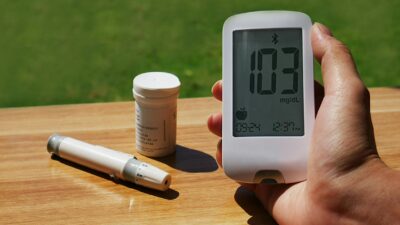
Blood sugar below 54 mg/dL or above 240 mg/dL with ketones is medically dangerous. Understanding what level of blood sugar is dangerous helps you respond quickly: severe lows can cause seizures, and severe highs can lead to diabetic ketoacidosis (DKA) or coma. Here are the thresholds and what to do at each.
The Full Blood Sugar Danger Chart
| Glucose Level | Classification | Risk |
|---|---|---|
| Under 40 mg/dL | Severe hypoglycemia | Emergency—seizure, coma risk |
| 40–54 mg/dL | Clinically significant low | Urgent—treat immediately |
| 55–69 mg/dL | Hypoglycemia alert | Treat with 15 g carbs |
| 70–99 mg/dL fasting | Normal | Healthy range |
| 100–125 mg/dL fasting | Prediabetes | Lifestyle change window |
| 126+ mg/dL fasting (x2) | Diabetes | Requires diagnosis workup |
| 180–240 mg/dL | Hyperglycemia | Active monitoring; hydrate, move |
| Over 240 mg/dL + ketones | DKA risk | Emergency |
| Over 600 mg/dL | Hyperosmolar state | Life-threatening |
Thresholds draw on American Diabetes Association Standards of Care.
Why Very Low Blood Sugar Is Dangerous
The brain relies almost exclusively on glucose. When levels drop below 54 mg/dL, cognitive function suffers—confusion, slurred speech, and trembling are common. Below 40 mg/dL, seizures and loss of consciousness become real risks.
Classic warning signs include:
- Shakiness and cold sweats
- Racing heart
- Intense hunger
- Dizziness or tunnel vision
- Irritability, confusion
The NIDDK recommends the “rule of 15”: 15 grams of fast carbs, wait 15 minutes, recheck. Repeat if still low. Keep glucose tablets, juice, or regular soda on hand.
Why Very High Blood Sugar Is Dangerous
Diabetic Ketoacidosis (DKA)
DKA happens mostly in type 1 diabetes but also type 2 under stress. When insulin is too low to move glucose into cells, the body burns fat, producing ketones that acidify the blood. Symptoms: fruity breath, vomiting, rapid deep breathing, abdominal pain, confusion. Per the Mayo Clinic, DKA requires emergency care.
Hyperosmolar Hyperglycemic State (HHS)
More common in type 2, HHS features extremely high glucose (often over 600 mg/dL) with severe dehydration. Mortality is higher than DKA. Symptoms build over days: intense thirst, dark urine, fatigue, then confusion.
Long-Term Damage From Sustained Highs
Even readings in the 180–240 range, repeated daily, drive long-term complications: nerve damage, retinopathy, kidney disease, and cardiovascular risk. You can see how these add up on our prediabetes 101 overview.
Special Thresholds to Know
In Pregnancy
Gestational diabetes uses tighter cutoffs: fasting over 95 mg/dL or 1-hour post-meal over 140 mg/dL counts as elevated and requires intervention.
Children
Pediatric thresholds match adult ranges, but young children are more vulnerable to rapid hypoglycemia. Parents should watch for sudden pallor, lethargy, or clamminess.
On a CGM
Time-in-range targets are generally 70–180 mg/dL for at least 70% of the day. Time below 70 mg/dL should stay under 4%; time below 54 mg/dL under 1%.
How to Respond: Quick Action Guide
Low (under 70 mg/dL): 15 grams of fast carbs. Recheck in 15 minutes. If unconscious, glucagon and 911.
High without ketones (180–240 mg/dL): Hydrate, walk, recheck in 60–90 minutes. Follow correction plan if prescribed.
High with ketones (over 240 mg/dL): Contact clinician. If vomiting or confused, go to the ER.
Extreme high (over 400 mg/dL): Seek urgent care even without obvious symptoms.
Preventing the Dangerous Extremes
Consistency reduces swings. Prioritize protein at each meal, hydrate steadily, keep medications on schedule, and avoid skipping meals if you use insulin or sulfonylureas. Track your A1C levels every 3–6 months for the long-view picture.
If you’re new to glucose monitoring, the CDC has an accessible primer worth reading.
The Bottom Line
Dangerous blood sugar starts below 54 mg/dL or above 240 mg/dL with ketones. Know your personal targets, keep fast carbs accessible, hydrate for highs, and never hesitate to seek emergency care for confusion, vomiting, or fruity breath. Most dangerous readings are preventable with a steady routine and regular clinical follow-up.
This article is educational and not a substitute for personalized medical advice. Always consult your healthcare provider about symptoms, testing, and treatment.