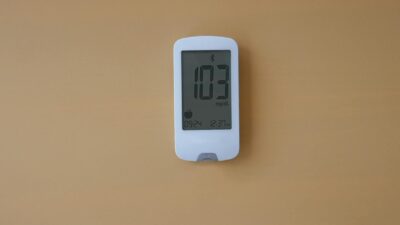
A fasting blood sugar 115 in the morning sits in the prediabetes range (100–125 mg/dL) per the American Diabetes Association. It is not diabetes, but it is a real signal that insulin sensitivity has slipped. Mornings are a common trouble spot thanks to the dawn phenomenon—and the good news is that the number is often reversible.
What 115 mg/dL Means
The ADA uses three fasting glucose brackets:
| Fasting Glucose | Classification |
|---|---|
| 70–99 mg/dL | Normal |
| 100–125 mg/dL | Prediabetes |
| 126 mg/dL and above (x2) | Diabetes |
A single 115 does not guarantee prediabetes—confirm with a second fasting test and an A1C. Still, repeated mornings in this range mean your long-term risk of developing type 2 diabetes is elevated.
Why Mornings Hit Higher: The Dawn Phenomenon
Between roughly 4 and 8 a.m., your body secretes cortisol and growth hormone to wake you up. These hormones signal the liver to release stored glucose—normal biology. If insulin sensitivity is impaired, that surge is not cleared efficiently, leaving fasting numbers elevated.
The Mayo Clinic describes this effect as especially common in people with prediabetes and early type 2 diabetes. Paradoxically, eating nothing overnight does not help—the issue is hormonal, not dietary.
Somogyi Effect vs. Dawn Phenomenon
If you use insulin, a 3 a.m. low can trigger a rebound high—called the Somogyi effect. The fix differs (less insulin, not more), so people on medication should check glucose at 3 a.m. on a couple of nights to distinguish patterns.
Other Reasons Your Morning Reading Is 115
- Late, carb-heavy dinner: Evening spikes linger into fasting windows.
- Poor sleep: Under 6 hours raises cortisol and fasting glucose.
- Alcohol: Can cause a rebound high the next morning.
- Stress: Cortisol elevations last overnight.
- Infection or illness: Temporary insulin resistance.
- Certain medications: Steroids, some antidepressants, decongestants.
How to Bring a Morning 115 Down
Evening Habits Matter Most
Try a lower-carb, protein-forward dinner. Eat earlier—ideally 3 hours before bed. Take a 10–20 minute walk after dinner; studies show evening walks flatten overnight glucose curves noticeably.
Prioritize Sleep
Aim for 7–9 hours in a consistent window. Even one poor night can raise fasting glucose by 10–15 mg/dL.
Protein Snack Before Bed
Counterintuitively, a small protein snack (Greek yogurt, a hard-boiled egg) can sometimes reduce dawn-phenomenon spikes by stabilizing overnight insulin. This is personal—test with a meter or CGM.
Build Insulin Sensitivity
Resistance training 2–3 times weekly and losing 5–7% of body weight markedly improves fasting numbers. The CDC’s Diabetes Prevention Program shows these two habits cut progression to diabetes by 58%.
What to Do This Week
- Check fasting glucose for 5 mornings and average the results.
- Request an A1C test to see the 3-month trend.
- Try an early, protein-forward dinner plus a 15-minute walk.
- Sleep 7–8 hours in a consistent window.
- Re-check in 4 weeks.
If the average stays above 100 mg/dL, book a clinician visit to discuss next steps, including formal prediabetes diagnosis. Our prediabetes 101 hub walks through what to expect.
When 115 Gets Urgent Attention
A fasting 115 itself is not urgent. But combine it with fatigue, frequent urination, unexplained weight loss, or blurred vision and you need a clinical visit soon. These can suggest faster progression to diabetes or other endocrine issues.
Per the CDC, 96 million U.S. adults have prediabetes, and 80% are undiagnosed. A single screen changes outcomes.
Tracking Progress Over Time
Fasting glucose is one data point. A1C reflects the 3-month average and is less noisy. Pairing both gives a more complete picture. A CGM for 2 weeks can uncover patterns—like carb sensitivities or nocturnal spikes—you cannot see with finger sticks alone. Learn more on our A1C levels page.
The Bottom Line
A morning blood sugar of 115 mg/dL is a yellow light, not a red one. It usually reflects mild insulin resistance and the dawn phenomenon, and most people can move it back into the normal range with consistent evening habits, sleep, and movement. Verify the pattern, get an A1C, and start small—the earlier you act, the easier prediabetes is to reverse.
This article is educational and not a substitute for personalized medical advice. Always consult your healthcare provider about symptoms, testing, and treatment.