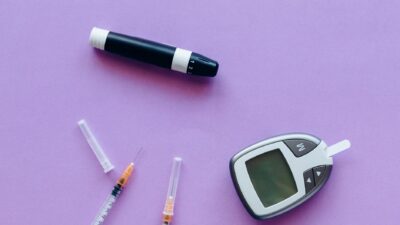
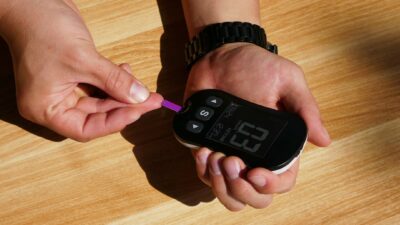
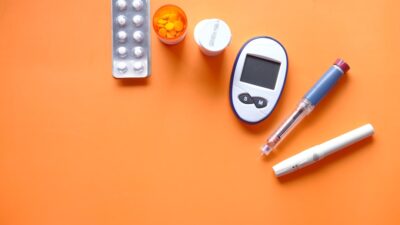
What lowers blood sugar depends on the time frame. In the short term, water, light exercise, vinegar, and a small protein snack can pull glucose down by 15 to 40 mg/dL within an hour. Over weeks and months, soluble fiber, strength training, weight loss, better sleep, and medications like metformin or GLP-1 agonists deliver the most durable drops in A1C.
Quick-Acting Tools (Within 1 Hour)
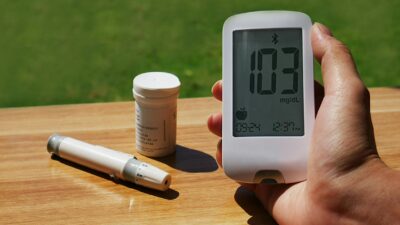
If your meter shows a reading above your target, these strategies act fastest.
- Water: Drink 16 to 20 ounces. Dehydration inflates blood sugar readings, and rehydration alone can drop them 10 to 20 mg/dL.
- Light movement: A 10 to 30 minute walk pulls glucose into working muscles without requiring extra insulin.
- Vinegar: 1 to 2 tablespoons of apple cider vinegar diluted in water before a carb-heavy meal reduces the post-meal spike by 15 to 30 percent in small trials.
- Cinnamon or fenugreek: Modest evidence, mainly when combined with meals; do not rely on as a sole treatment.
- Rapid-acting insulin: Only under a physician’s correction plan for people already using insulin.
Compare the Short-Term Options
| Strategy | Typical Drop (mg/dL) | Onset | Evidence Quality |
|---|---|---|---|
| 16 oz water | 10-20 | 30-60 min | Moderate |
| 10-30 min walk post-meal | 20-40 | 15-60 min | Strong |
| 2 tbsp vinegar pre-meal | 15-30 | 30-90 min | Moderate |
| Protein-paired snack (no carbs) | 5-15 | 30-60 min | Moderate |
| Bolus insulin (prescribed) | 50-150 | 15-30 min | Strong |
Long-Term Strategies That Lower A1C
1. Soluble Fiber (25-35 grams daily)
Oats, beans, lentils, psyllium, flax, and apples form a gel in the gut that slows glucose absorption. Clinical reviews show 25 to 35 grams of fiber daily can lower A1C by 0.3 to 0.5 percent.
2. Strength Training
Two to three resistance sessions per week increase muscle mass, the body’s largest glucose sink. Each session improves insulin sensitivity for up to 48 hours.
3. Weight Loss of 5 to 7 Percent
The Diabetes Prevention Program from the CDC showed a 58 percent reduction in progression from prediabetes to type 2 diabetes with this level of weight loss combined with 150 minutes of weekly activity.
4. Sleep 7 to 9 Hours
Under 6 hours a night raises fasting glucose and insulin resistance. Protecting sleep is one of the most underused tools for blood sugar control.
5. Stress Management
Cortisol directly raises glucose. Brief daily practices like breathing exercises, journaling, or a 10-minute walk in nature lower cortisol and ambient glucose over weeks.
Foods That Reliably Lower Blood Sugar Responses
- Non-starchy vegetables (spinach, broccoli, zucchini, peppers)
- Legumes (black beans, lentils, chickpeas)
- Berries (blueberries, strawberries, blackberries)
- Nuts and seeds (almonds, walnuts, chia, flax)
- Fatty fish (salmon, sardines, mackerel) for omega-3s
- Plain Greek yogurt and kefir for probiotics
- Vinegar (apple cider, rice, wine) used as dressing
Work these into the meal framework outlined on our diet and nutrition hub for compounding effects.
Medications That Lower Blood Sugar
When lifestyle is not enough, medications add substantial power. Each works differently:
- Metformin: Reduces liver glucose production. A1C drop: 0.8 to 1.5 percent. First-line for type 2 diabetes.
- GLP-1 receptor agonists (semaglutide, liraglutide, tirzepatide): Boost insulin release and slow stomach emptying. A1C drop: 1 to 2 percent plus 5 to 15 percent weight loss.
- SGLT2 inhibitors (empagliflozin, dapagliflozin): Excrete excess glucose through urine. A1C drop: 0.5 to 1 percent, with cardiovascular and kidney benefits.
- Sulfonylureas (glipizide, glimepiride): Stimulate insulin release. Older class; higher hypoglycemia risk.
- Insulin: Most potent; dosed to fit the individual.
Our treatment hub explains how clinicians pick between these based on weight, kidney function, cardiovascular history, and cost.
What Does Not Work (Or Is Overrated)
Skip extreme fasting during exercise (raises stress hormones and can rebound glucose), untested supplements marketed as “natural insulin” (rarely tested in trials), artificial sweeteners consumed in massive quantities (may affect gut bacteria), and skipping meals entirely (worsens reactive lows and highs). Also, sweating in a sauna does not meaningfully lower blood glucose despite the folklore.
When to Call a Clinician
Contact your provider if your readings stay above 250 mg/dL for more than two hours despite water and movement, you have ketones in urine, you feel confused, dizzy, or nauseated, or your fasting glucose has been above 126 mg/dL on repeat tests. These warrant timely medical review rather than DIY management.
The Bottom Line
Short-term, water, a walk, and vinegar are the most accessible tools to lower blood sugar within an hour. Long-term, soluble fiber, strength training, modest weight loss, quality sleep, and appropriate medications deliver the strongest drops in A1C. Stacking two or three interventions outperforms hunting for a single miracle food. Work with your clinician to build a plan that fits your numbers and lifestyle.
This article is for educational purposes only and does not replace medical advice. Do not start, stop, or change any medication without consulting your physician.