Yes, hummus is a great food choice for people with diabetes. Made primarily from chickpeas, tahini, olive oil, and lemon juice, hummus has a low glycemic index, provides filling fiber and plant protein, and delivers heart-healthy fats — all of which help support stable blood sugar levels.
What Makes Hummus Diabetes-Friendly
Hummus earns its reputation as a smart snack for blood sugar management thanks to its nutrient profile. Chickpeas, the main ingredient, are a legume rich in both soluble and insoluble fiber. Soluble fiber slows the absorption of glucose into your bloodstream, while insoluble fiber supports digestive health.
Tahini and olive oil contribute monounsaturated and polyunsaturated fats. According to the American Diabetes Association, replacing saturated fats with unsaturated fats can improve insulin sensitivity and reduce cardiovascular risk — a major concern for people with diabetes.
The combination of fiber, fat, and protein in hummus creates a slow-digesting food that helps prevent the rapid blood sugar spikes you might get from refined carbs alone. Research published in the Archives of Internal Medicine found that legume-based foods as part of a low glycemic index diet significantly improved blood sugar control in people with type 2 diabetes.
Hummus Nutrition Facts Per Serving
Understanding what is in your hummus helps you fit it into your daily carb budget. Here is a breakdown of a standard serving based on USDA data.
| Nutrient | 2 Tbsp (30 g) | 4 Tbsp (60 g) |
|---|---|---|
| Calories | 70 | 140 |
| Total Carbohydrates | 6 g | 12 g |
| Dietary Fiber | 2 g | 4 g |
| Net Carbs | 4 g | 8 g |
| Protein | 3 g | 6 g |
| Total Fat | 4 g | 8 g |
| Sodium | 130 mg | 260 mg |
| Glycemic Index | 6–25 (low) | |
With only 4 grams of net carbs per two-tablespoon serving, hummus fits easily into most diabetes meal plans. The fiber-to-carb ratio is favorable, and the protein content helps keep you satisfied between meals.
Store-Bought vs. Homemade Hummus
Both store-bought and homemade hummus can work well for people with diabetes, but there are differences worth knowing about.
Store-Bought Hummus
Commercial hummus is convenient and widely available. Most plain varieties — such as Sabra Classic, Cedar’s Original, or Tribe Classic — use simple ingredients and provide a similar nutrition profile. However, watch out for these potential issues:
- Added sugars: Some flavored varieties (roasted red pepper, chocolate, dessert hummus) contain added sugar or honey that increases the carb count.
- Higher sodium: Store-bought hummus typically has 130 to 200 mg of sodium per serving. If you are managing both diabetes and hypertension, this adds up.
- Preservatives and oils: Some brands use soybean oil or canola oil instead of olive oil, and may add preservatives like potassium sorbate.
Read the ingredient list and nutrition label. Choose brands where chickpeas are the first ingredient and the sugar content is zero or close to it.
Homemade Hummus
Making hummus at home gives you full control over ingredients. A basic recipe uses canned chickpeas, tahini, extra-virgin olive oil, lemon juice, garlic, and salt. You can reduce sodium, use more olive oil for extra healthy fats, and skip any additives. Homemade hummus also tends to taste fresher and allows you to experiment with diabetes-friendly add-ins like roasted garlic, cumin, or fresh herbs.
What to Dip in Hummus
What you pair with hummus matters just as much as the hummus itself. Dipping chips or white pita bread into hummus can turn a blood-sugar-friendly snack into a high-carb one. Here is how common dippers compare.
| Dipper (1 serving) | Carbs | Fiber | Good Choice? |
|---|---|---|---|
| Cucumber slices (1 cup) | 3 g | 0.5 g | Yes |
| Bell pepper strips (1 cup) | 6 g | 2 g | Yes |
| Celery sticks (1 cup) | 3 g | 1.5 g | Yes |
| Baby carrots (10 pieces) | 8 g | 2 g | Yes |
| Cherry tomatoes (1 cup) | 6 g | 2 g | Yes |
| Whole wheat pita (1 small) | 17 g | 2 g | In moderation |
| Pita chips (10 chips) | 19 g | 1 g | Limit |
| Tortilla chips (10 chips) | 18 g | 1 g | Limit |
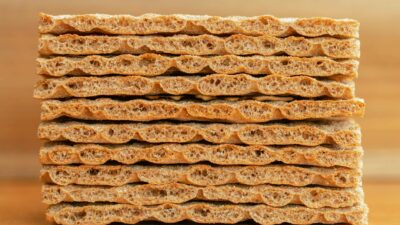
Raw vegetables are clearly the best option. They add vitamins, minerals, and extra fiber while keeping your total carb intake low. If you want something with more crunch, try seed crackers or other diabetes-friendly foods that are lower in refined carbs.
How Hummus Fits Into a Diabetes Meal Plan
Hummus is versatile enough to work as a snack or as part of a larger meal. Here are some practical ways to include it:
- Mid-afternoon snack: Two tablespoons of hummus with cucumber slices and bell pepper strips — about 10 grams of total carbs.
- Sandwich spread: Use hummus instead of mayonnaise on whole grain wraps or sandwiches to add protein and fiber while reducing saturated fat.
- Salad topping: Dollop hummus on a green salad for a creamy texture and extra protein.
- Part of a Mediterranean plate: Combine hummus with grilled chicken, tabbouleh, and a side of leafy greens for a balanced, low-GI meal.
Because hummus is calorie-dense (70 calories per two tablespoons), portion awareness matters — especially if you are also managing your weight. Measure your servings rather than eating directly from the container.
Hummus Compared to Other Dips
If you are deciding between hummus and other popular dips, hummus stands out as one of the most diabetes-friendly options. Ranch dressing is high in saturated fat and sodium with little nutritional value. French onion dip is similar. Guacamole is another strong choice thanks to the healthy fats in avocado — learn more about diabetes-friendly foods in our diet hub.
Bean dips made from black beans or white beans offer a similar fiber and protein profile to hummus and are also worth rotating into your snack routine.
Tips for Choosing the Best Hummus
- Check the ingredients: Chickpeas should be listed first. Avoid varieties with added sugar, corn syrup, or excessive oils.
- Compare sodium: Choose brands with under 150 mg per serving, or make your own to control salt.
- Skip dessert hummus: Chocolate or cookie dough hummus can have double the sugar and carbs of plain hummus.
- Watch flavored varieties: Roasted red pepper or garlic hummus is usually fine, but always check the label for hidden sugars.
- Consider organic: Organic hummus uses chickpeas grown without synthetic pesticides, though the nutritional difference is minimal.
The Bottom Line
Hummus is a genuinely diabetes-friendly food. Its low glycemic index, solid fiber content, plant-based protein, and healthy fats make it an excellent snack or meal component for blood sugar management. Stick to two to four tablespoons per serving, pair it with raw vegetables instead of chips, and choose plain varieties without added sugar. Whether you buy it at the store or make it at home, hummus deserves a regular spot in your diabetes diet plan. As always, work with your doctor or registered dietitian to find the portions and pairings that work best for your individual needs.