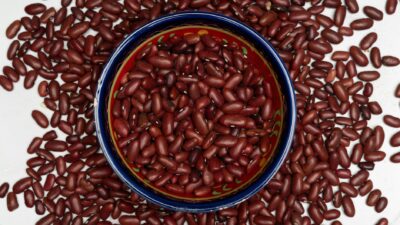
Kidney beans are one of the most diabetes-friendly carbohydrate foods available in mainstream US grocery stores. A half-cup cooked serving provides 20 grams of carbohydrate with 6 grams of fiber, 7.5 grams of plant protein, and a glycemic index of approximately 28 — among the lowest of any carbohydrate-containing food. The Jenkins Archives of Internal Medicine trial showed substituting legumes for refined grains lowered A1C by 0.5 percentage points over 3 months. Kidney beans also produce the documented second-meal effect, improving glucose response at subsequent meals. The variety differences are largely culinary — red kidney beans dominate in chili and Cajun cuisine; white kidney beans (cannellini) are common in Italian dishes. The single practical safety consideration is that raw or undercooked kidney beans contain phytohaemagglutinin, a lectin toxin destroyed by thorough boiling. Canned beans are pre-cooked and safe.
Nutrition Profile
| Kidney beans form (½ cup cooked) | Calories | Carbs (g) | Fiber (g) | Protein (g) | Glycemic Index |
|---|---|---|---|---|---|
| Red kidney beans, cooked | 112 | 20 | 6 | 7.5 | ~28 |
| White kidney beans (cannellini) | 110 | 20 | 6 | 8 | ~31 |
| Light red kidney beans | 112 | 20 | 6 | 7.5 | ~29 |
| Canned, drained | 108 | 19 | 7 | 7 | ~28 |
| Canned, rinsed | 108 | 19 | 7 | 7 | ~28 |
| Cooked-then-cooled (resistant starch) | 112 | 20 | 7 | 7.5 | ~24 |
| Refried kidney beans | 120 | 20 | 5 | 7 | ~32 |
Glycemic Impact
Kidney beans produce a flat, modest glucose response. CGM users typically see peaks 15 to 25 mg/dL above baseline with a half-cup serving. The combination of soluble fiber, resistant starch, and plant protein produces a slow, sustained curve. The second-meal effect means glucose response at later meals is also improved.
The Phytohaemagglutinin Caveat
- Raw or undercooked kidney beans contain phytohaemagglutinin (PHA), a lectin toxin.
- Symptoms 1-3 hours after eating: severe nausea, vomiting, diarrhea, abdominal pain.
- Recovery typically within 24 hours; rarely requires hospitalization.
- Mechanism: PHA agglutinates red blood cells and damages gut lining.
- Thorough boiling for at least 10 minutes (most recipes call for 30-60 min) destroys PHA.
- Slow cookers may not reach destruction temperature — boil first on stovetop.
- Canned kidney beans are pre-cooked and safe.
- Red kidney beans have the highest PHA content; white kidney beans less but should also be cooked.
Red vs White (Cannellini)
- Dark red kidney beans: most common; deep red color; sturdy in chili.
- Light red kidney beans: pinkish; common in Cajun and Caribbean cuisine.
- White kidney beans (cannellini): cream-colored; milder flavor; common in Italian dishes.
- Red varieties contain anthocyanins — same polyphenols as blueberries.
- White varieties lack anthocyanins but otherwise have similar nutrition.
- Choice is culinary — both work in most recipes.
Cultural Cuisines
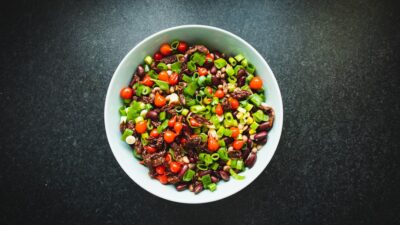
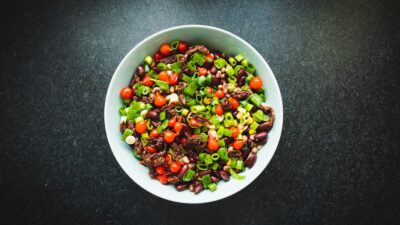
- American: chili con carne (Texas-style with red kidney), red beans and rice (Louisiana Creole), three-bean salad.
- Mexican: refried beans (more commonly pinto, but kidney works).
- Caribbean: rice and beans (often with coconut milk), Jamaican stew.
- Indian: rajma masala (kidney bean curry).
- Italian: minestrone soup, pasta e fagioli, white bean salad (with cannellini).
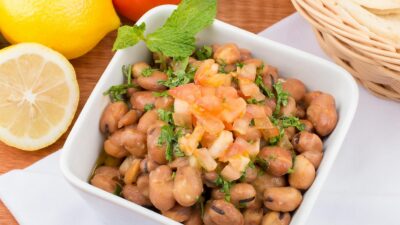
- Tuscan: cannellini with tuna, olive oil, lemon.
Kidney Beans vs Other Legumes
| Legume (½ cup cooked) | Carbs (g) | Fiber (g) | Protein (g) | Glycemic Index |
|---|---|---|---|---|
| Kidney beans | 20 | 6 | 7.5 | ~28 |
| Black beans | 20 | 7 | 7.5 | ~30 |
| Pinto beans | 22 | 7 | 7.5 | ~32 |
| Navy beans | 24 | 9 | 7.5 | ~31 |
| Lentils | 20 | 8 | 9 | ~28 |
| Chickpeas | 22 | 6 | 7 | ~28 |
| Edamame | 8 | 4 | 9 | ~15 |
Cooking Methods
- From dried: soak overnight, drain, fresh water, boil hard for 10 min then reduce heat; simmer 60-90 min total.
- Pressure cooker: 25-30 min high pressure; natural release.
- Slow cooker: NOT recommended unless beans are pre-boiled for 10 min; otherwise PHA risk.
- Canned: rinse and use; pre-cooked and safe.
- Cooled and reheated develops resistant starch.
Pairing Strategies
- Red kidney beans + ground turkey + tomato + onion = traditional chili.
- Red beans and rice (Louisiana Creole-style) — substantial protein-and-carb meal.
- Cannellini beans in minestrone soup with vegetables.
- Three-bean salad (kidney + green + garbanzo) with vinaigrette.
- Cannellini with olive oil, garlic, sage, and lemon — Tuscan-style.
- Rajma masala over brown rice — Indian comfort food.
- Kidney beans in soups, stews, and bowls.
Vitamin and Mineral Profile
| Nutrient (½ cup cooked) | Amount | % Daily Value |
|---|---|---|
| Folate | 115 mcg | 29% |
| Iron | 2 mg | 11% |
| Magnesium | 37 mg | 9% |
| Phosphorus | 122 mg | 12% |
| Potassium | 358 mg | 8% |
| Manganese | 0.4 mg | 20% |
| Copper | 0.2 mg | 22% |
Sodium Considerations
- Canned kidney beans: 350-500 mg sodium per half-cup.
- Rinsing reduces sodium by ~40%.
- Low-sodium versions: 100-250 mg per half-cup.
- Home-cooked from dried: essentially salt-free.
- For adults with hypertension, choose low-sodium or rinse thoroughly.
Who Should Be Careful
- People who eat raw or undercooked beans — never consume raw kidney beans.
- People with IBS — beans can trigger symptoms; gradual introduction helps.
- People with chronic kidney disease — moderate potassium and phosphorus.
- People with G6PD deficiency — some beans (fava) trigger hemolysis; kidney beans generally safe.
- People on warfarin — beans contain modest vitamin K; consistent intake.
Practical Daily Strategies
- Keep canned low-sodium kidney beans in the pantry.
- Use in chili, soups, stews, three-bean salads, and pasta dishes.
- Substitute kidney beans for half the meat in chili for plant-protein boost.
- Pair with brown rice for complete protein.
- Rinse canned beans to reduce sodium.
- Always thoroughly cook dried beans before consumption.
The Bottom Line
Kidney beans are one of the most diabetes-friendly carbohydrate foods available, with a half-cup cooked serving providing 20 g carbohydrate, 6 g fiber, 7.5 g plant protein, and a glycemic index of approximately 28. The Jenkins Archives of Internal Medicine trial showed substituting legumes for refined grains lowered A1C by 0.5 percentage points over 3 months in adults with type 2 diabetes. Kidney beans also produce the documented second-meal effect. Red kidney beans contain anthocyanins (same polyphenols as blueberries) for modest cardiovascular benefits not found in white (cannellini) varieties. The one practical safety consideration is that raw or undercooked kidney beans contain phytohaemagglutinin, a lectin toxin destroyed by thorough boiling; canned beans are pre-cooked and safe. Kidney beans anchor chili, red beans and rice, three-bean salad, minestrone, and rajma masala — providing protein-and-fiber-dense diabetes-friendly meals across cuisines. The gas issue resolves with gradual introduction. For adults with type 2 diabetes who tolerate beans, 2-3 servings per week is a low-effort, evidence-supported addition. See our broader diabetes diet guide for legume framework.