A Korean diet for diabetes can work very well when meals are built around the traditional pillars of Korean cooking — kimchi, fermented and vegetable banchan, grilled and braised proteins, hearty stews, and a controlled portion of rice or noodles. Kimchi alone is a standout: low calorie, high fiber, and fermented in a way that may benefit glucose control and gut health. The pitfalls are mostly large rice portions, sweet marinades, Korean fried chicken, and tteokbokki rice cakes. Small culturally faithful swaps keep meals authentic while protecting blood sugar.
Why Korean Cuisine Matters for Diabetes
Korean Americans and Korean adults around the world face a higher risk of type 2 diabetes at lower body mass index than non-Asian populations. The American Diabetes Association recommends screening Asian Americans starting at a BMI of 23 rather than 25 because of this earlier insulin-resistance threshold. Traditional Korean cooking — which emphasizes vegetables, fermented foods, broths, and modest portions of meat — actually aligns with much of the modern guidance for metabolic health. The challenge is modernization: larger rice servings, sweetened sauces, and the rise of Korean fried chicken and dessert culture have shifted glycemic load upward.
Diabetes-Friendly Korean Staples
- Kimchi (baechu, kkakdugi, oi sobagi): roughly 15 to 20 calories per half cup, fiber-rich, fermented. Lactobacillus may support insulin sensitivity.
- Banchan (vegetable side dishes): seasoned spinach (sigeumchi namul), bean sprouts (kongnamul), seaweed (miyeok), radish (musaengchae), eggplant — low-carb, fiber-forward.
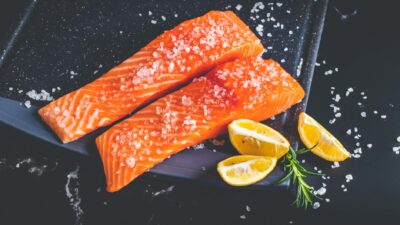
- Grilled fish: mackerel (godeungeo gui), Spanish mackerel, yellow corvina, salmon — zero carbs, high satiety, omega-3.
- Doenjang jjigae (soybean paste stew): tofu, vegetables, and fermented soybean paste — high in plant protein and fiber.
- Sundubu jjigae (soft tofu stew): tofu, seafood or vegetables, and chili — protein-rich and low-carb without the rice.
- Samgyetang (ginseng chicken soup): whole young chicken, ginseng, garlic, jujube — minimize the glutinous rice stuffing.
- Bibimbap (half-rice or no-rice): rice bowl with seasoned vegetables, egg, and a small protein.
- Bulgogi and galbi (lean cuts, lightly marinated): good when sauces are toned down or made at home with less sugar.
- Lettuce wraps (ssam): grilled meat wrapped in red leaf lettuce or perilla leaves with ssamjang — minimal carbs.
- Boricha and oksusu cha (barley and corn teas): zero-calorie traditional drinks.
Foods to Limit or Modify
| Food / Dish | Why Limit | Better Swap |
|---|---|---|
| Large bowl of white rice (1.5 cups) | ~70 g carbs, GI ~73 | Half portion, mixed grain rice, cauliflower rice |
| Tteokbokki (rice cakes in sauce) | ~60 g carbs per serving, sweet sauce, high GI | Small taste-only portion; not a main |
| Jeyuk bokkeum (sweet spicy pork) | Marinade often heavy on sugar and corn syrup | Home version with no sugar or monk-fruit sweetener |
| Korean fried chicken (yangnyeom, soy garlic) | Battered, fried, and glazed — high carb and fat | Grilled or oven-baked chicken with side ssamjang |
| Japchae (sweet potato glass noodles) | ~50 g carbs per cup, sweetened sauce | Small side portion; load with vegetables and beef |
| Banchan with sugar (kongjaban, jangjorim) | Caramelized sweetener adds hidden carbs | Choose vegetable namul banchan instead |
| Sikhye (sweet rice drink) | ~30 g sugar per cup | Boricha (roasted barley tea), unsweetened |
| Sujeonggwa (cinnamon ginger punch) | ~25 g sugar per cup | Brewed cinnamon and ginger water, unsweetened |
| Bingsu (shaved ice dessert) | 60-90 g sugar with toppings | Small share-size; fresh fruit and a spoon of yogurt |
| Hotteok (sweet pancake) | ~30 g sugar in the filling | Skip or split with multiple people |
Glycemic Impact of Common Korean Dishes
| Dish (typical serving) | Carbs (g) | GI (approx.) | Diabetes Rating |
|---|---|---|---|
| Kimchi (1/2 cup) | 2-3 | Very low | Excellent |
| Grilled mackerel (godeungeo gui) | 0 | — | Excellent |
| Doenjang jjigae (1 bowl) | 10-15 | Low | Excellent |
| Sundubu jjigae (1 bowl, no rice) | 8-12 | Low | Excellent |
| Bulgogi (4 oz, modest marinade) | 8-12 | Low-moderate | Good |
| Bibimbap (1/2 rice bowl) | 40-50 | Moderate | Good |
| Samgyetang (1 bowl, half rice stuffing) | 25-30 | Moderate | Good |
| White rice (1 cup) | 45 | ~73 | Limit portion |
| Japchae (1 cup) | 50 | Moderate-high | Limit |
| Tteokbokki (1 serving) | 60 | ~85 | Avoid as main |
| Korean fried chicken (4 pieces) | 30-40 | High | Avoid |
| Sikhye (12 oz) | 35-45 | High | Avoid |
The Rice Question
Rice is central to Korean meals (the word for “meal” itself, bap, literally means cooked rice). You do not have to give it up. The math:
- One Korean rice bowl (1 cup cooked white rice): 45 g carbs, GI ~73
- Half a rice bowl: 22 g carbs — fits most meal plans alongside protein and vegetables
- Japgokbap (mixed grain rice with barley, beans, millet): ~40 g carbs but lower GI (~55) due to added fiber
- Cauliflower rice or konjac rice: 3 to 6 g net carbs per cup
- Lettuce wrap (ssam) instead of rice: roughly 1 g carbs per leaf
Half a bowl of mixed-grain rice with kimchi, banchan, grilled fish, and doenjang jjigae is one of the most diabetes-friendly traditional meals you can build.
Korean BBQ Strategy
- Order lean cuts: galbisal, bulgogi, samgyetang — skip thick fatty samgyeopsal in large amounts
- Use lettuce wraps (sangchu ssam) instead of rice — load with grilled meat, garlic, kimchi, ssamjang
- Skip the steamed egg side (gyeran jjim) only if you also have a rice bowl — otherwise enjoy it for protein
- Ask for extra banchan vegetables (spinach namul, bean sprouts, radish) for low-carb sides
- Drink boricha (barley tea) — usually free and unsweetened
- Skip the cold noodle (naengmyeon) course as the meal-ender, or share a small portion
- Walk after — Korean meals are social and often end with movement, which blunts the post-meal glucose curve
Sample 1-Day Korean Meal Plan
- Breakfast: Sundubu jjigae (soft tofu stew) with kimchi and an egg, half a bowl of mixed-grain rice, boricha. Carbs ~25 g.
- Lunch: Bibimbap with half rice, sigeumchi namul (spinach), kongnamul (bean sprouts), shredded carrot, mushroom, an egg, and 3 oz bulgogi. Gochujang on the side. Carbs ~40 g.
- Snack: 1/2 cup kimchi with a small handful of roasted seaweed (gim) and a hard-boiled egg. Carbs ~5 g.
- Dinner: Korean BBQ ssam — grilled galbisal or bulgogi wrapped in lettuce with garlic, ssamjang, kimchi; doenjang jjigae on the side; small portion of japchae (1/4 cup) to share. Boricha. Carbs ~30 g.
- Optional dessert: A small Korean pear (bae) — fiber-rich and crunchy. Carbs ~15 g.
Total: roughly 115 g carbs, well within typical moderate-carb targets for many adults with type 2 diabetes.
Cooking at Home
- Make kimchi from scratch with napa cabbage, gochugaru, garlic, ginger, fish sauce — control the sugar (traditional recipes use very little)
- Build a banchan rotation: spinach namul, bean sprouts, radish, eggplant, seaweed soup, cucumber — these keep well for 3 to 5 days
- Use less sugar in marinades for bulgogi and galbi — replace half the sugar with monk fruit or allulose
- Cook mixed-grain rice (japgokbap) with barley, black beans, millet, and brown rice for higher fiber and lower GI
- Try cauliflower rice bibimbap — toppings still authentic, carbs cut by 80 percent
- Make doenjang jjigae in batches — vegetable, tofu, and fermented soy stew that improves the next day
Cultural Sensitivity and Family Meals
Korean meals are inherently shared — multiple banchan, a central protein, a stew, and individual rice bowls. This actually makes portion control easier: you can take small amounts of each dish rather than committing to a single large plate. Tradition matters, and most Korean home cooking is already vegetable-heavy and fermented. The friendlier approach is preparation: smaller rice portions, more banchan and protein on the plate, kimchi as a daily probiotic, water or boricha as the default drink, and reserving sweet rice drinks and bingsu for occasional rather than daily use.
Related Reading
See our broader guides on diet and nutrition, the Japanese diet for diabetes, the Chinese diet for diabetes, and the Asian diet for diabetes.
The Bottom Line
A Korean diet for diabetes is highly workable — and in its traditional vegetable- and fermentation-heavy form, it aligns well with modern metabolic guidance. Anchor meals on kimchi, vegetable banchan, grilled proteins, and stews. Limit large white rice portions, tteokbokki, Korean fried chicken, sweet pork marinades, and sugary drinks like sikhye and sujeonggwa. Use lettuce wraps and mixed-grain rice as your carbohydrate workhorses. Korean meals are social, shared, and built for moderation when you control the rice bowl and the dessert. Asian Americans should consider screening for type 2 diabetes starting at a BMI of 23 because risk shows up at lower body weight than in other populations.