Low-carb vegetables — those with roughly 5 grams or fewer of net carbs per serving — are the cornerstone of any blood-sugar-friendly eating plan. They fill you up with fiber, water, vitamins, and antioxidants while having almost no impact on blood glucose. The American Diabetes Association recommends building half of every plate from these vegetables.
What Counts as a Low-Carb Vegetable?
For practical purposes, a low-carb vegetable contains 5 grams or less of net carbs (total carbs minus fiber) per typical serving — about 1 cup raw or ½ cup cooked. These overlap heavily with what dietitians call non-starchy vegetables. They are different from starchy vegetables such as potatoes, corn, and peas, which have 15 grams or more of carbs per serving.
The Best Low-Carb Vegetables (Comparison Table)
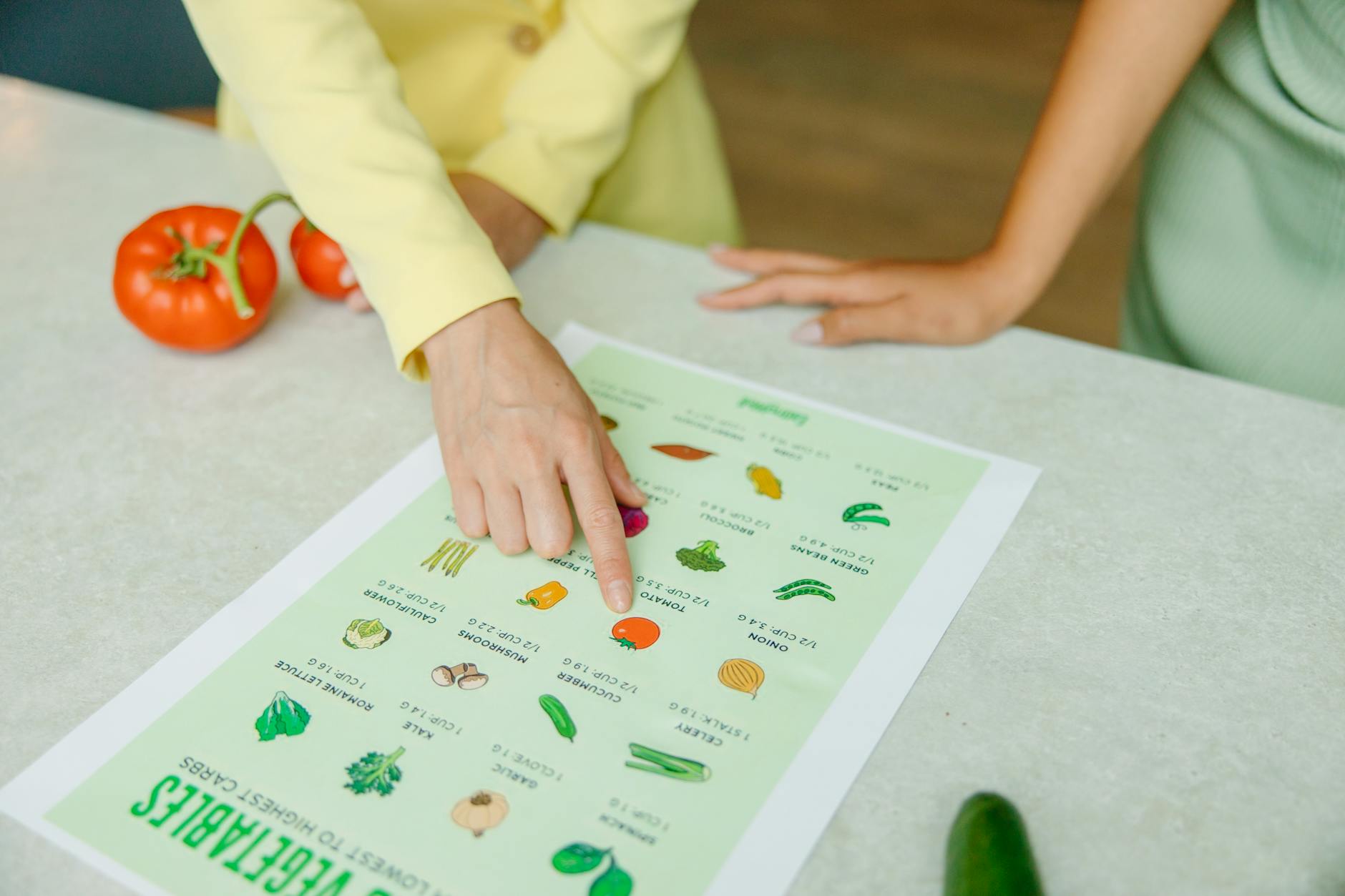
All values are per 1 cup raw unless noted, from the USDA FoodData Central database.
| Vegetable | Total Carbs (g) | Fiber (g) | Net Carbs (g) | Calories |
|---|---|---|---|---|
| Spinach (raw) | 1.1 | 0.7 | 0.4 | 7 |
| Romaine lettuce | 1.5 | 1.0 | 0.5 | 8 |
| Arugula | 0.7 | 0.3 | 0.4 | 5 |
| Celery (chopped) | 3.0 | 1.6 | 1.4 | 14 |
| Cucumber (sliced) | 3.8 | 0.5 | 3.3 | 16 |
| White mushrooms | 2.3 | 0.7 | 1.6 | 15 |
| Bok choy | 1.5 | 0.7 | 0.8 | 9 |
| Zucchini (sliced) | 3.9 | 1.2 | 2.7 | 21 |
| Bell pepper, green | 4.4 | 1.7 | 2.7 | 18 |
| Bell pepper, red | 6.0 | 2.0 | 4.0 | 26 |
| Asparagus | 5.2 | 2.8 | 2.4 | 27 |
| Broccoli (chopped) | 6.0 | 2.4 | 3.6 | 31 |
| Cauliflower | 5.3 | 2.1 | 3.2 | 27 |
| Cabbage (chopped) | 5.2 | 2.2 | 3.0 | 22 |
| Brussels sprouts | 7.9 | 3.3 | 4.6 | 38 |
| Kale (chopped) | 6.7 | 1.3 | 5.4 | 33 |
| Tomato (chopped) | 7.0 | 2.2 | 4.8 | 32 |
| Eggplant (cubed) | 4.8 | 2.5 | 2.3 | 20 |
| Green beans | 7.0 | 2.7 | 4.3 | 31 |
| Radishes (sliced) | 3.9 | 1.9 | 2.0 | 19 |
Leafy Greens — Almost Free Carbs
Leafy greens are nearly carb-free, calorie-light, and nutrient-dense. They are loaded with vitamin K, folate, magnesium, and lutein.
- Spinach — versatile raw or sautéed; high in iron and magnesium.
- Kale — sturdy enough for raw salads and roasted chips.
- Arugula — peppery; pairs well with lemon and olive oil.
- Romaine — crisp base for salads and lettuce wraps.
- Swiss chard — colorful stems; good cooked.
- Collard greens — tough leaves that braise well.
- Bok choy — quick stir-fry green.
Cruciferous Vegetables — High Fiber, Lots of Volume
Cruciferous vegetables contain glucosinolates — sulfur compounds linked to anti-inflammatory and antioxidant effects.
- Broccoli (and broccolini, broccoli rabe)
- Cauliflower (rice it for low-carb side dishes)
- Cabbage (green, red, savoy, napa)
- Brussels sprouts
- Bok choy
- Radishes
- Watercress
Peppers and Other Crunchy Vegetables
Bell peppers, while a touch higher than leafy greens, still deliver fewer than 5 g net carbs per cup and pack vitamin C — a single red bell pepper has more vitamin C than an orange.
- Bell peppers (green, red, yellow, orange)
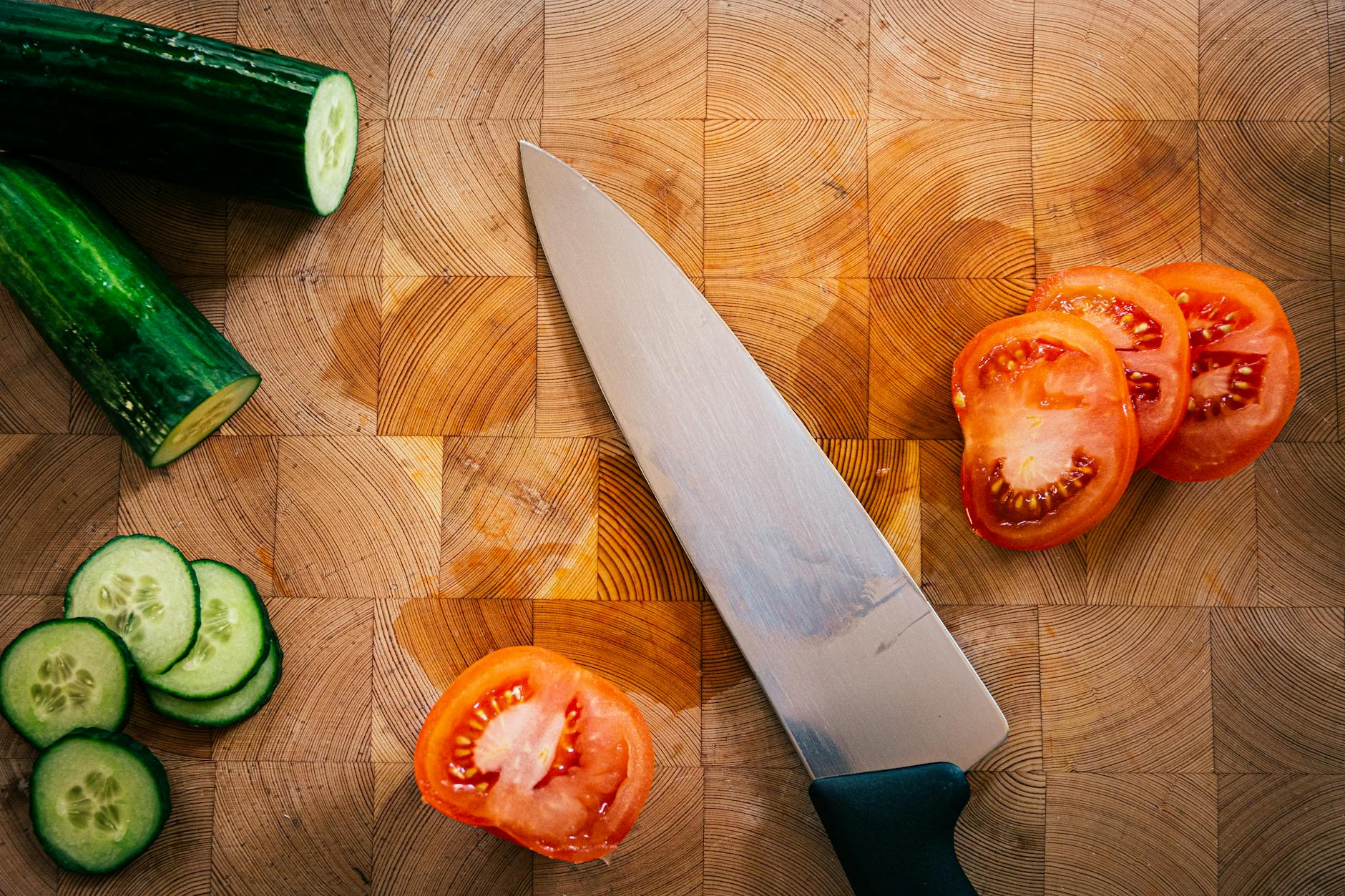
- Cucumbers
- Celery
- Radishes
- Jicama (about 5 g net carbs per cup)
Mushrooms — Umami Without the Carbs
White, cremini, portobello, shiitake, and oyster mushrooms all run 1.5 to 4 g net carbs per cup and add savory depth that helps replace heavier ingredients in low-carb meals.
Summer Squash and Eggplant
Zucchini, yellow squash, and eggplant absorb flavor and bulk up a meal without raising blood sugar. Spiralized zucchini (“zoodles”) replaces pasta with about 3 g net carbs per cup.
Tomatoes
Botanically a fruit, tomatoes count as a low-carb vegetable in meal planning. They supply lycopene, an antioxidant linked to cardiovascular benefits.
How to Build Meals Around Low-Carb Vegetables
The CDC’s “Diabetes Plate Method” makes this easy: fill half your 9-inch plate with non-starchy vegetables, one quarter with lean protein, and one quarter with starch or grains. For more meal-building ideas, see our prediabetes diet guide.
Easy Low-Carb Veggie Meal Ideas
- Big spinach salad with grilled chicken, tomato, cucumber, and olive-oil vinaigrette
- Cauliflower-rice stir-fry with bell peppers, mushrooms, and tofu or shrimp
- Roasted broccoli, Brussels sprouts, and bell peppers as a sheet-pan side
- Zucchini noodles topped with marinara and ground turkey
- Lettuce wraps with seasoned ground beef, salsa, and avocado
- Portobello “buns” replacing bread for a burger
Tips for Eating More Low-Carb Vegetables
- Prep on Sunday. Wash and chop a few cups of greens, peppers, and broccoli to grab through the week.
- Roast a sheet pan twice a week. Olive oil, salt, pepper, 425 °F for 20 minutes — almost anything tastes better.
- Add greens to eggs. A handful of spinach in scrambled eggs adds zero perceived effort.
- Bulk up sauces and soups. Riced cauliflower or chopped zucchini disappears into chili and pasta sauce.
- Frozen counts. Frozen broccoli, spinach, and cauliflower are nutritionally similar to fresh and last for months.
What to Avoid (or Limit)
Starchy vegetables — potatoes, corn, peas, winter squash, sweet potatoes — have 15 g or more carbs per serving and should be portioned as starches, not non-starchy vegetables. See our companion guide to best vegetables for diabetics.
The Bottom Line
Low-carb vegetables — leafy greens, cruciferous vegetables, peppers, mushrooms, zucchini, and tomatoes — are the most powerful food group for managing prediabetes and diabetes. Aim for 3 to 5 cups daily, mix the colors, and let them anchor every plate. Your blood sugar, weight, and cardiovascular system will all benefit.