Pinto beans are the most widely consumed bean in the United States and the workhorse of Mexican-American cuisine. A half-cup cooked serving provides 22 grams of carbohydrate with 7 grams of fiber, 7.5 grams of plant protein, and a glycemic index of approximately 32 — solidly in the low-GI range. The Jenkins Archives of Internal Medicine trial showed substituting legumes for refined grains lowered A1C by 0.5 percentage points over 3 months. Pinto beans produce the documented second-meal effect, improving glucose response at later meals. The complications are mostly culinary — traditional refried beans use lard; restaurant Mexican meals often include large bean portions plus rice plus tortillas, pushing total carb load substantial. With portion awareness and ingredient choices, pinto beans anchor diabetes-friendly Mexican and Tex-Mex meal planning.
Nutrition Profile
| Pinto beans form (½ cup cooked) | Calories | Carbs (g) | Fiber (g) | Protein (g) | Glycemic Index |
|---|---|---|---|---|---|
| Cooked from dry | 117 | 22 | 7 | 7.5 | ~32 |
| Canned, drained | 110 | 21 | 5.5 | 7 | ~32 |
| Canned, rinsed | 110 | 21 | 5.5 | 7 | ~32 |
| Refried (traditional, with lard) | 140 | 20 | 5 | 7 | ~36 |
| Refried (vegetarian) | 120 | 20 | 6 | 7 | ~36 |
| Refried (fat-free) | 90 | 21 | 6 | 7 | ~36 |
| Cooked-then-cooled (resistant starch) | 117 | 22 | 8 | 7.5 | ~28 |
Glycemic Impact
Pinto beans produce a flat, modest glucose response. CGM users typically see peaks 20 to 35 mg/dL above baseline with a half-cup serving — slightly higher than black or kidney beans but still well within the diabetes-friendly range. The combination of soluble fiber, resistant starch, and plant protein produces a slow curve. The second-meal effect means glucose response at subsequent meals is also improved.
Pinto Beans in Mexican Cuisine
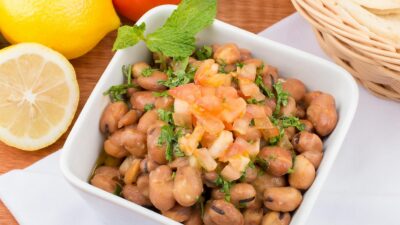
- Frijoles de la olla: pinto beans simmered with onion, garlic, and spices — traditional pot beans.
- Refried beans (frijoles refritos): cooked beans mashed and fried; traditionally with lard, modern versions with vegetable oil.
- Burritos and quesadillas: pinto beans as protein-rich filling.
- Tacos: bean tacos (vegetarian) or beef-and-bean combinations.
- Mexican soup: pinto bean soup, sopa de frijol.
- Tostadas: refried beans as the base layer with vegetables and meat on top.
- Charro beans: pinto beans with bacon, tomato, onion, and cilantro — Tex-Mex side.
Refried Beans — A Closer Look
- Traditional refried beans use rendered pork fat (lard) — adds substantial saturated fat.
- Modern commercial versions often use vegetable oil — lower saturated fat.
- Fat-free refried beans use no added fat — lowest calorie, less rich flavor.
- Sodium varies widely: 300-700 mg per half cup; check labels.
- Homemade: simmer pinto beans, mash with a wooden spoon, sauté in a small amount of olive oil or avocado oil with onion and garlic.
- For adults with type 2 diabetes managing cardiovascular risk, vegetarian or fat-free versions are preferred for daily use.
Pinto Beans vs Other Beans
| Bean (½ cup cooked) | Carbs (g) | Fiber (g) | Protein (g) | Glycemic Index |
|---|---|---|---|---|
| Pinto beans | 22 | 7 | 7.5 | ~32 |
| Black beans | 20 | 7 | 7.5 | ~30 |
| Kidney beans | 20 | 6 | 7.5 | ~28 |
| Navy beans | 24 | 9 | 7.5 | ~31 |
| White beans | 23 | 5.5 | 8 | ~31 |
| Lentils | 20 | 8 | 9 | ~28 |
| Chickpeas | 22 | 6 | 7 | ~28 |
The Tex-Mex Restaurant Strategy
- Restaurant burritos often contain 70-100 g total carbohydrate from beans + rice + tortilla.
- Strategies: order without rice; skip or share the tortilla; choose bean-and-meat fillings.
- Burrito bowl (no tortilla) with beans, meat, lettuce, salsa, guacamole — typically 30-45 g carb.
- Beans as a side dish (½ cup) with grilled fajitas — about 20 g carb from beans.
- Skip the chips and salsa — chips add 20-30 g per typical basket.
- Refried beans add small extra fat; pinto beans straight from the pot are leaner.
Cooking Methods
- From dried: soak overnight, drain, fresh water, simmer 60-90 min.
- Pressure cooker: no soak needed; 25 min high pressure; natural release.
- Slow cooker: pinto beans don’t require pre-boiling like kidney beans; lower PHA content; 6-8 hr on low.
- Canned: rinse and use; convenient.
- Refried: cook plain first, mash, sauté in olive oil with onion and garlic.
- Cooled and reheated develops resistant starch.
Vitamin and Mineral Profile
| Nutrient (½ cup cooked) | Amount | % Daily Value |
|---|---|---|
| Folate | 147 mcg | 37% |
| Manganese | 0.4 mg | 17% |
| Magnesium | 43 mg | 10% |
| Phosphorus | 126 mg | 13% |
| Potassium | 373 mg | 8% |
| Iron | 1.8 mg | 10% |
| Thiamine | 0.2 mg | 17% |
| Copper | 0.2 mg | 22% |
Pairing Strategies
- Pinto beans + brown rice = complete protein.
- Burrito bowl: pinto beans + grilled chicken + lettuce + salsa + guacamole (no tortilla).
- Pinto bean soup with vegetables and chicken — warming meal.
- Charro beans (Tex-Mex pinto beans) as side dish.
- Vegetarian tacos with pinto beans, lettuce, tomato, cheese, salsa.
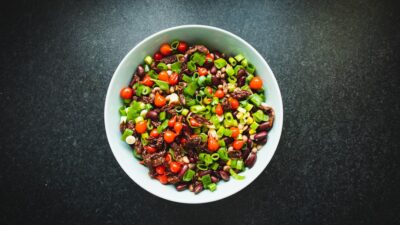
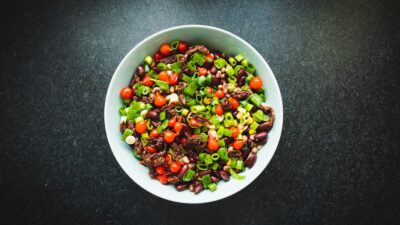
- Pinto bean salad with corn, peppers, lime — Mexican-style cold salad.
- Bean dip with vegetable dippers — low-carb snack.
Sodium Considerations
- Canned pinto beans: 350-500 mg sodium per half cup.
- Rinsing reduces sodium by ~40%.
- Low-sodium canned versions exist.
- Refried beans: 300-700 mg per half cup; varies by brand and fat content.
- Restaurant pinto beans often heavily salted.
- For adults with hypertension, choose low-sodium or home-cook from dried.
Who Should Be Careful
- People with IBS — beans can trigger symptoms; gradual introduction.
- People with chronic kidney disease — moderate potassium and phosphorus.
- People watching saturated fat — choose vegetarian or fat-free refried beans.
- People on warfarin — beans contain modest vitamin K.
- People prone to gas — gradual introduction and Bean-O help.
Practical Daily Strategies
- Keep canned low-sodium pinto beans in the pantry.
- Use in 2-3 meals per week: burrito bowls, soups, salads, side dishes.
- Pair with brown rice for complete protein.
- Make homemade vegetarian refried beans for lower saturated fat.
- Order burrito bowls instead of burritos at restaurants.
- Rinse canned beans to reduce sodium.
The Bottom Line
Pinto beans are the most widely consumed bean in the United States and one of the most diabetes-friendly carbohydrate foods available. A half-cup cooked serving provides 22 g carbohydrate with 7 g fiber (net 15 g), 7.5 g plant protein, and a glycemic index of approximately 32 — solidly low-GI. The Jenkins legume substitution trial showed 0.5 percentage point A1C improvements over 3 months. Pinto beans anchor Mexican and Tex-Mex cuisine — burritos, refried beans, charro beans, soups, salads, tacos. Traditional refried beans use lard; vegetarian and fat-free versions are equivalent for diabetes purposes with less saturated fat. The Tex-Mex restaurant strategy matters: bean-and-meat burritos easily reach 70-100 g carb when combined with rice and tortilla; burrito bowls without tortilla are typically 30-45 g. Pair with brown rice for complete plant protein. For adults with type 2 diabetes who tolerate beans, pinto beans 2-3 times per week is a low-effort, evidence-supported addition to a meal plan. See our broader diabetes diet guide for the framework.