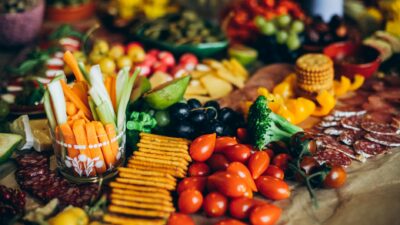
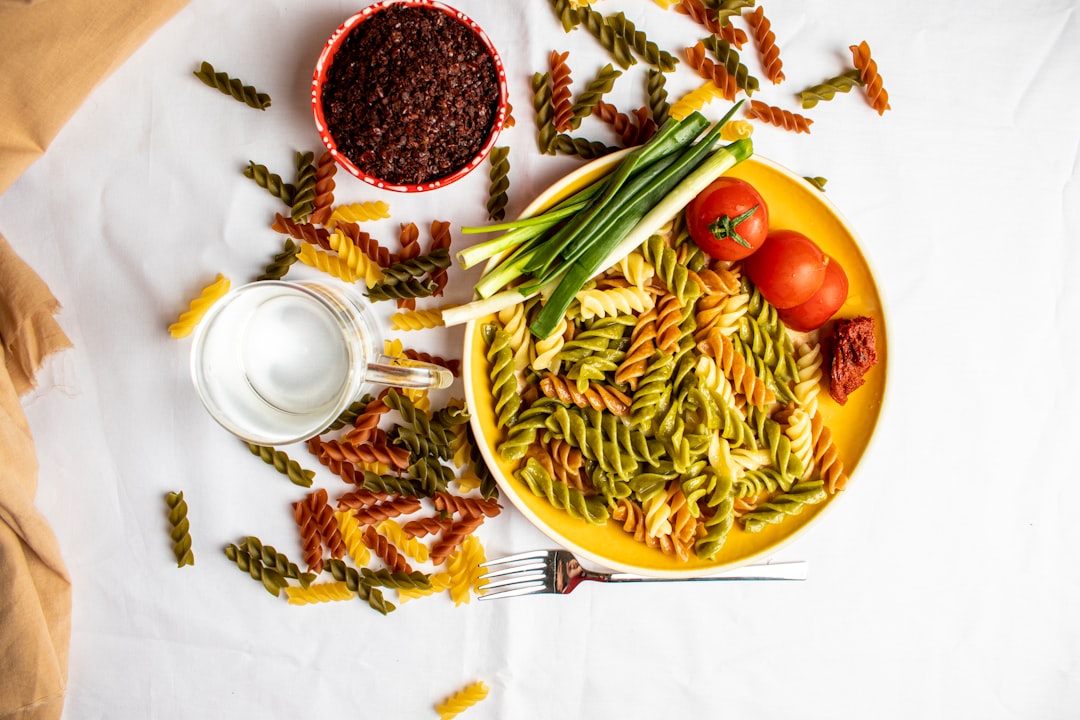
A pre diabetic meal plan doesn’t need to be complicated or expensive. By focusing on affordable staples — beans, eggs, oats, frozen vegetables, and whole grains — you can eat well for about $60-$75 per week while keeping your blood sugar steady. This plan covers breakfast, lunch, dinner, and snacks for seven full days.
How This Meal Plan Works
Each day in this plan targets 1,600-2,000 calories with carbohydrates spread evenly across meals and snacks. The goal is to avoid large carb loads at any single meal, which helps prevent blood sugar spikes.
The CDC’s Diabetes Prevention Program showed that modest dietary changes combined with 150 minutes of weekly activity reduced diabetes risk by 58%. This meal plan aligns with those principles — nothing extreme, just consistent healthy choices.
Daily targets per meal:
- Breakfast: 300-400 calories, 30-40g carbs
- Lunch: 400-500 calories, 35-45g carbs
- Dinner: 450-550 calories, 35-45g carbs
- Snacks (2 per day): 100-150 calories each, 15-20g carbs each
Weekly Meal Plan: Day-by-Day
Monday
Breakfast: Overnight oats — 1/2 cup rolled oats, 1/2 cup unsweetened almond milk, 1 tablespoon chia seeds, 1/4 cup blueberries. Prepare Sunday night, grab from the fridge Monday morning.
Lunch: Black bean quesadilla — 1 whole wheat tortilla, 1/2 cup canned black beans (rinsed), 1/4 cup shredded cheese, salsa. Side of baby carrots.
Dinner: Sheet pan chicken thighs with roasted broccoli and sweet potato. Season 2 bone-in chicken thighs with garlic powder, paprika, salt, and pepper. Roast at 400 degrees F with cubed sweet potato and broccoli florets for 35 minutes.
Snacks: Apple with 1 tablespoon peanut butter. Evening: 1/4 cup mixed nuts.
Tuesday
Breakfast: 2 scrambled eggs with spinach and 1 slice whole wheat toast. Cook the eggs with a handful of fresh or frozen spinach in a small amount of olive oil.
Lunch: Leftover chicken thigh from Monday, shredded over a large mixed green salad with chickpeas, cucumber, tomato, and olive oil-vinegar dressing.
Dinner: Lentil soup — 1 cup dried lentils, diced onion, carrots, celery, canned diced tomatoes, garlic, cumin. Makes 4 servings (freeze extras). Serve with a small whole wheat roll.
Snacks: Celery sticks with 2 tablespoons peanut butter. Evening: 1/2 cup plain Greek yogurt with a sprinkle of cinnamon.
Wednesday
Breakfast: Overnight oats (same as Monday — make 3-4 servings at once for the week).
Lunch: Leftover lentil soup with a side salad.
Dinner: Baked tilapia with roasted zucchini and brown rice. Season tilapia fillets with lemon juice, garlic, and dill. Bake at 400 degrees F for 12-15 minutes. Serve with 1/2 cup cooked brown rice and roasted zucchini.
Snacks: 1 small banana with 10 almonds. Evening: baby carrots with 2 tablespoons hummus.
Thursday
Breakfast: Whole wheat toast with 1/4 mashed avocado and 1 hard-boiled egg. Sprinkle with salt, pepper, and red pepper flakes.
Lunch: Tuna salad wrap — 1 can tuna (drained), 1 tablespoon mayonnaise, diced celery, lemon juice, wrapped in a whole wheat tortilla with lettuce.
Dinner: Chicken stir-fry with frozen mixed vegetables and brown rice. Use 1 tablespoon soy sauce, ginger, and garlic as seasoning. Cook in 1 tablespoon olive oil. Serve over 1/2 cup brown rice.
Snacks: 1/2 cup cottage cheese with cherry tomatoes. Evening: 1 small pear.
Friday
Breakfast: 1/2 cup plain Greek yogurt with 1/4 cup granola (low sugar) and 1/4 cup strawberries.
Lunch: Leftover chicken stir-fry from Thursday.
Dinner: Bean and vegetable chili — canned kidney beans, canned black beans, diced tomatoes, onion, bell pepper, chili powder, cumin. Makes 4 servings (save and freeze extras). Top with a dollop of plain Greek yogurt instead of sour cream.
Snacks: Apple with 1 tablespoon peanut butter. Evening: 1/4 cup mixed nuts.
Saturday
Breakfast: Veggie omelet — 2 eggs, diced bell pepper, onion, spinach, and a sprinkle of cheese. Serve with 1 slice whole wheat toast.
Lunch: Leftover bean chili from Friday with a side of raw veggies.
Dinner: Baked salmon (frozen fillets are budget-friendly) with roasted asparagus and quinoa. Season salmon with olive oil, lemon, and dill. Bake at 400 degrees F for 15 minutes.
Snacks: Celery and carrot sticks with hummus. Evening: 1/2 cup berries.
Sunday
Breakfast: Whole grain pancakes (2 small) made with whole wheat flour and topped with fresh berries. No syrup — the berries provide natural sweetness.
Lunch: Large salad with canned chickpeas, cucumber, tomato, red onion, feta cheese, and olive oil-lemon dressing.
Dinner: Slow cooker pulled chicken — boneless chicken breasts with salsa in the slow cooker for 4-6 hours. Serve in whole wheat tortillas with shredded cabbage and a squeeze of lime.
Snacks: 1/2 cup plain Greek yogurt with cinnamon. Evening: 10 almonds.
Budget Grocery List (One Person, One Week)
This list covers all the meals above, with approximate costs based on US national averages for store brands:
| Category | Items | Estimated Cost |
|---|---|---|
| Protein | Bone-in chicken thighs (2 lbs), chicken breast (1.5 lbs), tilapia fillets (1 lb), frozen salmon (2 fillets), 1 dozen eggs, 2 cans tuna | $18-$22 |
| Grains | Rolled oats (canister), brown rice (1 lb bag), quinoa (small bag), whole wheat tortillas, whole wheat bread, whole wheat flour | $10-$12 |
| Canned/Dried | Dried lentils (1 lb), canned black beans (2), canned kidney beans (1), canned chickpeas (1), canned diced tomatoes (2), salsa (1 jar) | $6-$8 |
| Dairy | Plain Greek yogurt (32 oz), shredded cheese (small bag), cottage cheese (small), feta (small), unsweetened almond milk | $8-$10 |
| Produce | Broccoli, spinach, zucchini, bell peppers, onions, carrots, celery, avocado (1), apples (3), bananas (2), berries (1 pint), lemons (2), garlic, baby carrots, tomatoes, cucumber | $12-$16 |
| Pantry | Olive oil, peanut butter (natural), chia seeds, almonds/mixed nuts (small bag), hummus, low-sugar granola, mayonnaise | $8-$10 |
Estimated total: $62-$78. Costs go down in subsequent weeks because pantry staples (oil, oats, rice, nuts, peanut butter) last multiple weeks.
Budget-Saving Tips
- Buy frozen vegetables and fruits: They are just as nutritious as fresh, often cheaper, and don’t spoil. Frozen broccoli, spinach, mixed stir-fry vegetables, and berries are staples.
- Use dried beans instead of canned: A 1-pound bag of dried beans costs about $1.50 and yields 5-6 cups cooked (equivalent to 3-4 cans at $1 each). Soak overnight and cook in batches.
- Buy store brands: Store-brand oats, beans, canned tomatoes, and frozen vegetables are nutritionally identical to name brands at 20-40% lower cost.
- Batch cook on Sunday: Make a big pot of soup or chili, cook a batch of brown rice, prep overnight oats for 3-4 days, and hard-boil 6 eggs. This saves both time and money by reducing food waste.
- Shop seasonal produce: In-season fruits and vegetables are cheaper and taste better. Use frozen when fresh is expensive or out of season.
Meal Prep Strategy: The Sunday Setup
Spending 60-90 minutes on Sunday saves hours during the week and keeps you from reaching for fast food or convenience meals that spike blood sugar:
- Cook grains in bulk: Make 3-4 cups of brown rice or quinoa. Store in the fridge for up to 5 days.
- Prep overnight oats: Make 3-4 jars for Monday, Wednesday, and Friday breakfasts.
- Hard-boil eggs: Cook 6 eggs. They last 5-7 days in the fridge and serve as quick breakfasts or snacks.
- Wash and chop vegetables: Cut carrots, celery, bell peppers, and broccoli. Store in containers with a damp paper towel.
- Make a big batch of soup or chili: This becomes 3-4 lunches or dinners throughout the week. Freeze portions you won’t eat within 3 days.
How to Adjust This Plan for Your Needs
This meal plan is a starting point. Here’s how to customize it:
- Need more calories: Add an extra snack, increase grain portions to 3/4 cup, or add a tablespoon of olive oil to meals.
- Need fewer calories: Reduce grain portions to 1/3 cup, skip the evening snack, or use smaller tortillas.
- Vegetarian: Replace chicken and fish with extra beans, lentils, tofu, or eggs. The protein sources in this plan are already flexible.
- Don’t like a specific food: Swap within categories — any non-starchy vegetable for another, any whole grain for another, any lean protein for another.
For a more detailed look at which foods to prioritize, see our best foods for prediabetes guide. You may also find our prediabetes diet plan helpful for understanding the nutritional principles behind this meal plan.
Common Mistakes to Avoid
Even with a solid meal plan, these common missteps can undermine your progress:
- Skipping meals: Going too long without eating leads to overeating later and larger blood sugar swings. Eat every 3-4 hours.
- Drinking your calories: Juice, sweetened coffee drinks, and soda add sugar without fiber to slow absorption. Stick to water, unsweetened tea, or black coffee.
- Ignoring portion sizes: Even healthy foods like brown rice and nuts are calorie-dense. Measure portions until you get a feel for correct amounts.
- Going too restrictive: Extreme diets rarely last. A moderate plan you follow for months is far more effective than a strict plan you abandon after two weeks.
The Bottom Line
A pre diabetic meal plan built on affordable staples — oats, beans, eggs, frozen vegetables, whole grains, and lean proteins — can effectively manage blood sugar without straining your budget. The key is consistency: spread carbohydrates evenly across meals, batch cook to save time, and focus on whole foods over processed ones. This weekly plan provides a practical starting point, but talk to your doctor or a registered dietitian to adjust it to your individual calorie and carbohydrate needs.