Quinoa for diabetes is a moderate-GI pseudo-grain (technically a seed) with 39 g of carbs, 5 g of fiber, and 8 g of complete protein per cooked cup — a glycemic load of about 17 and a meaningful upgrade over white rice. The seed contains all nine essential amino acids, which is rare for a plant food, plus high magnesium, iron, and manganese. A practical diabetes-friendly portion is 1/2 to 3/4 cup cooked, rinsed before cooking to remove bitter saponins, and paired with protein and non-starchy vegetables. Cooling cooked quinoa overnight produces resistant starch that lowers the reheated glycemic response by 10 to 20 percent.
Nutrition Facts at a Glance
| Serving | Calories | Carbs | Fiber | Net Carbs | Protein | Fat |
|---|---|---|---|---|---|---|
| 1/4 cup dry quinoa | 156 | 27 g | 3 g | 24 g | 6 g | 2.5 g |
| 1/2 cup cooked quinoa | 110 | 20 g | 2.5 g | 17.5 g | 4 g | 1.8 g |
| 3/4 cup cooked quinoa | 165 | 29 g | 3.8 g | 25 g | 6 g | 2.7 g |
| 1 cup cooked quinoa | 220 | 39 g | 5 g | 34 g | 8 g | 3.5 g |
Glycemic Index and Load
- GI: approximately 53 (moderate)
- GL for 1/2 cup cooked: approximately 9
- GL for 1 cup cooked: approximately 17
- Comparison: white jasmine rice GL 40+, basmati GL 22-26, brown rice GL 25-30, oats (rolled, cooked) GL 13
Quinoa vs Other Grains and Pseudo-Grains
| Grain (1 cup cooked) | GI | Carbs | Fiber | Protein |
|---|---|---|---|---|
| Quinoa | 53 | 39 g | 5 g | 8 g |
| White jasmine rice | 89-94 | 45 g | 0.6 g | 4 g |
| Basmati rice (white) | 50-58 | 45 g | 0.8 g | 4 g |
| Brown rice | 50-68 | 45 g | 3.5 g | 5 g |
| Rolled oats (cooked) | 55 | 27 g | 4 g | 6 g |
| Barley (pearl, cooked) | 28 | 44 g | 6 g | 4 g |
| Buckwheat groats | 45 | 33 g | 5 g | 6 g |
| Farro | 45 | 47 g | 5 g | 9 g |
Quinoa Varieties
- White (ivory) quinoa: mildest flavor, fluffiest texture, most common
- Red quinoa: earthier flavor, slightly firmer, holds shape in salads
- Black quinoa: sweetest flavor, contains anthocyanins (the same antioxidants in blueberries)
- Tri-color blends: mix of all three — convenient and visually appealing
Nutrition is similar across varieties. Black and red have a small antioxidant edge from their pigments.
How to Cook Quinoa
- Measure 1 cup of dry quinoa
- Rinse in a fine-mesh sieve under cold water for 30 to 60 seconds — the water should run clear
- Add to a saucepan with 2 cups of water (1:2 ratio) and a pinch of salt
- Bring to a boil, then reduce to low and cover
- Simmer for 15 minutes — do not lift the lid
- Remove from heat and rest covered for 5 minutes
- Fluff with a fork; you should see the small white “tail” (germ) curl out
One cup of dry quinoa yields about 3 cups cooked.
The Resistant Starch Trick
Cooking quinoa, then cooling it in the refrigerator for at least 12 hours, then reheating creates resistant starch — a form of starch that behaves like fiber. This:
- Lowers the glycemic response of the reheated meal by 10 to 20 percent
- Feeds beneficial gut bacteria
- Works for quinoa salads served cold or for reheated leftovers
- Makes batch-cooking on the weekend a useful glucose-control strategy
Pair Quinoa Like This
- Protein: salmon, chicken thigh, tofu, lentils, chickpeas, hard-boiled egg
- Healthy fat: olive oil, avocado, tahini, pumpkin seeds, walnuts
- Non-starchy vegetables: roasted broccoli, peppers, zucchini, leafy greens, mushrooms
- Acid: lemon juice, vinegar, or fermented vegetables for additional glucose-blunting
Sample Diabetes-Friendly Quinoa Bowls
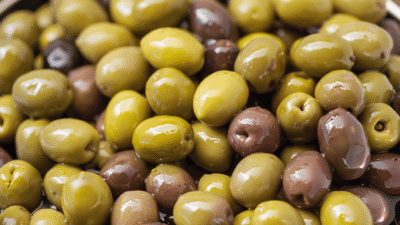
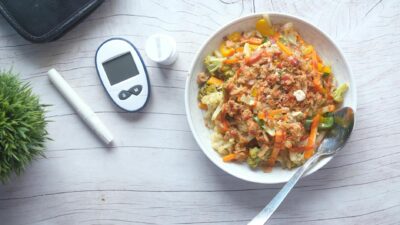
- Mediterranean: 1/2 cup quinoa, grilled chicken, cucumber, tomato, feta, kalamata olives, olive oil, lemon
- Mexican: 1/2 cup quinoa, black beans, salsa, avocado, lime, cilantro, queso fresco
- Asian: 1/2 cup quinoa, salmon, edamame, bok choy, sesame oil, ginger, scallions
- Breakfast: 1/2 cup quinoa, scrambled eggs, sauteed spinach, avocado, salsa
- Buddha bowl: 1/2 cup quinoa, roasted sweet potato (small portion), chickpeas, kale, tahini dressing
Pre-Cooked and Convenience Options
- Frozen pre-cooked quinoa (microwave 3 to 4 minutes) — convenient and works well for portion control
- Microwavable quinoa pouches — read labels for added oils or salt
- Quinoa flakes — faster cooking but higher GI than whole seed
- Quinoa flour — for baking; behaves more like a regular flour glycemically
Related Reading
See our broader guides on diet and nutrition, grapefruit for diabetes, and chia seeds for diabetes.
The Bottom Line
Quinoa is a moderate-GI pseudo-grain with a useful combination of complete protein, soluble and insoluble fiber, magnesium, and iron — a meaningful upgrade over white rice for blood sugar management. A 1/2 to 3/4 cup cooked portion provides 17 to 26 g of net carbs and pairs naturally with the protein, vegetables, and fat that any diabetes-friendly meal calls for. Rinse before cooking to remove saponins. Cool cooked quinoa overnight for the resistant starch advantage on reheating. While not a “free” food, quinoa fits comfortably into a structured meal plan and tends to produce smaller post-meal glucose excursions than equivalent portions of rice or pasta. Test your own response with a CGM or finger-stick to find the portion size that works best for you.