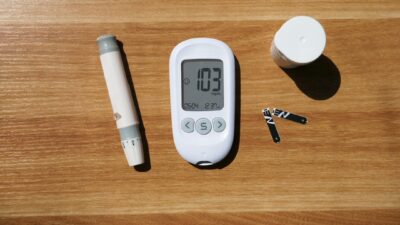
A fasting blood glucose of 102 mg/dL sits just above the normal cutoff of 100 mg/dL, placing you at the very edge of impaired fasting glucose (IFG) – a form of prediabetes. It is not diabetes, but it is a clear signal that your body is beginning to struggle with blood sugar regulation and deserves prompt attention.
What 102 mg/dL Means in Context
The American Diabetes Association defines normal fasting glucose as below 100 mg/dL. Readings from 100 to 125 mg/dL qualify as impaired fasting glucose, and 126 mg/dL or higher on two separate tests confirms diabetes. A value of 102 is only 2 points into the IFG range, but the category matters because research shows even mildly elevated fasting glucose doubles your long-term cardiovascular risk.
For a broader overview of glucose categories, see our prediabetes guide.
Fasting Glucose Reference Ranges
| Fasting Glucose (mg/dL) | Category |
|---|---|
| Below 100 | Normal |
| 100 – 125 | Impaired Fasting Glucose (Prediabetes) |
| 126 or higher | Diabetes (requires confirmation) |
Why Your Fasting Glucose Rose to 102
Fasting glucose reflects how well your liver and pancreas regulate blood sugar overnight. When you haven’t eaten for 8+ hours, your liver steadily releases glucose, and insulin keeps that release in check. A fasting reading of 102 usually indicates one of three things:
- Early insulin resistance – your muscle and liver cells are less responsive to insulin, so more glucose stays in the bloodstream.
- Dawn phenomenon – overnight cortisol and growth hormone pulses push liver glucose output higher in the pre-dawn hours.
- Hidden factors – poor sleep, chronic stress, medications (steroids, thiazides, some antidepressants), or undiagnosed sleep apnea can all elevate fasting numbers.
Confirming the Diagnosis
A single fasting reading of 102 is not enough to label you with prediabetes. Labs vary by 2-3 mg/dL, and stress, illness, or an unusually late dinner can shift results. Standard practice is to confirm with one of these:
- Repeat fasting glucose on a different morning.
- Hemoglobin A1C – 5.7% to 6.4% confirms prediabetes.
- Oral glucose tolerance test (OGTT) – a 2-hour value of 140-199 mg/dL confirms prediabetes.
Many people with fasting glucose of 102 have a normal A1C, which reflects better post-meal control. Others show the opposite pattern. Getting both tests paints a complete picture.
How to Bring 102 Back Below 100
The Diabetes Prevention Program (DPP), a landmark NIH trial, showed that lifestyle changes reduced progression to type 2 diabetes by 58% in people with prediabetes – more effective than metformin. The key interventions:
- Lose 5-7% of body weight if overweight. A 180-pound adult losing 10-12 pounds typically sees fasting glucose drop 8-15 mg/dL.
- Exercise 150 minutes per week, mixing brisk walking or cycling with two strength sessions. Muscle contraction pulls glucose from the blood without needing insulin.
- Eat more fiber (30+ grams daily) from vegetables, legumes, nuts, and whole grains.
- Cut sugary drinks and refined carbs, which drive insulin resistance.
- Prioritize 7-8 hours of sleep. Just one week of 5-hour nights raises fasting glucose measurably.
For structured meal guidance, our diet and nutrition hub walks through plate composition, portion sizes, and swap ideas.
When to Talk to Your Doctor
Schedule a visit if your fasting glucose stays above 100 on two separate tests, if you have symptoms like increased thirst or urination, or if you have additional risk factors such as a BMI over 25, family history, hypertension, or gestational diabetes history. Your provider may order an A1C, check cholesterol and blood pressure, and discuss whether metformin is appropriate – though lifestyle change remains first-line therapy.
What to Expect Going Forward
Most people who catch prediabetes at 102 and commit to lifestyle changes see fasting glucose return to normal within 3-6 months. Track your numbers every 3 months until you are consistently below 100, then shift to annual monitoring. Learn more about reversing prediabetes for a step-by-step roadmap.
The Bottom Line
A fasting glucose of 102 mg/dL technically crosses into prediabetes territory but sits at the most reversible edge of the spectrum. Confirm with a second test and an A1C, then treat it as an early wake-up call. Modest weight loss, regular movement, more fiber, and better sleep can return your numbers to the safe zone within months. Work with your doctor to build a plan that fits your life.