Impaired fasting glucose (IFG) is a form of prediabetes defined by a fasting plasma glucose between 100 and 125 mg/dL. It means your body is no longer holding overnight blood sugar in the normal range, and without intervention you face a meaningfully higher risk of type 2 diabetes within the next decade.
What Impaired Fasting Glucose Means
After an 8-hour fast, a healthy pancreas and liver keep blood glucose below 100 mg/dL. When that system starts to slip, your morning number drifts upward. The American Diabetes Association set the cutoff at 100 mg/dL in 2003, lowering it from the previous 110 mg/dL to catch dysglycemia earlier. Anyone with a confirmed fasting value of 100-125 mg/dL has IFG; at 126 mg/dL or higher on two separate days, the diagnosis becomes type 2 diabetes.
IFG reflects two biological problems working together. Your liver is releasing too much glucose overnight (hepatic insulin resistance), and your pancreatic beta cells are not releasing enough first-phase insulin to shut that release down quickly in the morning. This is a different defect than impaired glucose tolerance, which shows up after meals. Many people have one without the other, which is why ADA recommends pairing fasting glucose with an A1C test when screening.
How the Test Works
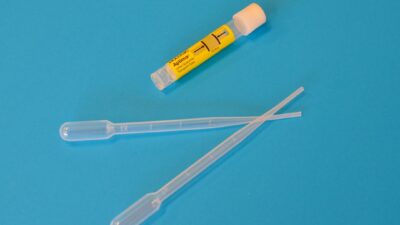
A fasting plasma glucose (FPG) test is a single venous blood draw taken after at least 8 hours without caloric intake. Water, black coffee, and most medications are allowed. Your lab processes the sample using a hexokinase or glucose oxidase enzymatic method, both highly standardized and accurate within +/- 2-3 mg/dL. The number you see on your report is plasma glucose in mg/dL (US) or mmol/L (most other countries).
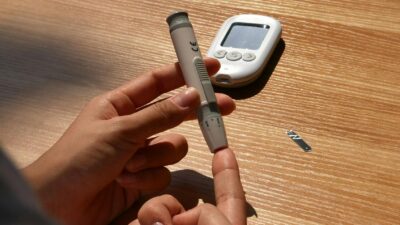
For a fingerstick home monitor, the reading is whole-blood glucose, which typically runs 10-15% lower than plasma. Home meters are useful for trends but should not be used to diagnose IFG. Only a venous lab sample qualifies for ADA diagnostic criteria.
Accuracy and What Can Skew the Result
Fasting glucose is reasonably reproducible, but day-to-day variation of 5-10 mg/dL is normal. Several factors can push your number up artificially: acute illness or infection, recent corticosteroid use, poor sleep the night before, a high-fat dinner, or breaking the fast with anything containing calories. The dawn phenomenon, a natural early-morning cortisol surge, can also add 5-15 mg/dL.
Because of this variability, ADA requires two abnormal results on separate days (either two FPGs, two A1Cs, or one of each) before IFG or diabetes is confirmed, unless you have classic symptoms such as unexplained weight loss or polyuria.
Fasting Glucose Ranges at a Glance
| Fasting Plasma Glucose | Category | What It Means |
|---|---|---|
| Under 100 mg/dL | Normal | No action beyond routine screening |
| 100-125 mg/dL | Impaired fasting glucose (prediabetes) | Lifestyle intervention; retest in 6-12 months |
| 126 mg/dL or higher (x2) | Type 2 diabetes | Medical management, often metformin + lifestyle |
When to Use the Fasting Glucose Test
ADA recommends screening every adult starting at age 35, or earlier if you have a BMI over 25 plus one additional risk factor (family history, high blood pressure, PCOS, prior gestational diabetes, or non-white ancestry). FPG is cheap, widely available, and particularly good at catching hepatic insulin resistance. If you have a normal A1C but a family history of diabetes, adding an FPG can uncover IFG that the A1C misses in about 20-30% of cases.
What to Do After an IFG Result
The evidence base is unusually strong here. The Diabetes Prevention Program, a large NIH-funded randomized trial, showed that modest lifestyle changes cut three-year progression to diabetes by 58%. The winning formula was losing 5-7% of body weight, walking or exercising 150 minutes a week, and trimming refined carbohydrates. Metformin reduced risk by 31% and is an ADA-endorsed option for people under 60 with a BMI over 35 or a history of gestational diabetes. Explore the prediabetes diet and treatment hubs for specifics.
The Bottom Line
Impaired fasting glucose is an early, reversible stage of glucose dysregulation. A confirmed fasting value of 100-125 mg/dL puts you at 5-10% annual risk of progressing to type 2 diabetes, but structured lifestyle change can cut that risk by more than half. Pair your fasting glucose with A1C, confirm any abnormal reading on a second day, and talk to your clinician about a DPP-style plan.