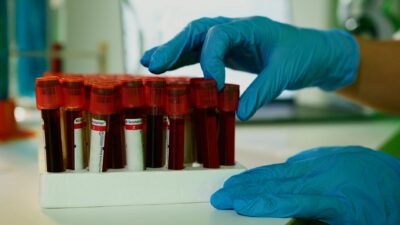
An A1C of 6.7 percent sits in the type 2 diabetes range, which starts at 6.5 percent per the American Diabetes Association. It corresponds to an average glucose of about 146 mg/dL over the past three months. At this level, complications are not yet common, but the risk starts climbing, and the standard goal is to bring A1C back under 7.0 percent (many patients aim for under 6.5) through lifestyle, medication, or both.
What the Number Means
A1C measures the percentage of hemoglobin molecules in your red blood cells that have glucose stuck to them. The higher and longer your blood sugar sits, the more hemoglobin gets coated. An A1C of 6.7 means roughly 6.7 percent of your hemoglobin is glycated, which works out to an average glucose of 146 mg/dL. You can translate any A1C to average glucose using the Nathan equation: average glucose (mg/dL) = 28.7 x A1C – 46.7. See the A1C levels hub for the full conversion chart.
Where 6.7 Falls on the Spectrum
| A1C (%) | Average glucose (mg/dL) | Category |
|---|---|---|
| Below 5.7 | Below 117 | Normal |
| 5.7-6.4 | 117-137 | Prediabetes |
| 6.5 | 140 | Diabetes threshold |
| 6.7 | 146 | Mild diabetes |
| 7.0 | 154 | Common treatment target |
| 8.0 | 183 | Elevated diabetes |
At 6.7, you are 0.2 points into the diabetes range. This is the early end of type 2 diabetes, where lifestyle changes still have substantial power and insulin requirements, if any, are modest. For context on how clinicians interpret results, see the prediabetes 101 hub, which covers the full spectrum.
Complication Risk at 6.7
The UK Prospective Diabetes Study, published in The Lancet in 1998, followed 3,867 newly-diagnosed type 2 diabetes patients and showed that each 1 percentage-point A1C reduction cut microvascular complications (eye, kidney, nerve) by 37 percent, heart attack risk by 14 percent, and diabetes-related death by 21 percent. At 6.7, you have not yet accumulated years of high glucose, which is why early treatment pays off disproportionately.
What Usually Caused the 6.7
Most people arrive at 6.7 through a combination of gradual weight gain, insulin resistance from physical inactivity, a high-glycemic diet, genetic predisposition, and age. Common patterns include steady 1-2 pound yearly weight gain across middle age, desk-based work with minimal walking, multiple servings of refined grains and sugary drinks daily, and a parent or sibling with type 2 diabetes. These drivers are modifiable even after diagnosis.
How to Lower 6.7 Through Lifestyle
The Diabetes Prevention Program and the 2018 DiRECT trial both showed A1C is modifiable. Target 7 percent body weight loss through a Mediterranean- or DASH-style diet (see the diet and nutrition hub). Walk 150 minutes weekly and add two resistance-training sessions. Sleep seven to eight hours. Cut sugary drinks completely and limit refined grains. Together these produce a 0.5 to 1.5 point A1C drop over three to six months.
Medication Options
If lifestyle alone does not bring A1C under goal within three to six months, medication is added. Metformin is first-line and lowers A1C by 1.0 to 1.5 points. GLP-1 agonists (semaglutide, tirzepatide) lower A1C by 1.5 to 2.0 points and also produce weight loss. SGLT-2 inhibitors lower A1C by 0.5 to 1.0 points and provide cardiovascular and kidney benefit. For a full breakdown, see the treatment hub. Most 6.7-level patients do not need insulin.
What Home Glucose Looks Like
At A1C 6.7, typical fasting glucose runs 120-140 mg/dL and one-to-two-hour post-meal glucose runs 160-220 mg/dL. Bedtime glucose often sits at 110-140. These are not symptomatic ranges; most patients feel fine. A CGM shows time-in-range (70-180 mg/dL) of roughly 65-75 percent, below the 70 percent target.
Targets and Follow-Up
The standard A1C target for most adults with type 2 diabetes is under 7.0 percent, with under 6.5 percent for younger, low-risk patients. Re-check A1C every three months until you are under goal, then every six months. Have an eye exam annually, a urine albumin test annually, and a foot exam at every visit. Blood pressure under 130/80 and LDL cholesterol under 70-100 mg/dL further reduce complication risk.
Can an A1C of 6.7 Go Back to Normal?
Yes. The DiRECT trial, published in The Lancet in 2018, showed 46 percent of patients within six years of diagnosis achieved diabetes remission (A1C under 6.5 off medication) after a 12-week very-low-calorie diet plus structured maintenance. The earlier the intervention and the more weight lost, the higher the remission rate. At 6.7, you are squarely in the window where reversal is realistic.
The Bottom Line
An A1C of 6.7 percent is early type 2 diabetes with an average glucose of 146 mg/dL. Complication risk is still low, and the number is still responsive to change. Target 5-7 percent weight loss, 150 minutes of weekly exercise, and a Mediterranean-style diet. Add metformin or a GLP-1 agonist if needed. Re-check at 12 weeks and aim for under 7.0.