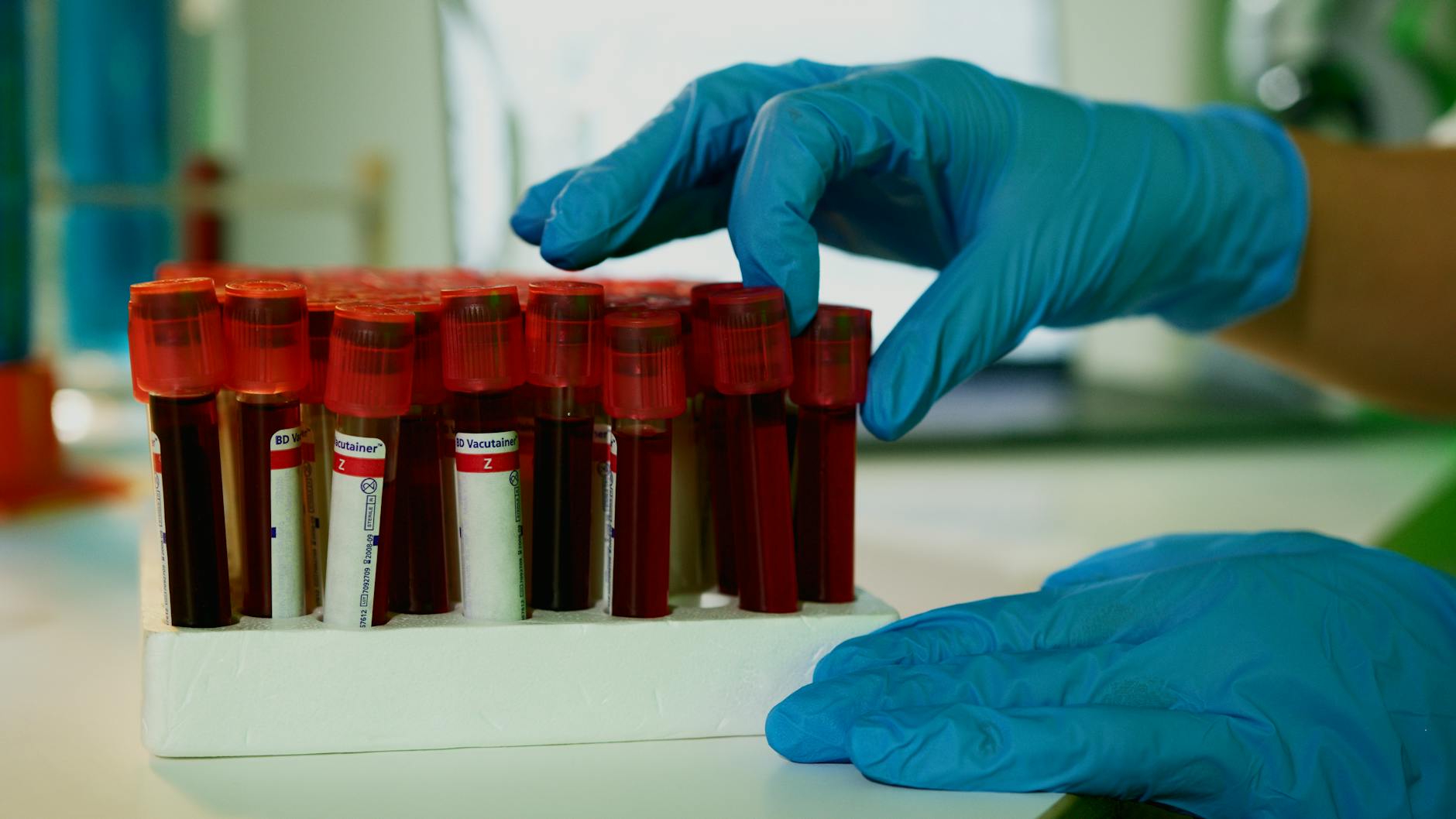
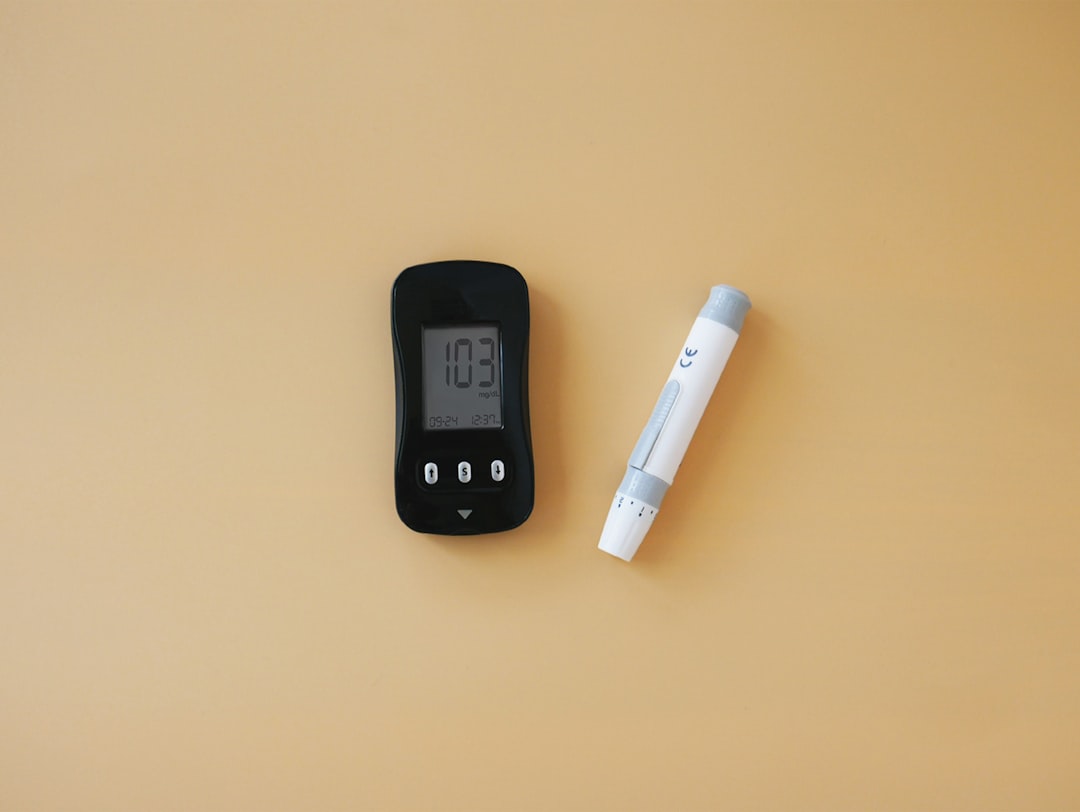
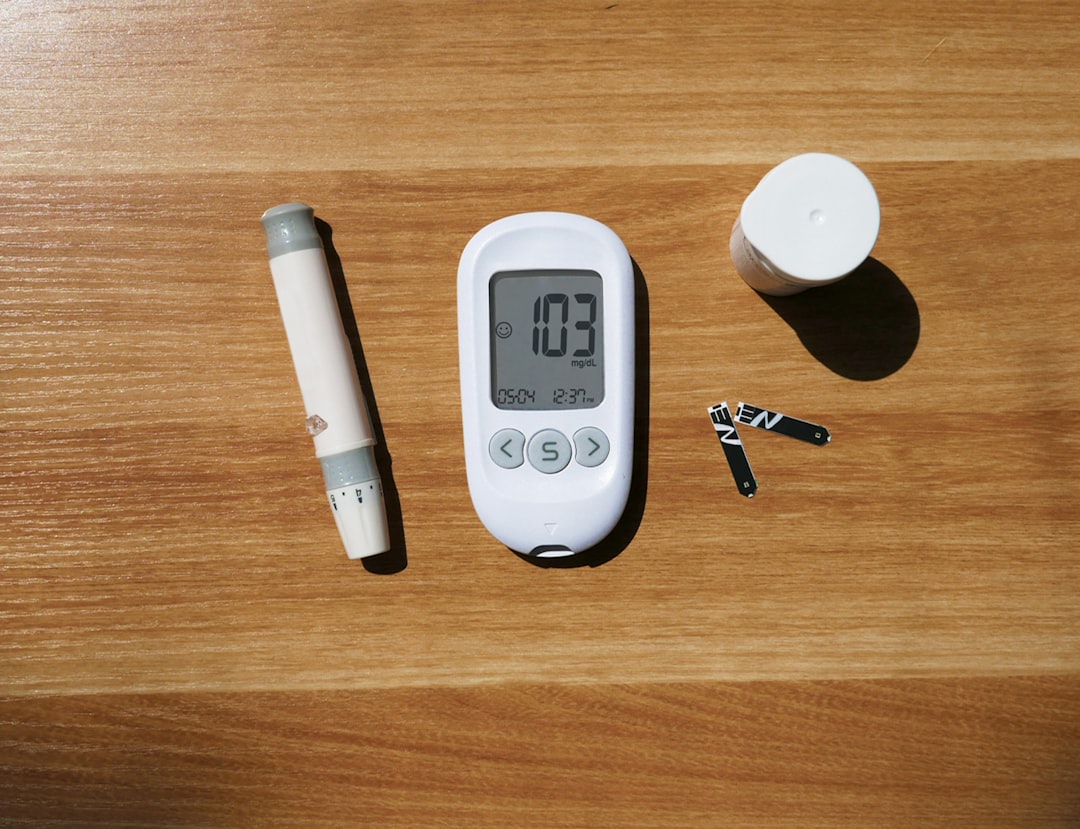
A1C and fasting glucose are the two most common blood tests used to screen for prediabetes and diabetes. A1C measures your average blood sugar over the past 2-3 months, while fasting glucose measures your blood sugar level at a single point in time after an overnight fast. Both are valuable, but they tell different stories — and sometimes they disagree.
What Each Test Measures
A1C (Hemoglobin A1C)
The A1C test measures the percentage of hemoglobin in your red blood cells that has glucose attached to it (glycated hemoglobin). Since red blood cells live for about 120 days, A1C reflects your average blood sugar over the previous 2-3 months. A higher A1C means more glucose has been circulating in your blood over that period.
Fasting Plasma Glucose (FPG)
The fasting glucose test measures the concentration of glucose in your blood after you haven’t eaten for at least 8 hours (typically overnight). It provides a snapshot of your blood sugar at that specific moment, reflecting how well your body manages glucose when you haven’t eaten.
Head-to-Head Comparison
| Feature | A1C | Fasting Glucose |
|---|---|---|
| What it measures | Average blood sugar over 2-3 months | Blood sugar at one point in time |
| Fasting required? | No | Yes (8+ hours) |
| Normal range | Below 5.7% | Below 100 mg/dL |
| Prediabetes range | 5.7% – 6.4% | 100-125 mg/dL |
| Diabetes range | 6.5% or higher | 126 mg/dL or higher |
| Day-to-day variability | Low — reflects months of data | High — stress, sleep, illness affect it |
| Time of day matters? | No | Yes — must be morning, fasted |
| Affected by anemia? | Yes — can distort results | No |
| Cost | Slightly higher | Lower |
| Convenience | High — no fasting, any time | Lower — requires overnight fast |
Accuracy: Strengths and Limitations
A1C Strengths
The A1C test’s biggest advantage is stability. Because it averages blood sugar over months, a single stressful night or skipped meal won’t skew the result. It also doesn’t require fasting, making it more convenient for both patients and healthcare providers.
A1C Limitations
Several conditions can make A1C results inaccurate:
- Iron-deficiency anemia: Can falsely raise A1C results
- Hemoglobin variants: Common in people of African, Mediterranean, or Southeast Asian descent — certain variants can cause falsely high or low readings
- Recent blood loss or transfusion: Disrupts the normal red blood cell lifespan
- Kidney disease: Can affect A1C accuracy
- Pregnancy: A1C may be less reliable due to changes in red blood cell turnover
Fasting Glucose Strengths
Fasting glucose is straightforward, inexpensive, and not affected by hemoglobin conditions. It provides an immediate, easy-to-understand number that directly reflects how well your body is controlling blood sugar overnight.
Fasting Glucose Limitations
The main weakness of fasting glucose is variability. Your result can be affected by:
- Poor sleep the night before
- Stress or illness
- Caffeine consumption
- How long you actually fasted
- The “dawn phenomenon” — a natural rise in blood sugar in the early morning hours
According to the American Diabetes Association, a single fasting glucose test should be confirmed with a repeat test on a different day before making a diagnosis.
Can These Tests Disagree?
Yes — and it happens more often than you might think. Research shows that A1C and fasting glucose don’t always identify the same people as having prediabetes. There are several reasons for this:
- Different aspects of blood sugar regulation: Some people have normal fasting glucose but experience high blood sugar spikes after meals. A1C may catch this pattern while fasting glucose misses it.
- Dawn phenomenon: Some people have elevated morning blood sugar due to hormonal cycles, which raises fasting glucose but may not significantly impact A1C.
- Hemoglobin conditions: As noted above, conditions affecting red blood cells can make A1C unreliable.
- Race and ethnicity: Studies have shown that A1C levels may be slightly higher in Black, Hispanic, and Asian individuals compared to white individuals with the same average blood sugar levels. The clinical significance of this is debated.
If one test is in the prediabetes range but the other is normal, your doctor will typically recommend monitoring and possibly retesting. Having either test in the prediabetes range is a signal worth taking seriously.
When Doctors Use Each Test
Most physicians have a preferred approach, but guidelines from the ADA accept either test for screening and diagnosis:
- Routine screening: A1C is often preferred because it doesn’t require fasting and can be done at any office visit.
- Confirming a diagnosis: Many doctors order both tests for confirmation, or repeat the same test on a separate day.
- Monitoring prediabetes over time: A1C is preferred for tracking progress because it reflects your overall trend rather than a single day’s result.
- When A1C may be inaccurate: Fasting glucose or an oral glucose tolerance test (OGTT) is preferred for people with anemia, hemoglobin variants, or other conditions that affect A1C reliability.
For a broader understanding of how these tests fit into prediabetes detection, see our guide on prediabetes basics.
What to Do If Your Results Are Borderline
If either your A1C or fasting glucose falls in the prediabetes range, take it seriously:
- Get retested: A single test isn’t enough for diagnosis. Ask for a confirmatory test.
- Request the other test: If you only had A1C, ask for fasting glucose too (and vice versa). Getting both gives a fuller picture.
- Start lifestyle changes: Don’t wait for a confirmed diagnosis. Improving your diet and adding physical activity benefits you regardless of test results.
- Track your progress: An A1C chart can help you understand where your levels fall and set goals for improvement.
The Bottom Line
A1C and fasting glucose are complementary tests, not competitors. A1C gives you the big picture — your average blood sugar over months — while fasting glucose offers a snapshot that’s useful for day-to-day monitoring. Since these tests can disagree, many doctors prefer using both. If either test suggests prediabetes, follow up with your healthcare provider. Early detection gives you the best chance of reversing prediabetes before it progresses.