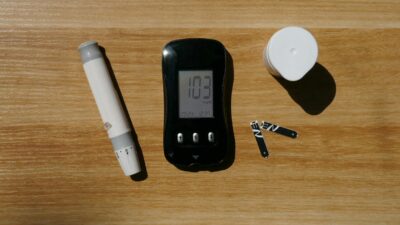
The dawn phenomenon is an early-morning rise in blood sugar caused by a natural surge of hormones — mostly cortisol, growth hormone, glucagon, and epinephrine — that prompts the liver to release glucose. It typically occurs between 3 and 8 a.m. and can make fasting readings higher than bedtime values even without eating.
What the Dawn Phenomenon Is
In healthy physiology, counter-regulatory hormones rise in the pre-dawn hours to prepare the body for the day. They signal the liver to produce glucose so you have fuel to wake up and move. In someone without diabetes, the pancreas simply matches this rise with extra insulin and fasting glucose stays in range.
When insulin is limited or less effective — as in type 1 and type 2 diabetes, and sometimes in prediabetes — the hormone-driven glucose release is not fully offset. The result is a gradual climb in blood sugar through the early morning. This is different from simply eating a high-carb bedtime snack; the dawn phenomenon can show up even after a light dinner.
Who Is Affected
The dawn phenomenon is most often described in people with type 1 diabetes because their basal insulin is fixed and cannot respond automatically. However, a meaningful share of people with type 2 diabetes and prediabetes also show the pattern. If you have been tracking your own numbers and are new to the topic, our primer on A1C levels helps put fasting values into context.
Why It Happens
Several overlapping mechanisms drive the early-morning rise.
- Growth hormone pulse: Peaks during deep sleep and reduces insulin sensitivity in the liver.
- Cortisol rise: Climbs in the hours before waking and stimulates gluconeogenesis (new glucose production).
- Glucagon release: Signals the liver to break down stored glycogen into glucose.
- Reduced insulin sensitivity at night: Many tissues are less responsive to insulin in the very early morning.
Together these signals push fasting glucose upward, sometimes by 20-50 mg/dL or more over the pre-dawn hours.
Dawn Phenomenon vs. Somogyi Effect
A high morning reading can also come from the Somogyi effect — a rebound high after an unrecognized overnight low. Telling the two apart is critical because the treatments move in opposite directions. The dawn phenomenon sometimes calls for more overnight insulin coverage, while the Somogyi effect calls for less. Guessing wrong can make control worse.
| Clue | Dawn Phenomenon | Somogyi Effect |
|---|---|---|
| 2-3 a.m. glucose | Normal or gradually rising | Low (often < 70 mg/dL) |
| Pattern before waking | Steady climb | Dip then steep rebound |
| Overnight symptoms | Usually none | Sweating, nightmares, restless sleep |
| Typical trigger | Hormonal cycle | Too much evening insulin, missed snack, alcohol |
A continuous glucose monitor makes this distinction far easier, but a few nights of manual 2-3 a.m. checks can work if a CGM is not available.
How to Identify the Pattern
According to the NIDDK, reviewing glucose logs at bedtime, during the night, and upon waking is the most practical way to pin down overnight patterns. A simple approach:
- Record blood sugar at bedtime.
- Check again between 2 and 3 a.m. (or review CGM data).
- Record fasting blood sugar on waking, before any food or coffee.
- Repeat for 3-7 nights and look for consistent trends rather than a single data point.
Keep a note of dinner time, evening activity, and any alcohol, since all of these influence the pattern.
Lifestyle Strategies That May Help
Before reaching for medication changes, several routine adjustments may reduce the dawn rise for some people. Results vary, and any change should be tracked.
- Shift dinner earlier. Finishing dinner 3-4 hours before bed can reduce late-evening glucose, giving you a lower starting point.
- Limit high-glycemic carbs at night. Refined grains or desserts late in the evening can set up higher overnight readings.
- Include protein and fiber. A dinner with vegetables, protein, and moderate carbs tends to produce a smoother overnight curve.
- Take a short post-dinner walk. Ten to twenty minutes of movement after eating can improve glucose handling.
- Prioritize sleep. Short or disrupted sleep increases cortisol and worsens insulin resistance, amplifying the dawn rise.
- Be cautious with alcohol. Evening drinks can cause a delayed rise or a dip followed by rebound.
A broader look at diet and nutrition for blood sugar stability can also inform dinner choices. And if you are working on overall reversal, our article on whether prediabetes is reversible covers the longer-term picture.
Medical Approaches
When lifestyle changes are not enough, clinicians have several options to consider with you. None of these should be tried without professional guidance.
- Timing of basal insulin: Moving a long-acting dose from morning to bedtime can sometimes flatten the dawn rise.
- Insulin pumps: Pumps allow a higher basal rate in the early morning hours.
- Automated insulin delivery systems: Hybrid closed-loop systems automatically increase delivery when CGM readings trend up overnight.
- Oral medications: Metformin, SGLT2 inhibitors, and others can modestly reduce fasting glucose; the right choice depends on your overall health profile.
Mayo Clinic notes that identifying the pattern first — then matching the therapy — is the key to avoiding unnecessary changes.
When to Contact Your Clinician
Reach out if fasting readings are consistently above your target range, if you suspect overnight lows, or if morning highs are affecting how you feel during the day. Bring your logs or CGM reports to the visit. Abrupt changes, new medications, recent illness, or new sleep problems are all worth mentioning. If fasting values are trending upward along with other symptoms of prediabetes, a formal evaluation is appropriate.
Special Considerations
Pregnancy, shift work, and sleep apnea all interact with overnight glucose patterns. In pregnancy, even small fasting elevations are tracked closely. Shift workers may see a “dawn” rise that follows their own sleep cycle rather than the clock. Untreated obstructive sleep apnea is associated with higher fasting glucose and may need to be addressed alongside diabetes management.
The Bottom Line
The dawn phenomenon is a normal hormonal surge that nudges blood sugar up before you wake. In people with diabetes or prediabetes, limited insulin response allows that nudge to become a noticeable spike. Confirming the pattern — and ruling out the Somogyi effect — with overnight checks or CGM data is the first step. From there, better dinner timing, evening movement, sleep hygiene, and, when needed, adjustments guided by your clinician can smooth the morning curve and bring fasting numbers back toward target.