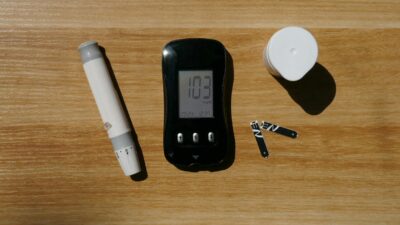
Yes, diabetes can make you tired. Fatigue is one of the most commonly reported symptoms in people with type 1, type 2, and prediabetes, and it usually has more than one driver — blood sugar swings, sleep problems, dehydration, medications, and coexisting conditions like anemia or thyroid disease. The good news is that most of these causes are treatable once identified.
Why Diabetes Is Tiring
Glucose is the main fuel for your cells. When blood sugar is high but cells cannot use it well — as in insulin resistance — or when it falls too low, the body behaves as if it is underpowered. Add in the inflammatory and hormonal shifts that accompany diabetes, and persistent tiredness is common even when daily life has not changed. A quick refresher on prediabetes symptoms shows how fatigue fits into the broader picture.
High Blood Sugar (Hyperglycemia) and Fatigue
Chronically elevated glucose contributes to tiredness through several paths:
- Osmotic diuresis — glucose in urine pulls water with it, causing dehydration and disrupted sleep from frequent bathroom trips
- Cellular energy shortfall when insulin cannot efficiently move glucose into muscle and liver cells
- Low-grade inflammation that is independently associated with fatigue
- Sleep disruption from nocturia (nighttime urination) and thirst
Correcting very high glucose often produces a noticeable lift in energy within days, though fatigue from long-standing hyperglycemia can take weeks to fully improve.
Low Blood Sugar (Hypoglycemia) and Fatigue
Lows are draining in their own right. The adrenaline surge during a low uses up energy stores, and many people feel wiped out for hours after recovery. Frequent overnight lows can fragment sleep without you realizing it, leaving you tired for reasons that show up on a continuous glucose monitor rather than in your memory. Avoiding patterns of highs and lows — the glucose rollercoaster — is one of the most effective ways to improve day-to-day energy.
Sleep Quality and Sleep Apnea
Diabetes and poor sleep run together. According to the CDC, inadequate sleep is linked to worsened insulin sensitivity and higher glucose the next day. Obstructive sleep apnea is especially common in people with type 2 diabetes and often goes undiagnosed.
Signs worth discussing with your clinician include:
- Loud snoring or witnessed pauses in breathing
- Waking with a dry mouth or headache
- Daytime sleepiness despite 7+ hours in bed
- Nocturnal urination that is not explained by fluid intake
Treating sleep apnea — often with CPAP — can improve both fatigue and glucose control.
Other Medical Contributors
| Cause | Clues | Typical Test |
|---|---|---|
| Anemia | Pale skin, shortness of breath, rapid pulse | Complete blood count |
| Thyroid disease | Cold intolerance, weight change, dry skin | TSH |
| Vitamin B12 deficiency | Tingling, numbness, memory changes (especially on metformin) | B12 level |
| Depression | Low mood, loss of interest, poor sleep or appetite | PHQ-9 screening |
| Kidney disease | Swelling, foamy urine, high blood pressure | eGFR, urine albumin |
| Heart disease | Shortness of breath on exertion, chest pressure | ECG, stress testing as indicated |
| Infection | Fever, localized pain, slow-healing wounds | Tailored labs |
According to the NIDDK, any sudden, severe, or persistent fatigue deserves evaluation, especially in people with diabetes, because several of the conditions above are more common in this population.
Medications That Can Contribute
Some medications used in diabetes or for common comorbidities can cause or worsen tiredness:
- Beta-blockers
- Some antidepressants and antihistamines
- Opioids
- Sulfonylureas and insulin, indirectly through hypoglycemia
- Statins (uncommonly)
- Long-term metformin, occasionally through B12 depletion
Never stop a prescribed medication without talking to your clinician. A review of timing, dose, or alternatives may resolve the problem.
Lifestyle Factors
The same levers that improve blood sugar also improve energy. These are not quick fixes, but they compound.
Food
Large, refined-carbohydrate meals cause bigger spikes and crashes. Smaller, balanced meals with protein, fiber, and non-starchy vegetables keep glucose steadier. Our guide to diet and nutrition walks through this in detail.
Movement
Even a 10-minute post-meal walk lowers glucose and improves short-term energy. Regular aerobic and resistance training improves insulin sensitivity, sleep, and mood.
Hydration
High blood sugar is dehydrating. Unsweetened fluids throughout the day reduce thirst-driven fatigue.
Sleep Habits
Consistent bed and wake times, a cool dark room, and a wind-down routine matter more than sleep hacks. If symptoms suggest apnea, pursue testing.
Stress
Chronic stress raises cortisol, which raises glucose. Short mindful breathing breaks, time outdoors, and social connection all have evidence behind them.
When Fatigue Needs Urgent Attention
Seek immediate care for fatigue paired with any of the following:
- Chest pain, pressure, or shortness of breath
- Confusion, slurred speech, or fainting
- Blood sugar below 54 mg/dL or above 400 mg/dL
- Ketones with vomiting or abdominal pain
- Sudden swelling, severe headache, or vision changes
These can signal heart attack, stroke, severe hypoglycemia, diabetic ketoacidosis, or other emergencies.
Putting It Together: A Fatigue Check-In
Before your next visit, jot down a week of notes on:
- Sleep hours and perceived quality
- Fasting and post-meal glucose readings
- Meals, especially any with large refined-carb portions
- Exercise minutes and intensity
- Mood, stress, and any new medications
- Caffeine and alcohol intake
This snapshot gives your clinician much more to work with than “I have been tired.” It also helps you see patterns you might otherwise miss — for example, tiredness that reliably follows a specific meal or a short night.
Realistic Expectations
Energy rarely comes back overnight. Most people notice small improvements within a couple of weeks of better sleep and steadier glucose, with more substantial changes over 2-3 months. If you have been tired for years, give your plan time to work before concluding it does not. For a broader view of how daily choices roll up into long-term outcomes, our article on whether prediabetes is reversible offers context.
The Bottom Line
Diabetes can make you tired — sometimes from blood sugar swings, sometimes from sleep apnea or anemia, sometimes from medications or depression, often from several causes at once. Fatigue is not something you just have to live with. Track your sleep, glucose, meals, and mood, rule out common medical contributors with your clinician, and build habits that support steady blood sugar. When fatigue is sudden, severe, or paired with warning symptoms, seek urgent care rather than assuming it is “just the diabetes.”