In adults without diabetes, blood sugar levels after eating typically stay below 140 mg/dL one to two hours after a meal and return to baseline within two to three hours. In prediabetes, post-meal readings often land between 140 and 199 mg/dL, and in diabetes they frequently reach 200 mg/dL or higher.
Normal Post-Meal Blood Sugar Ranges
The American Diabetes Association and most clinical labs use the following reference points for post-meal (postprandial) glucose. Values vary by individual and test method.
| Status | 1 Hour After Eating | 2 Hours After Eating |
|---|---|---|
| No diabetes | Usually below 140 mg/dL | Below 140 mg/dL |
| Prediabetes | 140-180 mg/dL | 140-199 mg/dL |
| Diabetes | Often 180+ mg/dL | 200 mg/dL or higher |
| Diabetes treatment target (ADA) | Below 180 mg/dL | Below 180 mg/dL |
These numbers are guidelines, not verdicts. A single high reading may reflect a particularly large or fast-digesting meal, while a pattern points to an underlying issue worth evaluating.
What Happens to Blood Sugar When You Eat
Carbohydrates break down into glucose, which enters your bloodstream. The pancreas releases insulin to move that glucose into cells for energy or storage. In people without diabetes, this system keeps the post-meal rise modest and brief. When insulin is insufficient or cells resist its signal — the hallmark of prediabetes and type 2 diabetes — glucose lingers in circulation longer, producing higher peaks.
Not all carbs behave the same. A slice of white bread raises glucose faster than the same grams of carbs from lentils because fiber and protein slow digestion. Learn more in our prediabetes overview.
Why Post-Meal Numbers Matter
Fasting glucose and A1C get most of the attention, but post-meal peaks independently contribute to cardiovascular risk and A1C over time, according to the ADA Standards of Care. Repeated spikes above 180 mg/dL are associated with oxidative stress and endothelial dysfunction in multiple clinical studies.
Flattening these peaks is often where the biggest improvements in A1C come from, especially in people with prediabetes who have near-normal fasting sugars but exaggerated post-meal responses.
Signs Your Post-Meal Blood Sugar Is Too High
Many people do not feel post-meal highs at all. When symptoms do occur, they may include:
- Fatigue or an afternoon energy crash
- Increased thirst or dry mouth
- Blurry vision within a few hours of eating
- Difficulty concentrating
- Needing to urinate more than usual
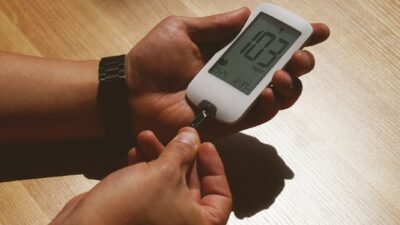
Because symptoms can be subtle, checking glucose with a meter or continuous glucose monitor provides the clearest picture.
What Drives Big Spikes
Post-meal responses are shaped by more than just food. Common drivers include:
- Carb type and quantity: refined carbs and sugary drinks peak fastest.
- Low fiber and low protein meals digest quickly and offer little buffering.
- Eating late at night, when insulin sensitivity is lowest.
- Poor sleep or acute stress, which raise cortisol and glucose.
- Sedentary behavior right after eating.
- Some medications, including corticosteroids and certain antipsychotics.
How to Lower Blood Sugar After Eating
Several evidence-supported strategies reduce post-meal peaks without drastic dietary changes.
Walk After You Eat
Even 10-15 minutes of light walking within 30 minutes of finishing a meal can cut the glucose peak by 20-30%, per small clinical trials. Muscles pull glucose from the blood without needing much insulin during activity.
Adjust Meal Composition
Put protein and non-starchy vegetables on the plate first, then carbs. This “food order” approach has been shown in small studies to flatten post-meal glucose. Adding vinegar — for example, a vinaigrette salad — also modestly blunts the rise.
Choose Slower Carbs
Swap white rice for quinoa, white bread for sourdough or whole-grain, and sweet drinks for water or unsweetened tea. These changes lower the total glucose load and extend digestion.
Watch Portions, Not Just Ingredients
A “healthy” bowl of oatmeal with banana and honey can still spike glucose if the portion is large. Measuring carbs for a few weeks often reveals surprises.
When to Check and When to Call Your Doctor
If you have prediabetes, checking blood sugar two hours after a few meals per week provides useful feedback. According to CDC guidance, people with diabetes typically check more often — timing depends on medications and goals.
Contact your clinician promptly if:
- Post-meal readings are consistently above 200 mg/dL
- You experience symptoms like excessive thirst, frequent urination, or unintended weight loss
- Fasting glucose is also rising
- Numbers change sharply after starting a new medication
Post-Meal Targets for Special Situations
| Group | Typical 1-Hour Target | Typical 2-Hour Target |
|---|---|---|
| Nonpregnant adults with diabetes (ADA) | — | Below 180 mg/dL |
| Pregnancy (gestational diabetes) | Below 140 mg/dL | Below 120 mg/dL |
| Older adults or high hypoglycemia risk | — | Below 200 mg/dL often acceptable |
Targets should be individualized. Your doctor may set tighter or looser goals based on age, life expectancy, and risk of low blood sugar.
How Post-Meal Numbers Connect to A1C
A1C is an average of all your glucose over several months, so repeated post-meal peaks push it higher even when fasting numbers look fine. Flattening those peaks — through food order, walking, and carb swaps — is one of the fastest ways to improve A1C in the 5.7-6.4% prediabetes range. Our A1C levels guide covers the link in detail.
The Bottom Line
Blood sugar levels after eating tell a story that fasting numbers alone cannot. Staying below 140 mg/dL two hours after meals is typical for people without diabetes, while 140-199 mg/dL suggests prediabetes and 200+ mg/dL points to diabetes. Food choices, meal timing, movement, and sleep all influence the shape of the curve. Tracking a handful of meals — and talking through the pattern with your doctor — is usually more informative than chasing a single reading.