The most important diabetes numbers are A1C, fasting glucose, and post-meal glucose. For most non-pregnant adults with diabetes, the American Diabetes Association suggests an A1C below 7 percent, fasting glucose of 80 to 130 mg/dL, and post-meal peaks under 180 mg/dL. Targets are individualized based on age, health, and duration of diabetes.
The Core Numbers in Diabetes Management
Diabetes care revolves around a few key measurements that reveal how well glucose is controlled over different time frames. A1C reflects 2 to 3 months of average blood sugar. Fasting glucose captures baseline control first thing in the morning. Post-meal (postprandial) readings show how your body handles carbohydrates. Continuous glucose monitoring (CGM) adds a fourth layer: how much time you spend in range throughout the day.
Each number answers a slightly different question, which is why clinicians rarely rely on just one. Used together, they help guide medication, diet, and activity adjustments.
A1C Targets: Normal, Prediabetes, and Diabetes
A1C measures the percentage of hemoglobin molecules that have glucose attached. Because red blood cells live about 120 days, A1C reflects your average blood sugar over roughly the previous 3 months.
| Category | A1C | Estimated Average Glucose |
|---|---|---|
| Normal | Below 5.7% | Under 117 mg/dL |
| Prediabetes | 5.7% – 6.4% | 117 – 137 mg/dL |
| Diabetes | 6.5% or higher | 140 mg/dL or higher |
| Typical diabetes goal | Below 7% | Under 154 mg/dL |
| Tighter goal (selected adults) | Below 6.5% | Under 140 mg/dL |
| Less strict (older/frail) | Below 8% | Under 183 mg/dL |
For a deeper dive on A1C interpretation, see our A1C levels guide. Individual targets may differ; pregnancy, advanced kidney disease, and frequent low blood sugar all shift the right number for a given person.
Fasting Blood Glucose Targets
Fasting glucose is measured after at least 8 hours without food or drink other than water. According to the National Institute of Diabetes and Digestive and Kidney Diseases, the diagnostic thresholds are:
- Normal: below 100 mg/dL
- Prediabetes: 100 – 125 mg/dL
- Diabetes: 126 mg/dL or higher (confirmed on a second test)
For people already diagnosed with diabetes, the ADA suggests a fasting and pre-meal target of 80 to 130 mg/dL. Some clinicians aim for 70 to 110 mg/dL in younger patients without frequent hypoglycemia, while older adults at risk of low blood sugar may aim higher.
Post-Meal (Postprandial) Numbers
Post-meal glucose typically peaks 60 to 90 minutes after eating. The ADA suggests a target of under 180 mg/dL for most adults with diabetes at the 1- to 2-hour peak. A normal non-diabetic peak is usually under 140 mg/dL.
For people with prediabetes, aiming to keep post-meal readings below 140 mg/dL most of the time is a reasonable goal and can guide carbohydrate portioning. Some find it useful to test before and 2 hours after meals to identify which foods cause the biggest spikes.
Time in Range and CGM Metrics
Continuous glucose monitors have introduced new numbers for diabetes management. Key CGM metrics include:
- Time in range (TIR): percent of time glucose is 70-180 mg/dL. Target: more than 70 percent for most adults.
- Time below range (TBR): percent below 70 mg/dL. Target: less than 4 percent total, less than 1 percent below 54 mg/dL.
- Time above range (TAR): percent above 180 mg/dL. Target: less than 25 percent.
- Glucose management indicator (GMI): an A1C-like estimate from 14 days of CGM data.
- Coefficient of variation (CV): a measure of glucose variability. Target: less than 36 percent.
The 2019 international consensus on CGM targets by Battelino and colleagues established these ranges, which are now widely adopted in U.S. guidelines.
Diagnostic Numbers: Putting It Together
Any one of the following criteria, confirmed on a repeat test, meets the ADA’s definition of diabetes:
- A1C 6.5 percent or higher
- Fasting plasma glucose 126 mg/dL or higher
- 2-hour glucose during a 75 g oral glucose tolerance test (OGTT) of 200 mg/dL or higher
- Random glucose of 200 mg/dL or higher with classic symptoms
Prediabetes uses lower cutoffs on the first three: A1C 5.7-6.4 percent, fasting 100-125 mg/dL, or OGTT 140-199 mg/dL.
When Tighter or Looser Targets Make Sense
The “less than 7 percent” A1C target isn’t right for everyone. The ADA suggests individualizing goals. Tighter goals (A1C under 6.5 percent) may be reasonable for:
- Younger adults recently diagnosed
- People not on insulin or sulfonylureas (low hypoglycemia risk)
- Pregnancy (target varies by guideline but is generally stricter)
Less strict goals (A1C under 8 percent) may be appropriate for:
- Older adults with limited life expectancy
- Severe hypoglycemia history
- Advanced diabetes complications or multiple comorbidities
Blood Pressure and Cholesterol: The Other Numbers That Matter
Diabetes care isn’t only about glucose. The ADA also suggests specific targets for cardiovascular risk factors:
- Blood pressure: generally below 130/80 mm Hg, adjusted for risk
- LDL cholesterol: less than 70 mg/dL for most with established cardiovascular disease; less than 100 mg/dL for many others
- Urine albumin-to-creatinine ratio: less than 30 mg/g
These numbers help reduce the risk of heart attack, stroke, and kidney disease, which are more common in people with diabetes.
Reading Your Glucose Meter vs. CGM
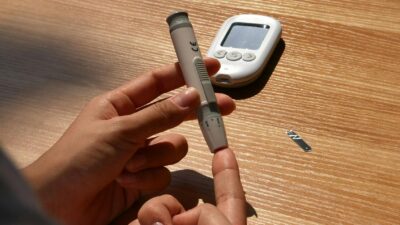
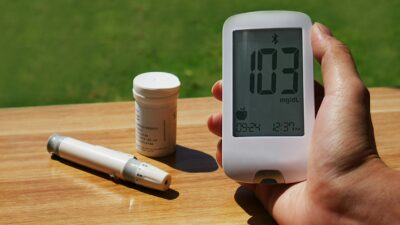
Fingerstick meters measure capillary glucose, which is closest to venous plasma glucose. CGMs measure interstitial fluid glucose, which can lag capillary values by 5 to 15 minutes, especially when glucose is changing quickly. A difference of 10 to 20 percent between meter and CGM at any given moment is normal and does not necessarily mean either device is wrong.
For critical decisions like treating a suspected low or adjusting insulin when glucose is rapidly rising, most clinicians recommend confirming with a fingerstick.
How Often to Check Your Numbers
Check-in frequency depends on your treatment and stability:
- A1C: typically every 3 months if not at goal, every 6 months if stable
- Fasting/meal fingersticks: variable; some check 1-2 times daily, others 4+ times
- CGM review: every 2 weeks at minimum, and at each clinician visit
- Blood pressure: at every diabetes visit, plus home monitoring for many
- Lipid panel: at diagnosis and then annually, more often if abnormal
If your goal is to lower your numbers, our prediabetes treatment guide covers lifestyle, medication, and monitoring strategies.
The Bottom Line
The core diabetes numbers to know are A1C (target under 7 percent for most adults), fasting glucose (80-130 mg/dL), post-meal glucose (under 180 mg/dL), and time in range (more than 70 percent). Blood pressure and cholesterol targets matter too. None of these numbers exists in isolation, and your personal targets should be set with a clinician who knows your medications, age, and other health conditions. Checking the right numbers at the right frequency gives the clearest picture of how well your diabetes is controlled.