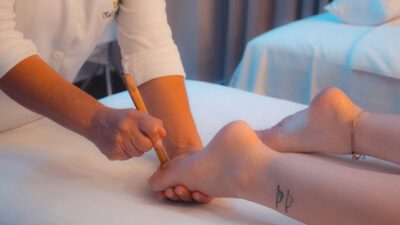
Heat may help some people with neuropathy feel more comfortable, but it does not heal damaged nerves, and it carries a real risk of burns. Neuropathy can dull your ability to feel temperature, so a heating pad or hot soak can injure numb feet before you notice. For diabetic neuropathy in the feet, health agencies advise against heating pads and hot water bottles altogether.
Why Heat Feels Good for Some People
Warmth relaxes tight muscles and increases blood flow to the skin, which can make aching or cold feet feel better. Some people with neuropathy say a warm bath or warm room takes the edge off tingling or cramping. Cold feet are also a common complaint, and warming them simply feels more comfortable.
However, there is little high-quality evidence that heat improves nerve pain itself. And not everyone responds the same way. Some people find that heat makes burning or stinging pain worse and feel better when they keep their feet cool. Pay attention to how your own symptoms respond, and stop any approach that increases pain.
The Hidden Danger: Burns You Cannot Feel
Peripheral neuropathy, the most common form of diabetic neuropathy, damages the nerves in the feet and legs first. According to the NIDDK, it can reduce your ability to sense pain or temperature changes. That means water, a heating pad or a space heater can be hot enough to burn your skin while it still feels only warm, or does not feel hot at all.
A burn on a numb foot is more serious than it sounds. Diabetes can slow healing and reduce blood flow to the feet, so a blister or burn can turn into an open sore, become infected and, in severe cases, lead to amputation. This is why the NIDDK gives clear advice for people with diabetes:
- Do not put a hot water bottle or heating pad on your feet.
- Keep your feet away from heaters and open fires.
- Test bath water before stepping in, using a thermometer (90 to 95 degrees Fahrenheit is safe) or your elbow.
- Avoid soaking your feet, which can dry out the skin.
- Wear socks in bed if your feet get cold.
Heat Sources Ranked by Risk
| Heat source | Risk with numb feet | Safer approach |
|---|---|---|
| Heating pad on feet | High; can burn without warning, especially if you fall asleep | Avoid on feet; ask your doctor before using elsewhere |
| Hot water bottle | High; direct contact for long periods | Avoid on feet |
| Space heater, radiator or fireplace | High; feet can get too close unnoticed | Keep feet well away |
| Hot foot soak | Moderate to high; scalds and dry skin | Skip soaks; use brief lukewarm washing |
| Hot sand or pavement | High; barefoot burns | Always wear shoes outdoors |
| Warm socks in bed | Low | Choose clean, well-fitting, non-binding socks |
| Lukewarm bath or shower | Low if tested | Check 90 to 95 degrees Fahrenheit with a thermometer |
What About Neuropathy in the Hands or Back?
The same caution applies anywhere you have reduced feeling. If you have numbness in your hands, test water with a thermometer or a part of your body with normal sensation. If you want to use a heating pad on an area with normal feeling, such as a sore lower back, use a low setting, keep a layer of fabric between the pad and your skin, set a timer and never sleep with it on. Check with your doctor first if you have neuropathy, poor circulation or skin problems.
Safer Ways to Ease Neuropathy Discomfort
Keep Feet Warm Without Direct Heat
Wear soft, well-fitting socks, including in bed if your feet get cold. Avoid tight socks or elastic stockings that squeeze your legs. In cold weather, choose lined, waterproof footwear. Our guide to home remedies for neuropathy covers more everyday comfort measures.
Move Regularly
Walking and other gentle activity improve circulation and can help with blood sugar control. Physical therapy can also improve strength and balance, which matters when you cannot feel your feet well.
Keep Bedding Off Sensitive Feet
The NIDDK notes that symptoms are often worse at night. A bed cradle, a frame that lifts sheets and blankets off your legs, can reduce pain from bedding touching sensitive skin.
Ask About Medical Treatment
Several prescription options can ease nerve pain, though none reverse the damage. According to the NIDDK and the ADA, these include certain antidepressants such as duloxetine, anticonvulsants such as pregabalin and gabapentin, and lidocaine creams or patches. Some people also use capsaicin cream, which can cause a burning sensation at first. Your doctor can explain the benefits and side effects of each. See our overview of how to treat diabetic neuropathy.
Keep Blood Sugar in Range
Keeping glucose in your target range is the most important step to prevent or slow nerve damage. If you have prediabetes, improving your blood sugar may also help protect your nerves. Learn more in our guide to whether prediabetes is reversible.
Daily Foot Checks Are Essential
Because burns and blisters can go unnoticed, check your feet every day, ideally each evening when you take off your shoes. Look at the tops, soles, heels and between the toes for redness, blisters, cuts, swelling or color changes. Use a mirror or ask someone to help if you cannot see your soles. Get a full foot exam from your doctor at least once a year, or more often if you have foot problems.
When to Call Your Doctor
- Any burn, blister or sore on your foot, even if it does not hurt
- Redness, warmth, swelling or drainage that could signal infection
- A wound that is not healing
- New or worsening numbness, tingling, burning or weakness
- Nerve pain that disrupts your sleep or daily activities
Seek urgent care for a foot wound with fever, spreading redness or a foul smell.
The Bottom Line
Heat may make some people with neuropathy feel more comfortable, but it does not treat the nerve damage and can make burning pain worse for others. The bigger concern is safety. Numb feet cannot sense heat well, so heating pads, hot water bottles, heaters and hot soaks can cause serious burns. Keep feet warm with socks instead, test bath water at 90 to 95 degrees Fahrenheit, check your feet daily and talk with your doctor about proven treatments for nerve pain.