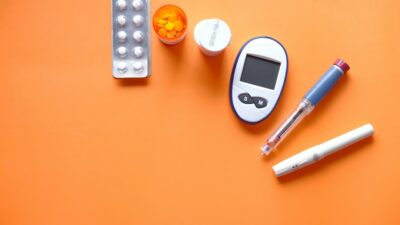
Diabetes and migraines are connected less by one disease causing the other and more by shared triggers and medicine choices. Research on whether migraine changes diabetes risk is mixed. The practical links are clearer. Low blood sugar can cause a headache that looks like a migraine, skipped meals and poor sleep trigger both problems, and several migraine medicines need extra thought when you have diabetes.
Call 911 right away for a sudden, severe headache that feels like the worst of your life, or a headache with weakness or numbness on one side, vision loss, confusion, trouble speaking or loss of balance. These can be signs of a stroke. According to the NIDDK, adults with diabetes are nearly twice as likely to have heart disease or stroke as adults without diabetes. If you use insulin or a sulfonylurea and someone is confused or unresponsive, do not give them food or drink. Use glucagon if they have it and call 911.
What the Research Says About Diabetes and Migraines
Studies of migraine and type 2 diabetes point in different directions, so no one should tell you that one condition causes the other.
- The E3N cohort (France). Among 74,247 women followed for about 10 years, those with active migraine had a lower risk of developing drug-treated type 2 diabetes (adjusted hazard ratio 0.70). The researchers also saw migraine become less common in the years before a diabetes diagnosis. The study was published in JAMA Neurology in 2019.
- The Women’s Health Study (US). Among 38,620 women followed for an average of 14.6 years, migraine with or without aura was not associated with type 2 diabetes risk (Cephalalgia, 2012).
Both were observational studies in women, so they show associations, not cause and effect. Neither tells you how to manage your own migraines. They do show why claims that “diabetes causes migraines” or “migraines protect against diabetes” go beyond the evidence.
| Study | Who was studied | What it found |
|---|---|---|
| E3N cohort, JAMA Neurology 2019 | 74,247 French women, mean age 61, about 10 years of follow-up | Active migraine associated with about 30% lower risk of drug-treated type 2 diabetes |
| Women’s Health Study, Cephalalgia 2012 | 38,620 US women, mean 14.6 years of follow-up | No significant association between migraine and type 2 diabetes |
Low Blood Sugar Can Look Like a Migraine
The most important overlap for day-to-day life is hypoglycemia. The NIDDK lists headache as a symptom of low blood glucose, along with shakiness, hunger, tiredness, dizziness, a racing heartbeat and trouble seeing or speaking clearly. A low is often defined as a reading under 70 mg/dL (3.9 mmol/L), though your care team may set a different target.
Lows mainly happen with insulin and with pills that push the pancreas to release insulin, such as sulfonylureas and meglitinides. If you take one of these, check your glucose with a meter or CGM before you reach for a migraine medicine. If the number is low, treat the low first with your usual plan, recheck after 15 minutes, and then reassess the headache. Our guides to headaches from low blood sugar and symptoms of low blood sugar cover this in more depth.
High blood sugar can cause headaches too, usually with thirst, frequent urination, blurry vision and tiredness. See high blood sugar headaches and the broader blood sugar headache guide.
Triggers That Overlap
MedlinePlus lists common migraine triggers, and several of them also disturb glucose control:
| Trigger | Why it matters for migraine | Why it matters for diabetes |
|---|---|---|
| Skipping meals | A commonly listed migraine trigger | Raises the risk of lows on insulin or sulfonylureas; can lead to overeating later |
| Too little sleep | A commonly listed migraine trigger | Disrupted sleep can make meal timing and glucose patterns less predictable |
| Alcohol | A commonly listed migraine trigger | Can cause or mask lows, especially on insulin or sulfonylureas |
| Stress | A commonly listed migraine trigger | Stress hormones can push glucose up |
| Caffeine withdrawal | Missing your usual caffeine can trigger an attack | Sweetened coffee drinks add carbs; plain coffee or tea does not |
| Dehydration | Fluids often help during an attack | High glucose increases urination and fluid loss |
A headache diary helps. Note the time, what you ate, your glucose reading, sleep, alcohol and any medicine taken. Over a few weeks, patterns often show up, such as headaches that follow late lunches or overnight lows.
Migraine Medicines and Diabetes: What to Know
Acute and preventive migraine treatments include over-the-counter pain relievers, triptans, anti-nausea medicines, CGRP-blocking drugs, some blood pressure medicines, some antidepressants, anti-seizure medicines and, for some people, botulinum toxin injections. Several need a closer look when you have diabetes. The label facts below come from the current FDA prescribing information on DailyMed, checked in November 2026.
Triptans
The sumatriptan label says triptans must not be used by people with ischemic coronary artery disease or coronary vasospasm, a history of stroke or TIA, hemiplegic or basilar migraine, peripheral vascular disease, ischemic bowel disease or uncontrolled high blood pressure. It also advises a cardiovascular evaluation before the first dose in people who have several cardiovascular risk factors, and it names diabetes as one of those factors, along with older age, high blood pressure, smoking, obesity and a strong family history of heart disease. That does not mean triptans are off-limits with diabetes. It means your clinician should weigh your heart risk first.
Gepants and CGRP antibodies
Gepants (such as ubrogepant and rimegepant) and CGRP monoclonal antibodies (such as erenumab) block the CGRP pathway and are a different drug class from triptans. Their labels still carry warnings that matter here:
- High blood pressure. The ubrogepant, rimegepant and erenumab labels warn that new or worsening high blood pressure may occur. Many people with diabetes already have hypertension, so check your blood pressure after starting one.
- Constipation. The erenumab label warns of constipation with serious complications, some needing hospital care. This matters if you already have slow gut movement from diabetic gastroparesis or take other medicines that slow the gut, including some GLP-1 drugs.
- Raynaud’s phenomenon. New or worsening Raynaud’s is listed on these labels.
- Interactions. Ubrogepant must not be taken with strong CYP3A4 inhibitors, so list every medicine, including antibiotics and antifungals.
Topiramate
Topiramate is an anti-seizure medicine also used to prevent migraine. Its label lists reduced appetite and weight loss among the most common side effects in migraine trials, and it warns that topiramate can cause metabolic acidosis, with periodic bicarbonate checks recommended. The metformin label lists topiramate as a carbonic anhydrase inhibitor that may raise the risk of lactic acidosis when combined with metformin, and it suggests more frequent monitoring. The topiramate label also says a ketogenic diet can add to its acid-lowering effect. Whether it combines safely with an SGLT2 inhibitor is a question for your clinician. Do not stop or start either medicine without talking to them.
Beta-blockers
Propranolol and similar drugs are used to prevent migraine. The propranolol label warns that beta-blockers may hide some warning signs of low blood sugar, such as a racing heartbeat, especially in people who use insulin. If you use insulin or a sulfonylurea, check your glucose more often after starting a beta-blocker. Our guide to beta-blockers and blood sugar explains more.
NSAIDs and medication-overuse headache
Ibuprofen and naproxen are common for mild attacks, but NSAIDs can harm the kidneys, and diabetes is a leading cause of kidney disease. If you have reduced kidney function, ask before using them regularly. Your eGFR test result helps your clinician decide. MedlinePlus also notes that taking pain medicines more than 3 days a week may lead to rebound headaches, so frequent use is itself a reason to see your clinician about prevention.
Diabetes Medicines That Can Cause Headaches
Some people report headaches after starting diabetes and weight medicines, often in the first weeks or after a dose increase. Nausea, eating much less and not drinking enough can all add to it. If you recently started or raised a GLP-1 or dual GLP-1/GIP medicine, see our pages on semaglutide headaches and tirzepatide headaches. The metformin label also lists headache among its most common side effects. Tell your prescriber if headaches persist, and do not change your dose on your own.
Daily Habits That Help Both Conditions
- Regular meals. Eat at steady times, with protein and fiber, so you are not going long stretches without food. This also lowers the chance of lows on insulin or sulfonylureas.
- Consistent sleep. Aim for the same bedtime and wake time, including weekends.
- Fluids. Water or unsweetened drinks through the day.
- Steady caffeine. Keep your intake similar day to day to avoid withdrawal headaches.
- Glucose checks during attacks. Vomiting and not eating during a migraine can lead to lows if you take insulin. Ask your care team for a sick-day plan.
- Activity. Regular exercise helps glucose control. If exercise triggers your migraines, warm up slowly and stay hydrated.
When to See Whom
| Situation | What to do |
|---|---|
| Sudden severe headache, weakness, vision loss, confusion, trouble speaking | Call 911 |
| Headache with a glucose reading under 70 mg/dL (3.9 mmol/L) | Treat the low using your plan, then recheck |
| Headaches that are new, changing or more frequent | See your primary care clinician or a neurologist |
| Pain relievers needed more than 3 days a week | Ask about preventive treatment |
| Starting a triptan with heart risk factors | Ask whether you need a heart evaluation first |
| Starting topiramate or a beta-blocker while on diabetes medicines | Ask your clinician or pharmacist about monitoring |
Ask your care team: Bring a full list of everything you take, including over-the-counter pain relievers, supplements and diabetes medicines, to every migraine appointment. Never stop or change a prescribed medicine on your own. Ask how a new migraine medicine might affect your glucose, blood pressure or kidneys.
The Bottom Line
Research has not shown that diabetes causes migraines, and studies of whether migraine changes diabetes risk disagree. The everyday links are practical. Low blood sugar can mimic a migraine, so check your glucose first if you use insulin or a sulfonylurea. Meals, sleep, fluids and stress affect both conditions. Several migraine medicines, including triptans, gepants, topiramate, beta-blockers and NSAIDs, need a review of your heart, blood pressure, kidney health and diabetes medicines. For more on related conditions, visit our complications and related conditions hub, and work with your care team on a plan that covers both.