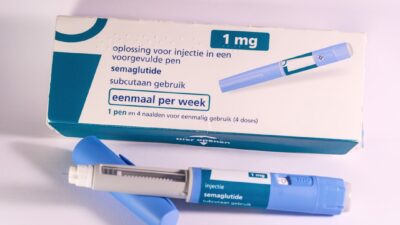
Semaglutide headache is one of the most commonly reported non-gastrointestinal side effects of this GLP-1 receptor agonist, affecting roughly 14% of users in clinical trials. Most headaches are mild, tied to dose increases, and improve within a few days with hydration and steady eating.
How Common Are Headaches on Semaglutide?
In the STEP 1 weight-management trial of Wegovy (semaglutide 2.4 mg), 14.3% of participants reported headache compared to 10.3% on placebo — a statistically meaningful but modest increase. Ozempic (semaglutide 0.5-2.0 mg) for type 2 diabetes shows similar rates, ranging from 10% to 14% across trials. Rybelsus (oral semaglutide) reports headache in about 5-9% of users.
Most reported headaches are graded mild to moderate on standard tolerability scales. Fewer than 1% of trial participants discontinued semaglutide specifically because of headache.
Why Semaglutide Triggers Headaches
Researchers have not identified a single mechanism, but several overlapping factors likely contribute:
- Dehydration. Semaglutide reduces appetite and thirst sensations, and pairs with nausea and occasional vomiting. Even mild fluid loss is a well-known headache trigger.
- Lower calorie intake. Eating much less than usual can produce hypoglycemia-like headaches, especially in people who previously ate high-carbohydrate meals.
- Dose escalation. The standard titration doubles or increases the dose every four weeks. Each step-up brings a temporary uptick in side effects, headache included.
- Gastrointestinal changes. Slowed gastric emptying shifts fluid and electrolyte handling. Constipation, a common semaglutide effect, also correlates with headache.
- Neurohormonal effects. GLP-1 receptors are present throughout the brain. Direct central effects cannot be ruled out, especially during the first few weeks.
When Headaches Typically Occur
Clinical patterns suggest headaches cluster in two windows: the first 48-72 hours after any dose step-up, and the day or two after each weekly injection during the first couple of months. Between dose changes, headache frequency usually drops toward baseline.
| Phase of Therapy | Likelihood of Headache | Typical Duration |
|---|---|---|
| Week 1-4 (0.25 mg start) | Moderate | 1-3 days post-injection |
| Each dose step-up | Higher | 2-4 days |
| Steady-state maintenance | Low | Brief, if any |
| After missed meals or travel | Increased | Resolves with hydration/food |
Prevention Strategies That Work
The most effective strategies are simple and free. Aim for at least 64 ounces of water daily — more if you are active or in a warm climate. Add an electrolyte packet on injection days if nausea limits fluid intake. Eat small, protein-containing meals every 3-4 hours, even when appetite is suppressed, to stabilize blood sugar. Keep a consistent sleep schedule and limit alcohol during dose escalation.
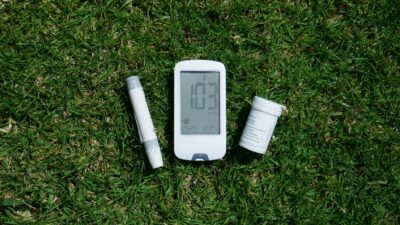
If you have prediabetes or type 2 diabetes and are monitoring glucose, watch for lows. While semaglutide rarely causes true hypoglycemia as monotherapy, it can do so when combined with sulfonylureas or insulin. Learn how to read glucose patterns so headaches from lows can be distinguished from dehydration headaches.
Managing a Headache When It Hits
For most semaglutide headaches, rest, rehydration with electrolyte-containing fluids, and a small balanced snack resolve symptoms within a few hours. Over-the-counter acetaminophen is generally acceptable. NSAIDs like ibuprofen are usually fine in otherwise healthy users, but avoid them if you have kidney disease, ulcer history, or take blood thinners — and always confirm with your prescriber.
Caffeine is a double-edged sword: a small amount may help caffeine-withdrawal headaches, but excess can worsen dehydration. If your headaches are migraine-like (throbbing, one-sided, with nausea or light sensitivity), ask your clinician about a short-term migraine plan tailored to your other medications.
When to Slow Down or Pause
If headaches are severe or persistent during a dose step-up, prescribers often hold the higher dose for an extra 2-4 weeks rather than advancing on schedule. This “extended titration” approach has been shown to reduce overall side effects without meaningfully delaying efficacy. Never adjust the dose without consulting your prescriber, and do not skip doses without guidance — inconsistent dosing can worsen both side effects and blood sugar control.
Red Flags That Need Immediate Care
Most semaglutide headaches are benign, but some warrant urgent evaluation. Call your clinician or seek emergency care for:
- A sudden, severe “worst headache of my life”
- Headache with vision changes, confusion, weakness, or slurred speech
- Headache with fever and stiff neck
- Persistent vomiting preventing fluid intake
- Headache with severe abdominal pain (possible pancreatitis)
Lifestyle Support That Reduces All Side Effects
Broader habits that support GLP-1 tolerance also help with headaches. Prioritize protein at 0.8-1.0 grams per pound of ideal body weight, get at least 7 hours of sleep, and follow a prediabetes-friendly nutrition pattern emphasizing vegetables, lean proteins, and whole grains. Regular physical activity improves hydration regulation and reduces medication-related headaches across many drug classes.
The Bottom Line
Semaglutide headaches are common, usually mild, and typically resolve with hydration, consistent meals, and time. Track your pattern, share it with your prescriber, and use dose-titration flexibility to smooth rough patches. If headaches become severe, persistent, or come with worrying features, get medical attention promptly.
Medical disclaimer: This article is for educational purposes only and is not a substitute for professional medical advice, diagnosis, or treatment. Always consult your physician before starting, stopping, or changing any medication.