No, Mounjaro is not insulin. Mounjaro’s active ingredient, tirzepatide, is a dual GLP-1 and GIP receptor agonist — it activates two gut-hormone receptors that prompt the pancreas to release its own insulin when blood sugar rises. Insulin, by contrast, is a hormone that directly lowers blood glucose by moving it into cells. The two drugs share an end goal of glucose control but work through fundamentally different mechanisms and are not interchangeable.
What Mounjaro Actually Is
Mounjaro is the brand name for tirzepatide, an FDA-approved injectable for adults with type 2 diabetes. The same molecule is marketed as Zepbound for chronic weight management. Tirzepatide is a 39-amino-acid synthetic peptide that activates the GLP-1 receptor and the GIP receptor — two receptors normally stimulated by natural gut hormones released after meals. This dual activation is what sets tirzepatide apart from earlier drugs in the GLP-1 class.
According to the FDA prescribing information, tirzepatide lowers A1C through several coordinated effects: amplifying glucose-dependent insulin release, suppressing glucagon, slowing gastric emptying, and reducing appetite. None of those effects involve delivering insulin directly.
Mounjaro Versus Insulin at a Glance
The table below summarizes the key differences. Both are used in diabetes care, but they belong to different drug classes with different indications and behaviors.
| Attribute | Mounjaro (tirzepatide) | Insulin |
|---|---|---|
| Drug class | Dual GLP-1 / GIP receptor agonist | Hormone replacement |
| Mechanism | Stimulates own insulin release, suppresses glucagon, slows emptying, reduces appetite | Directly moves glucose into cells |
| Frequency | Once weekly injection | Daily (basal) and/or multiple times per day (rapid-acting) |
| Approved uses | Type 2 diabetes | Type 1 diabetes, type 2 diabetes, gestational diabetes |
| Hypoglycemia risk | Low alone, higher with insulin or sulfonylureas | Higher — dose must match food and activity |
| Weight effect | Weight loss typical | Weight gain common |
| Delivery | Subcutaneous pen, prefilled weekly dose | Syringe, pen, or pump |
How Mounjaro Works in the Body
After a meal, the gut naturally releases GLP-1 and GIP, which signal the pancreas to release insulin matched to the glucose load. In type 2 diabetes, these incretin signals are often blunted and tissues respond less efficiently. Tirzepatide binds to both receptors with long-acting signaling that lasts about a week. The result is a stronger, better-timed insulin response to meals, along with reduced liver glucose output, slower stomach emptying, and lower appetite.
Because tirzepatide triggers insulin release only when blood glucose rises, the risk of hypoglycemia is modest when it is used alone. Combining tirzepatide with insulin or sulfonylureas — drugs that raise insulin levels regardless of glucose — substantially increases hypoglycemia risk, which is why prescribers often adjust those medications when starting Mounjaro. For a broader look at how glucose regulation works, see our A1C levels guide.
Who Uses Each Drug
Mounjaro is approved for adults with type 2 diabetes as an adjunct to diet and exercise. It is not approved for type 1 diabetes, and it does not replace insulin in people who depend on it. Insulin remains essential for type 1 diabetes, for many people with advanced type 2 diabetes, and during pregnancy-related diabetes when diet and oral medications are insufficient.
Some people with type 2 diabetes who start Mounjaro can reduce their insulin dose or discontinue insulin under medical supervision. That depends on individual factors including beta-cell reserve, baseline A1C, duration of diabetes, and body weight. Only your clinician can evaluate whether such a transition is appropriate.
Safety Considerations Specific to Mounjaro
- Boxed warning for thyroid C-cell tumors observed in rodents; contraindicated with personal or family history of medullary thyroid carcinoma or MEN 2.
- Risk of pancreatitis, gallbladder disease, and acute kidney injury from dehydration.
- Possible reduced effectiveness of oral contraceptives due to delayed gastric emptying; non-oral methods often recommended after initiation and dose changes.
- Gastrointestinal side effects — nausea, diarrhea, constipation, vomiting — especially during dose escalation.
- Not recommended in pregnancy or severe gastrointestinal disease.
Dose adjustments, starting doses, and escalation timing are written by your prescribing team. The treatment hub has additional context on how GLP-1 and dual-incretin therapies fit within the broader diabetes care landscape.
Common Confusions Worth Clearing Up
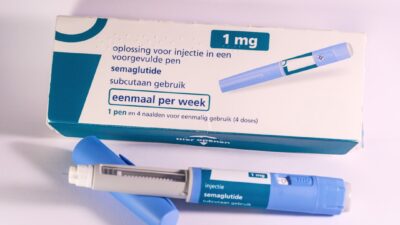
Mounjaro is often grouped with insulin because both are injectable diabetes drugs. The injection method is the same, but the mechanism and risk profile differ. Mounjaro is also sometimes compared to Ozempic — both are injectable diabetes medications, but Ozempic (semaglutide) activates only the GLP-1 receptor, while Mounjaro adds GIP receptor activation. And Mounjaro versus Zepbound is simply the same molecule under two brand names for two different indications.
The Bottom Line
Mounjaro is not insulin. It is a dual GLP-1 and GIP receptor agonist that helps your body release its own insulin more effectively after meals while also slowing digestion and reducing appetite. Both Mounjaro and insulin have important roles in diabetes care, but they work through different mechanisms, have different side effect profiles, and serve different patient populations. Whether Mounjaro, insulin, or a combination is right for you is a decision that belongs with your clinical team.