Wondering what real-world Wegovy weight loss results look like? In the STEP 1 clinical trial, adults without diabetes lost an average of about 14.9 percent of body weight over 68 weeks on Wegovy 2.4 mg weekly, compared with about 2.4 percent on placebo. Your results depend on dose tolerance, lifestyle changes, and how long you stay on therapy.
What Wegovy Is
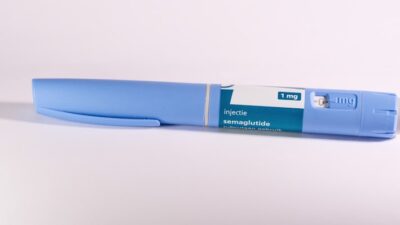
Wegovy is the brand name for semaglutide 2.4 mg, a once-weekly subcutaneous injection approved by the FDA for chronic weight management in adults and some adolescents who meet BMI criteria. It is the same active ingredient as Ozempic, but it is dosed for weight management and has its own FDA indication.
What the Pivotal Trial Showed
The STEP 1 trial, published in the New England Journal of Medicine, randomized 1,961 adults with BMI 30 or higher (or 27 with at least one weight-related condition) to Wegovy 2.4 mg weekly or placebo, with lifestyle counseling for both groups. After 68 weeks:
- Mean weight loss was about 14.9 percent with Wegovy versus 2.4 percent with placebo.
- About 86 percent of Wegovy participants lost at least 5 percent of body weight.
- About half of Wegovy participants lost at least 15 percent.
- Roughly one in three lost at least 20 percent.
Timeline of Average Weight Change
STEP 1 used a titration schedule that started at 0.25 mg and increased every four weeks to 2.4 mg. Early weeks focused on tolerability, not maximum effect. The table below summarizes typical milestones from the trial.
| Timepoint | Average Weight Loss (Wegovy) | What Is Happening |
|---|---|---|
| Week 4 | Roughly 2 to 3 percent | Low-dose titration; appetite starts to shift |
| Week 16 | Roughly 7 to 8 percent | Reaching 2.4 mg maintenance dose |
| Week 28 | Roughly 10 to 12 percent | Steady loss during maintenance |
| Week 68 | About 14.9 percent | Near plateau for most participants |
Results in Type 2 Diabetes
The STEP 2 trial tested Wegovy in adults with type 2 diabetes. Average weight loss was smaller at about 9.6 percent, compared with 3.4 percent on placebo, over 68 weeks. Even so, glycemic control improved meaningfully. If your primary concern is a rising A1C, our guide to A1C levels explains what numbers matter.
What Happens After Discontinuation
A STEP 1 extension study followed participants for one year after they stopped Wegovy and lifestyle coaching. On average, participants regained about two-thirds of the weight they had lost. This is consistent with a chronic disease model: the medication treats obesity while it is taken, and removing it restores baseline pressure on appetite and weight.
Side Effects That Accompany Results
In STEP 1, the most common side effects were gastrointestinal. Nausea affected about 44 percent of Wegovy participants at some point, diarrhea about 32 percent, and vomiting about 24 percent. Most events were mild to moderate and clustered around dose changes. Roughly 7 percent discontinued due to gastrointestinal side effects, which is higher than placebo.
Serious but less frequent concerns include pancreatitis, gallbladder disease, and a boxed thyroid C-cell tumor warning carried over from animal studies. The label is direct about not using Wegovy in people with a personal or family history of medullary thyroid carcinoma or MEN 2.
Predictors of Better Response
Published analyses suggest people who tolerate the full 2.4 mg maintenance dose, stay on therapy longer, and engage in lifestyle changes tend to see larger average weight reductions. Predictors of lesser response include significant dose interruptions, coexisting conditions affecting appetite, and medications that promote weight gain.
How to Interpret “Average” Results
Averages hide variation. In STEP 1, some participants lost more than 20 percent of body weight, while others lost very little. Your own response will depend on dose tolerance, consistency, baseline BMI, and behavioral factors. Set expectations with your clinician rather than a marketing headline.
How Wegovy Fits Into Metabolic Care
Weight and blood sugar are linked, but they are not the same target. If you are in the prediabetes range, reducing weight by 5 to 10 percent can have large effects on progression risk. See our prediabetes reversibility guide and our treatment overview for context. Wegovy can support weight change, but nutrition and activity from our diet and nutrition hub matter for long-term success.
Questions to Bring to Your Clinician
- What weight change would be clinically meaningful for me?
- How will we handle side effects during titration?
- When should we reassess progress and dose?
- What is the plan if I stop Wegovy later?
The Bottom Line
Wegovy weight loss results in clinical trials averaged about 15 percent of body weight over 68 weeks in adults without diabetes, with wide individual variation. Results are gradual, tied to reaching the 2.4 mg maintenance dose, and typically fade when the medication is stopped. A full picture includes side effects, long-term plans, and realistic goals set with your clinician. This article is educational and not medical advice.