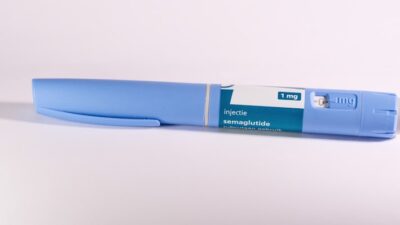
Curious about tirzepatide weight loss side effects? Most side effects are gastrointestinal – nausea, diarrhea, constipation, vomiting, and abdominal pain – and tend to cluster around dose increases. Serious but less frequent concerns include pancreatitis, gallbladder disease, kidney injury from dehydration, and a boxed thyroid C-cell tumor warning based on rodent studies.
What Tirzepatide Does
Tirzepatide is a once-weekly injectable that activates both GLP-1 and GIP receptors. This dual mechanism slows gastric emptying and changes appetite signaling, which helps people eat less. The same active ingredient is sold as Mounjaro for type 2 diabetes and Zepbound for chronic weight management in adults meeting BMI criteria.
Common Side Effects in Weight-Loss Trials
The SURMOUNT-1 trial, published in the New England Journal of Medicine, enrolled adults with obesity or overweight plus a weight-related condition but without type 2 diabetes. The most frequent side effects across 5 mg, 10 mg, and 15 mg arms were gastrointestinal.
| Side Effect | Approx. Frequency | Typical Pattern |
|---|---|---|
| Nausea | About 25 to 33 percent | Peaks during titration; improves with stable dosing |
| Diarrhea | About 19 to 23 percent | Early weeks; watch hydration |
| Constipation | About 12 to 17 percent | More common at higher doses |
| Vomiting | About 8 to 13 percent | Often tied to large or high-fat meals |
| Abdominal pain | About 5 to 10 percent | Usually mild; persistent severe pain needs evaluation |
| Fatigue | About 5 to 7 percent | May overlap with reduced intake |
Serious Warnings on the Label
The FDA label for Zepbound and Mounjaro includes several important warnings that apply whether you are using tirzepatide for weight or blood sugar.
- Thyroid C-cell tumors: Boxed warning based on rodent studies. Not recommended if you have a personal or family history of medullary thyroid carcinoma or multiple endocrine neoplasia syndrome type 2.
- Pancreatitis: Stop and seek care for severe, persistent abdominal pain, especially if it radiates to the back.
- Gallbladder disease: Rapid weight loss and GLP-1 therapy both raise gallstone risk.
- Hypoglycemia: Rare as a standalone effect; more likely when combined with insulin or sulfonylureas.
- Acute kidney injury: Usually secondary to dehydration from vomiting or diarrhea.
- Hypersensitivity reactions: Uncommon but can include severe allergic events.
- Diabetic retinopathy complications: Relevant if you also have diabetes.
- Suicidal behavior and ideation: Monitor mood; report changes to your clinician.
Less-Discussed Effects
Several side effects are less clinically serious but still matter day to day. These include reflux or burping, early satiety (feeling full quickly), hair thinning with rapid weight loss, injection-site reactions, and taste changes. Some people notice a change in alcohol tolerance because gastric emptying is slower.
Mitigation Strategies to Discuss With Your Clinician
Strategies that may reduce side effects:
- Follow the stepwise titration; do not self-escalate.
- Eat smaller, lower-fat meals, especially around injection day.
- Hydrate consistently; watch electrolytes if you have significant diarrhea or vomiting.
- Avoid very sugary drinks that may worsen nausea.
- Rotate injection sites between the abdomen, thigh, and upper arm.
- Check in with your clinician if symptoms interfere with daily life.
Warning Signs That Need Immediate Attention
Contact your clinician or seek emergency care for: severe abdominal pain that radiates to the back, persistent vomiting with signs of dehydration, yellowing of the skin or eyes, fever with right upper abdominal pain, new or worsening kidney symptoms, or any signs of a severe allergic reaction such as swelling of the face or throat.
Who Should Not Use Tirzepatide
Contraindications and cautions include a personal or family history of medullary thyroid carcinoma or MEN 2, a history of severe hypersensitivity to tirzepatide, active pancreatitis, and pregnancy. People with a history of gastroparesis or severe gastrointestinal disease may need alternative therapies. Always disclose your full medication list, including over-the-counter and supplements.
Side Effects in Context of Weight-Loss Goals
Side effects often coexist with real progress. That can create a tension: the medication is working, but you feel unwell. A good clinician-patient plan balances continued progress with quality of life. Sometimes the right move is to hold the dose longer at a lower step; sometimes it is to stop and consider alternatives.
How This Connects to Metabolic Health
If you are using tirzepatide partly because of a rising A1C, read our A1C levels guide. Pair medication with nutrition guidance from our diet and nutrition hub and non-pharmacologic options in the treatment overview. Gentle strength training can help preserve lean mass during rapid weight loss.
The Bottom Line
Tirzepatide weight-loss side effects are dominated by gastrointestinal symptoms during titration, with a smaller set of serious warnings that deserve respect. Most people adapt with slow titration and simple food and hydration adjustments, but some need a different plan. Work with a clinician who will monitor symptoms, labs, and progress, and report any severe or persistent signs right away. This article is educational and not medical advice.