What is metabolic syndrome in women? Metabolic syndrome is a cluster of five cardiometabolic risk factors that, when three or more are present, roughly doubles the risk of cardiovascular disease and increases type 2 diabetes risk about fivefold. In women, the syndrome is shaped by hormonal shifts, reproductive history, and conditions like polycystic ovary syndrome (PCOS), producing patterns of risk that differ from men.
The Five Diagnostic Criteria
U.S. clinicians typically use the National Cholesterol Education Program ATP III criteria. A woman meets the definition with any three of the following:
| Criterion | Threshold for Women |
|---|---|
| Waist circumference | More than 35 inches (88 cm) |
| Triglycerides | 150 mg/dL or higher |
| HDL cholesterol | Less than 50 mg/dL |
| Blood pressure | 130/85 mm Hg or higher (or on treatment) |
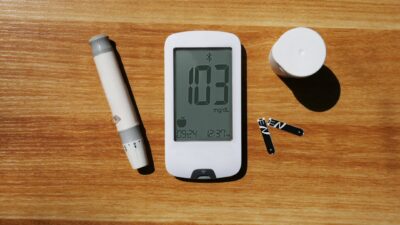
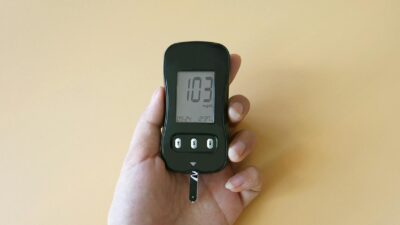
| Fasting glucose | 100 mg/dL or higher (or on treatment) |
A waist measurement and a basic lab panel are enough to screen at home or in primary care.
Why Women Have Unique Drivers
Estrogen tends to protect insulin sensitivity and favor subcutaneous rather than visceral fat storage in younger women. That protection fades around menopause, when visceral adiposity, LDL, and blood pressure often rise. Three women-specific pathways stand out:
- PCOS: Up to 70 percent of women with PCOS show insulin resistance; the syndrome often starts in the twenties.
- Gestational diabetes history: Raises lifetime type 2 diabetes risk roughly 7-fold and metabolic syndrome risk markedly.
- Preeclampsia or hypertensive pregnancy: Associated with higher long-term cardiovascular risk.
If you want a broader primer first, see our overview of prediabetes 101, since glucose dysregulation is a core feature of both conditions.
Symptoms That Bring Women In
Metabolic syndrome rarely causes specific symptoms early on. Most women learn they have it through routine labs or a blood pressure check. Possible clues include:
- Central weight gain or a waistline over 35 inches
- Fatigue and difficulty losing weight despite effort
- Irregular periods, excess facial hair, or infertility (often PCOS-linked)
- Acanthosis nigricans (dark velvety skin on the neck or armpits) and new skin tags
- Snoring or restless sleep signaling possible sleep apnea
- Rising A1C on routine labs (check A1C levels)
Why It Matters for Heart and Diabetes Risk
According to the Centers for Disease Control and Prevention, metabolic syndrome affects roughly 1 in 3 U.S. adults. The American Heart Association notes that women with the syndrome carry nearly twice the cardiovascular risk of women without it. The combination of insulin resistance, chronic inflammation, and atherogenic lipids accelerates plaque formation, arterial stiffness, and type 2 diabetes progression.
Prevention and Reversal
Most criteria respond well to consistent lifestyle change. The Diabetes Prevention Program showed that 5 to 7 percent weight loss plus 150 minutes of weekly moderate activity cut progression to type 2 diabetes by 58 percent. Practical steps include:
- Mediterranean or DASH-style eating with emphasis on vegetables, legumes, nuts, and fish (see our diet and nutrition guide)
- Resistance training two to three days per week to build glucose-disposing muscle
- Treating sleep apnea, which worsens insulin resistance
- Cutting ultra-processed foods and added sugars
- Stopping smoking and limiting alcohol
- Working with a clinician on blood pressure and lipid targets
For guidance on whether glucose-related changes can be undone, see our article on whether prediabetes is reversible.
When to See a Clinician
If your waist exceeds 35 inches, blood pressure runs above 130/85, or routine labs have flagged high triglycerides or glucose, schedule a comprehensive metabolic visit. Bring records of any PCOS diagnosis, gestational diabetes, or hypertensive pregnancy; these shift risk calculations meaningfully.
Medications Clinicians May Consider
Lifestyle change is first-line, but medications often help individual components. Clinicians may prescribe antihypertensives for blood pressure, statins or fibrates for lipids, and metformin or GLP-1 receptor agonists for glucose and weight. For women with PCOS, metformin, combined oral contraceptives, or spironolactone may be used depending on symptoms. Decisions are individualized, and long-term adherence matters more than drug choice.
Monitoring Your Progress
- Waist circumference and weight every 4 to 8 weeks at home
- Blood pressure readings at least weekly if elevated
- Fasting glucose or A1C every 3 to 6 months
- Lipid panel at baseline and every 6 to 12 months
- Sleep quality check (ask about sleep apnea screening if snoring)
- Periodic mental health check-ins, since chronic stress worsens metabolic risk
Menopause and Metabolic Risk
The perimenopausal and postmenopausal years accelerate visceral fat gain, blood pressure, and LDL cholesterol for many women. Muscle mass also declines, reducing glucose uptake capacity. Targeted resistance training, higher dietary protein (roughly 1.2 to 1.6 grams per kilogram of body weight where appropriate), and sleep support are especially valuable during this window. Hormone therapy is a separate conversation with individualized risk and benefit.
The Bottom Line
Metabolic syndrome in women is a cluster of five risk factors that drives heart disease and diabetes risk, often quietly. Hormonal transitions, PCOS, and pregnancy-related complications make women’s trajectories unique. The good news: most criteria respond to modest weight loss, regular activity, and better eating patterns, especially when paired with medical treatment for blood pressure and lipids. Work with your clinician on a plan matched to your history. This article is educational and is not a substitute for professional medical advice.