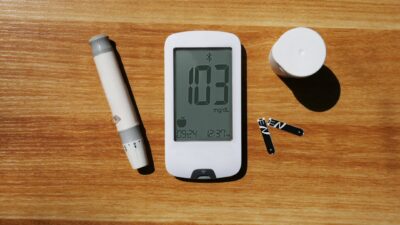
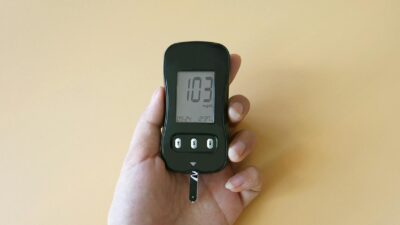
A metabolic syndrome diagnosis is made when you meet three of five specific criteria: a large waist, high blood pressure, elevated fasting blood sugar, high triglycerides, or low HDL cholesterol. There is no single blood test; your doctor combines a tape measure, a blood pressure cuff, and a fasting lipid and glucose panel.
The Exact Criteria Used Worldwide
Since 2009, major heart and diabetes organizations harmonized the definition so that doctors everywhere use the same cutoffs. According to the National Heart, Lung, and Blood Institute, any three of the following qualify:
| Criterion | Men | Women |
|---|---|---|
| Waist circumference | ≥ 40 inches (102 cm) | ≥ 35 inches (88 cm) |
| Triglycerides | ≥ 150 mg/dL | ≥ 150 mg/dL |
| HDL cholesterol | < 40 mg/dL | < 50 mg/dL |
| Blood pressure | ≥ 130/85 mmHg | ≥ 130/85 mmHg |
| Fasting glucose | ≥ 100 mg/dL | ≥ 100 mg/dL |
Being on medication for any of these (for example, a statin bringing triglycerides into normal range) still counts as meeting that criterion.
How the Diagnosis Happens in Practice
Most people discover they have metabolic syndrome during an annual physical or a preventive visit. The workflow is straightforward: the nurse measures your waist at the level of the navel after a normal exhale, takes your blood pressure twice and averages the readings, and orders a fasting lipid panel with glucose. You fast for 9 to 12 hours beforehand — water and black coffee are usually fine.
Results come back in a day or two. If three boxes are ticked, your clinician will deliver the diagnosis and discuss next steps. A repeat panel in a few weeks may confirm borderline readings before any medication is started.
Why Waist Circumference Matters More Than BMI
BMI misses people who are lean but carry visceral fat around organs. Waist measurement, especially waist-to-height ratio (keep it under 0.5), is a better predictor of insulin resistance and cardiovascular risk. Many people with a “normal” BMI of 23 to 24 still meet the waist criterion and qualify for a metabolic syndrome diagnosis.
Prediabetes Versus Metabolic Syndrome
The two conditions overlap heavily but are not identical. Prediabetes is defined by blood glucose alone: a fasting glucose of 100 to 125 mg/dL or an A1C of 5.7 to 6.4%. Metabolic syndrome requires three of five criteria, one of which can be the glucose threshold. About 70 to 80 percent of people with metabolic syndrome also have prediabetes or diabetes. Checking your A1C levels is often ordered at the same visit.
Who Should Be Screened
According to the CDC’s NHANES data, about 34 percent of US adults now meet the criteria for metabolic syndrome, rising to more than 50 percent after age 60. Screening is especially important if you have:
- A family history of diabetes or early heart disease
- Polycystic ovary syndrome (PCOS)
- Sleep apnea
- Non-alcoholic fatty liver disease
- A sedentary job or BMI above 25
Common Pitfalls in Diagnosis
White-coat hypertension can falsely push blood pressure over the threshold, so home monitoring over a week is more reliable. A single high glucose reading after a weekend of carb-heavy meals is not diagnostic; a repeat fasting test or an A1C clarifies. Triglycerides spike sharply after alcohol or a late meal, so a true 12-hour fast matters.
What Happens After Your Diagnosis
The first intervention is almost always lifestyle. Losing 5 to 10 percent of body weight reverses the diagnosis in roughly half of cases within a year. A Mediterranean or DASH eating pattern, 150 minutes of weekly aerobic activity, and two resistance sessions deliver fast results. Short-term medication for blood pressure, cholesterol, or glucose may bridge the gap. Review the treatment hub for medication overviews and talk to your doctor about whether metformin or a statin is appropriate for you.
The Bottom Line
A metabolic syndrome diagnosis is simple but powerful. Five measurements — waist, blood pressure, triglycerides, HDL, and fasting glucose — determine whether you meet the threshold. Three out of five is the line. If you cross it, early and sustained lifestyle change plus targeted medication can reverse the diagnosis and dramatically lower your lifetime risk of diabetes and heart disease.
Medical disclaimer: The information above is educational. Always consult your healthcare provider for diagnosis and treatment decisions.