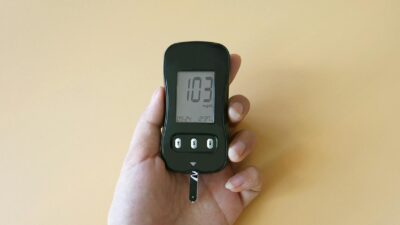
Yes, high blood sugar can cause a stroke. People with type 2 diabetes have roughly 1.5 to 2 times the stroke risk of people with normal glucose, and prediabetes also raises risk compared with the general population. Chronic hyperglycemia damages blood vessels, promotes clotting, worsens cholesterol, and raises blood pressure, each of which independently contributes to stroke.
How High Blood Sugar Damages the Brain’s Blood Vessels
Chronic hyperglycemia injures the lining (endothelium) of arteries throughout the body, including those supplying the brain. Glucose reacts with proteins to form advanced glycation end-products (AGEs), which stiffen vessels and accelerate atherosclerosis. At the same time, high glucose promotes inflammation, platelet aggregation, and oxidative stress. The result is narrower, stiffer, more clot-prone arteries, setting the stage for both ischemic and hemorrhagic strokes.
Two Main Types of Stroke and How Sugar Contributes
| Stroke Type | What Happens | How Hyperglycemia Contributes |
|---|---|---|
| Ischemic (about 87% of strokes) | Blood clot blocks a brain artery | Atherosclerosis, increased clotting, atrial fibrillation risk |
| Hemorrhagic (about 13%) | Blood vessel bursts in or near the brain | Uncontrolled hypertension, weakened vessel walls |
| Transient Ischemic Attack (TIA) | Temporary blockage, symptoms resolve | Same mechanisms; warning sign for future stroke |
| Lacunar (small vessel) | Tiny deep-brain strokes | Strongly linked to diabetes and hypertension |
How Much Does Diabetes Raise Stroke Risk?
Large pooled analyses, including the Emerging Risk Factors Collaboration, estimate that diabetes roughly doubles the risk of ischemic stroke. Prediabetes raises risk by about 10-20 percent compared with normoglycemia, with risk rising as A1C climbs. According to the CDC, adults with diabetes are 1.5 times more likely to have a stroke than adults without diabetes.
Stroke Symptoms: BE FAST
- B – Balance: Sudden loss of balance or coordination
- E – Eyes: Sudden vision loss, double vision, or blurred vision
- F – Face: Drooping or numbness on one side of the face
- A – Arm: Sudden weakness or numbness, often one-sided
- S – Speech: Slurred, garbled, or nonsensical speech
- T – Time: Call 911 immediately; write down the time symptoms started
Other warning signs include sudden severe headache, confusion, difficulty walking, or trouble swallowing. Time-sensitive treatments (tPA and mechanical thrombectomy) work best within the first hours.
Related Conditions That Multiply Risk
High blood sugar rarely travels alone. The same people often carry hypertension, high LDL cholesterol, low HDL, high triglycerides, and excess abdominal fat. Each adds incrementally to stroke risk. Sleep apnea, atrial fibrillation, and smoking are force multipliers. Addressing only the glucose while ignoring the rest leaves substantial risk on the table.
What Hyperglycemia Does During a Stroke
Elevated glucose at the time of a stroke is associated with larger infarct size, worse neurological outcomes, and higher risk of hemorrhagic conversion after clot-busting therapy. Hospitals aim to normalize glucose carefully in acute stroke patients. This is one reason emergency teams check blood sugar immediately on arrival for any suspected stroke.
Prevention Starts With the Risk Factors You Can Move
Blood Sugar
Target A1C below 7 percent for most adults with diabetes, with individualized goals. For prediabetes, the target is to move A1C back under 5.7 percent through lifestyle change and, when appropriate, medication. Understanding your baseline is the first step. See our A1C levels guide and reversing prediabetes resource.
Blood Pressure
Hypertension is the single most modifiable stroke risk factor. Target below 130/80 mmHg for most adults with diabetes or prediabetes. Home monitoring, reduced sodium intake, potassium-rich foods, exercise, weight loss, and medication when needed all help.
Cholesterol
Statins reduce stroke risk substantially in people with diabetes, even at modest LDL levels. Discuss with your clinician whether you meet criteria. Diet changes (less saturated and trans fat, more fiber, more fatty fish) amplify the benefit.
Weight and Exercise
Losing 5-10 percent of body weight improves glucose, blood pressure, and lipids simultaneously. Aim for 150 minutes of moderate activity weekly plus resistance training. Our diet and nutrition hub has practical guidance.
Smoking, Alcohol, Sleep
Quit smoking; within 5 years of quitting, stroke risk falls substantially. Limit alcohol to one drink per day for women and two for men, at most. Screen for sleep apnea if you snore, are sleepy during the day, or have resistant hypertension.
Atrial Fibrillation
People with diabetes are more likely to develop atrial fibrillation, which raises stroke risk 5-fold. If your pulse feels irregular, or if a smartwatch flags it, get an ECG. Treatment with anticoagulation in appropriate patients prevents thousands of strokes each year.
What Medications Can Help
- Metformin: first-line for type 2 diabetes, modest cardiovascular benefit
- GLP-1 agonists (semaglutide, dulaglutide) and SGLT2 inhibitors: demonstrated cardiovascular risk reduction in large trials
- Statins: reduce stroke and heart attack risk
- Antihypertensives: ACE inhibitors, ARBs, calcium channel blockers, thiazides
- Anticoagulants: when atrial fibrillation is present
- Antiplatelets: aspirin in selected secondary prevention contexts
What to Do Right Now
- Know your A1C, blood pressure, and LDL cholesterol numbers.
- Screen for atrial fibrillation and sleep apnea if you have risk factors.
- Build a weekly movement plan and aim for 7-9 hours of sleep.
- Cut sugar-sweetened beverages and ultra-processed snacks first.
- If symptoms of a stroke appear, call 911 immediately; do not drive yourself.
The Bottom Line
Can high blood sugar cause a stroke? Yes. Years of elevated glucose silently damage blood vessels and amplify every other stroke risk factor. The good news is that the same levers that reverse prediabetes, controlling blood sugar, blood pressure, cholesterol, and weight, also cut stroke risk substantially. Work with your clinician on personalized targets, screen regularly, and know the BE FAST signs so you can act fast if stroke ever strikes you or someone around you.
Medical disclaimer: This article is educational only and is not a substitute for personalized medical advice. If you suspect a stroke, call 911 immediately. For other concerns, consult your healthcare provider.