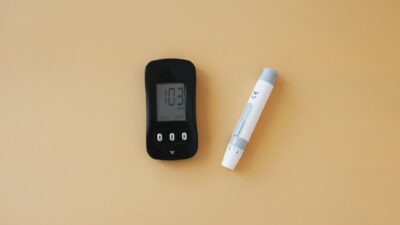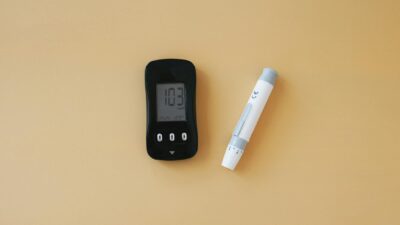
Compounded GLP medications are pharmacy-prepared versions of GLP-1 receptor agonist drugs like semaglutide and tirzepatide. They became widely available during the 2022-2024 brand-name shortages but are not FDA-approved products. This guide explains what they are, how 503A and 503B pharmacies differ, and the current FDA stance.
What Compounding Means
Pharmacy compounding is the practice of combining, mixing, or altering drug ingredients to create a customized medication for an individual patient. A classic example is a pediatric liquid made from a tablet that only comes in adult-size. Compounding is legal and regulated, but it is not the same as manufacturing an FDA-approved drug. Individual compounded products do not undergo clinical trials or FDA review for safety, potency, or consistency.
GLP-1 compounding became prominent when Ozempic, Wegovy, Mounjaro, and Zepbound entered FDA-declared shortages between 2022 and 2024. Federal law allows compounding of otherwise unavailable drugs during official shortages, and a large direct-to-consumer telehealth industry emerged around compounded semaglutide and tirzepatide.
Which GLP Drugs Get Compounded
Three molecules account for nearly all compounded GLP activity: semaglutide (the active ingredient in Ozempic, Wegovy, Rybelsus), tirzepatide (active in Mounjaro, Zepbound), and retatrutide (an investigational triple agonist not yet FDA-approved). Compounding retatrutide is especially concerning because no FDA-approved version exists to shortage-exempt it.
For more detail on brand-name drug equivalents, see our related article on compounded GLP-1, which covers semaglutide-specific compounding issues in greater depth.
503A vs 503B: Two Very Different Regulatory Tiers
Compounding pharmacies fall into two categories defined by federal law. The distinction matters because it determines oversight, batch-size limits, and interstate commerce rules.
| Feature | 503A Pharmacy | 503B Outsourcing Facility |
|---|---|---|
| Prescription type | Patient-specific prescription required | Can make office stock for healthcare facilities |
| FDA registration | No (state-regulated) | Yes (FDA-registered) |
| FDA inspections | Limited | Regular, cGMP-aligned |
| Batch size | Typically small | Larger batches allowed |
| Interstate shipping | Limited | Allowed |
| Quality control | State board standards | cGMP-like standards |
| Typical GLP vendor type | Local and telehealth-partnered | Larger telehealth platforms |
Both tiers can legally compound GLP-1 medications under certain circumstances, but patients should ask any vendor which tier their pharmacy operates under. 503B facilities are not necessarily safer than 503A, but they face more consistent federal oversight.
The FDA Stance on Compounded GLP
The FDA has issued multiple public warnings about compounded GLP-1s. Specific concerns include: dosing errors leading to overdose hospitalizations, use of semaglutide sodium or semaglutide acetate (salt forms never tested in humans — the approved product uses semaglutide base), bacterial contamination from poor aseptic technique, and misleading telehealth marketing that presents compounded drugs as equivalent to brand products.
In late 2024, the FDA removed tirzepatide from the drug shortage list; semaglutide shortages eased in 2025. When a drug is no longer on shortage, federal law generally prohibits compounding of “essentially a copy” of the FDA-approved product. Some compounding continues under specific patient-need exceptions (e.g., allergy to an excipient in the brand formulation), but blanket compounding for convenience is restricted.
Why Patients Seek Compounded Versions
Three drivers push patients toward compounded GLP-1s. Cost is the biggest: brand Wegovy and Zepbound list at roughly $1,000-1,350 per month without insurance, while compounded semaglutide commonly runs $200-400. Insurance coverage for weight-loss indications remains patchy, and many employer plans exclude obesity medications entirely.
Access is the second driver — during true shortages, brand products were simply unavailable. The third is customization: some compounders offer flexible dosing (microdoses, B12 combinations) not available in brand-name pens. Each driver has real value but must be weighed against quality and legal risks.
How to Evaluate a Compounded GLP Source
If you are considering compounded GLP-1, ask these questions. What is the specific active ingredient and salt form (should be semaglutide base, not sodium or acetate)? Is the pharmacy 503A or 503B, and where is it located? Does the pharmacy provide a certificate of analysis showing potency and purity for each batch? Who prescribes — a licensed physician who reviews your labs, or an automated questionnaire? Are side effects and dosing adjustments managed by a clinician or an algorithm?
Vet the telehealth company too. Legitimate platforms publish their medical advisory board, pharmacy partners, and complaint/return policies. Unbranded sellers on social media or unverified websites are high-risk. For general context on treatment options, see our overview of prediabetes treatment and prediabetes basics.
Alternatives to Compounded GLP
If cost is the barrier, check whether you qualify for the manufacturer savings programs (Novo Nordisk offers a Wegovy savings card; Eli Lilly offers a Zepbound savings program). If brand GLP-1s are not affordable or covered, metformin, lifestyle intervention, and structured diabetes prevention programs are evidence-backed alternatives for prediabetes. For weight management, bariatric consultation may be appropriate depending on BMI and comorbidities.
The Bottom Line
Compounded GLP medications are pharmacy-made versions of semaglutide or tirzepatide that filled a gap during brand-name shortages. They are not FDA-approved, vary in quality across 503A and 503B facilities, and are now legally restricted in most cases as brand availability has returned. If considering compounded GLP, vet the pharmacy, verify the salt form, and discuss safer alternatives with your clinician.
This content is for educational purposes only and is not a substitute for professional medical advice. Consult your healthcare provider before starting or switching GLP-1 medications.