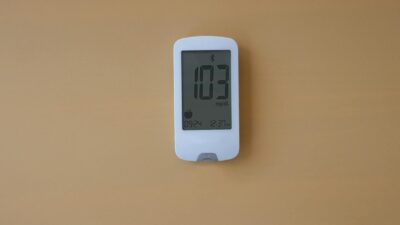
A normal 1-hour glucose test result is under 140 mg/dL when you take the 50-gram glucose challenge test (GCT) during pregnancy — the standard screening test for gestational diabetes between 24 and 28 weeks. Some clinicians use a stricter cutoff of 130 or 135 mg/dL. Outside of pregnancy, a 1-hour blood sugar after a normal meal should generally stay under 180 mg/dL.
1-Hour Glucose Test Normal Range Cutoffs
The exact cutoff depends on the situation and the practice’s protocol. The table below summarizes the most common reference values used in the US.
| Test setting | Normal (pass) | Abnormal (fail / follow-up) |
|---|---|---|
| 50g GCT in pregnancy (standard) | Under 140 mg/dL | 140 mg/dL or higher |
| 50g GCT in pregnancy (stricter cutoff) | Under 130-135 mg/dL | 130-135 mg/dL or higher |
| 1 hour after a meal (non-pregnant) | Under 180 mg/dL | 180 mg/dL or higher |
| 1 hour after a meal (pregnancy goal) | Under 140 mg/dL | 140 mg/dL or higher |
| 1-hour value during 75g or 100g OGTT | Under 180 mg/dL | 180 mg/dL or higher |
What the 1-Hour Glucose Challenge Test Measures
The GCT is a screening test, not a diagnostic one. You drink a 50-gram glucose solution (often called Glucola), wait one hour, then have a single venous blood draw. The number reflects how efficiently your body cleared a fixed glucose load from circulation. A higher number suggests insulin resistance or insufficient insulin response — common during the second half of pregnancy when placental hormones drive insulin resistance.
ACOG (American College of Obstetricians and Gynecologists) endorses universal GCT screening at 24-28 weeks for all pregnant patients without pre-existing diabetes. Earlier screening is recommended for higher-risk patients — including those with a previous GDM pregnancy, BMI over 30, or family history of diabetes.
Preparing for the GCT
You do not need to fast for the 1-hour glucose challenge test. You can eat normally and continue daily activities. A few practical tips can help avoid an unnecessary fail:
- Avoid a high-carb breakfast (pancakes, sugary cereal, juice) the morning of the test.
- Stay hydrated — dehydration can concentrate blood and slightly raise glucose.
- Drink the Glucola within 5 minutes; sipping slowly can blunt the peak and skew the result low.
- Stay seated and calm during the hour. Walking around briskly between dose and draw can lower the number artificially.
What a High 1-Hour Result Means
A failed GCT does not mean you have gestational diabetes. It means you need a confirmatory test. Two pathways are common in the US:
- Two-step approach (most common in the US): Failed GCT triggers a 100-gram, 3-hour oral glucose tolerance test (OGTT). Diagnosis requires meeting two of four cutoffs (Carpenter-Coustan or NDDG criteria).
- One-step approach (IADPSG): Skip the GCT and go straight to a 75-gram, 2-hour OGTT. A single elevated value confirms gestational diabetes.
About a third of people who fail the GCT pass the longer test. Even when GDM is confirmed, the great majority of pregnancies have excellent outcomes with diet, monitoring, and (when needed) insulin or metformin.
The 1-Hour Number Outside Pregnancy
If you are not pregnant and check blood sugar 1 hour after a meal — for example, with a CGM or fingerstick — the ADA recommends staying under 180 mg/dL in adults with diabetes. People without diabetes typically peak at 120-140 mg/dL one hour after a typical meal, returning toward 100 mg/dL by 2 hours. Persistent post-meal readings over 180 mg/dL are worth discussing with your clinician. For more on diagnostic thresholds, see our overview of prediabetes basics.
Accuracy and Limitations
The GCT has a sensitivity of about 70-85 percent at the 140 mg/dL cutoff. Lowering the cutoff to 130 mg/dL improves sensitivity but increases false positives. Lab method matters too — venous plasma is the standard; fingerstick capillary readings are not interchangeable. If your number sits right at the cutoff, ask whether your practice typically retests or moves directly to the OGTT. Our A1C levels guide covers a complementary measure that is sometimes used in early pregnancy to flag pre-existing diabetes.
The Bottom Line
The 1-hour glucose test normal range is under 140 mg/dL in pregnancy (or under 130-135 mg/dL with stricter cutoffs), and under 180 mg/dL one hour after a meal outside pregnancy. The GCT is a screen — not a diagnosis. According to ACOG Practice Bulletin 230, all pregnant patients should be screened at 24-28 weeks. A high result deserves a calm conversation with your clinician and follow-up testing, not panic.