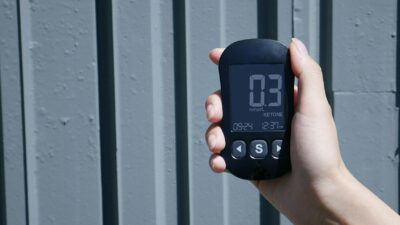
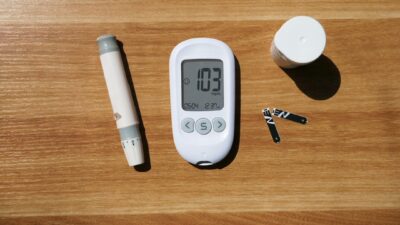
The Dexcom G7 receiver is an optional touchscreen device that displays glucose readings for users who do not use or own a compatible smartphone. Most US insurers, including Medicare, count it as a separate piece of durable medical equipment (DME) and issue one receiver per 12-month supply period. Sensors are billed on their own day-supply cycle, usually 30 or 90 days.
What the Dexcom G7 Receiver Is
The G7 receiver looks like a small smartphone — a 2.4-inch color touchscreen that pairs with a Dexcom G7 sensor over Bluetooth. It shows your current glucose, trend arrow, alerts, and a 24-hour history. Unlike the G6 receiver, the G7 receiver is smaller and has a redesigned charging port. It is not connected to cellular service and does not run apps beyond Dexcom.
You do not need a receiver if your phone runs the Dexcom G7 app. Both work the same way, and the app generally has more frequent feature updates than the receiver.
Day Supply: How Insurance Counts It
“Day supply” refers to the number of days an item is expected to last. For Dexcom G7 supplies, two separate cycles are usually counted:
- Sensors: Each 10-day sensor (or 15-day extended sensor) has a defined day supply. Suppliers commonly bill 30 days (3 sensors) or 90 days (9 sensors) at a time.
- Receiver: Counted as a one-time DME item, with a typical replacement cycle of 12 months. Medicare and most commercial insurers will not authorize a second receiver within that window unless it is documented as lost, stolen, or defective beyond warranty.
Receivers are not “consumable” the way sensors are. The 365-day cycle reflects the expected useful life and reorder cadence, not actual battery wear. With normal care, a receiver lasts well beyond a year.
Medicare and the Dexcom G7 Receiver
Medicare covers continuous glucose monitors under DME for people who use insulin or have a documented history of problematic hypoglycemia. The current rules, summarized from CMS Local Coverage Determination L33822:
- One receiver covered per 12-month period.
- The user must have a face-to-face visit with a qualifying clinician documenting CGM need.
- Sensors are covered as a 1-month or 3-month supply.
- The receiver is not required if the user has a smartphone running the Dexcom G7 app.
If you opt out of the receiver and use the app only, your supplier should not bill Medicare for a receiver you did not receive. Confirm shipment contents on each reorder.
Replacement and Warranty
The Dexcom G7 receiver carries a 12-month manufacturer warranty. Common reasons for replacement include:
- Battery no longer holds charge.
- Touchscreen unresponsive.
- Bluetooth pairing fails despite reset.
- Physical damage outside normal use (drops, water exposure beyond IP rating).
For warranty issues, contact Dexcom Technical Support directly — not your DME supplier — for a replacement device. Outside warranty, replacements may be billed to insurance under the next eligible 12-month cycle.
Do You Need One? When App-Only Is Fine
App-only is the right choice for most users today. Reasons to add a receiver:
- You do not own a compatible smartphone.
- Your phone OS is older than the supported version.
- Work or school restricts smartphone use.
- You want a backup display in case the phone is lost or damaged.
- A caregiver wants a separate device to monitor glucose.
For broader context on choosing CGM technology, see our overview of prediabetes basics, which discusses how monitoring fits into early diabetes management.
Common Billing Mistakes to Watch
- A supplier ships a receiver you did not request — flag it and return so the cost is not counted toward your DME cap.
- Sensors and receivers billed under the same code, leading to denied claims. Each item has a distinct HCPCS code.
- Two receivers in 12 months without justification. The second usually denies.
- Out-of-pocket cost surprises when switching pharmacy benefit to DME benefit. Pharmacy benefit may have lower copays for sensors.
If you are using CGM as part of a broader prediabetes or type 2 diabetes plan, our diet and nutrition hub covers the lifestyle inputs that drive your glucose trends.
The Bottom Line
The Dexcom G7 receiver is optional, and most insurers treat it as a 12-month durable medical equipment item — one receiver per year of supply. Sensors are billed on their own 30-day or 90-day day supply. Medicare follows the same general rule under LCD L33822. App-only is the default for most users today. Confirm with your supplier what is in each shipment so you do not pay for hardware you do not need.