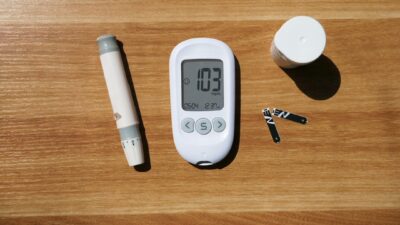
A normal fasting blood sugar is under 100 mg/dL, measured after at least 8 hours without food or caloric drinks. Fasting glucose of 100 to 125 mg/dL signals prediabetes; 126 or higher on two separate tests indicates diabetes. Targets shift in pregnancy and in older adults — the table below covers the most common categories.
Fasting Blood Sugar Targets by Category
| Group | Target fasting glucose | Source |
|---|---|---|
| Healthy adult, no diabetes | Under 100 mg/dL (typical 70-99) | ADA, CDC |
| Prediabetes (impaired fasting glucose) | 100-125 mg/dL | ADA |
| Diabetes diagnosis (confirmed on 2 tests) | 126 mg/dL or higher | ADA |
| Most adults with diabetes | Under 130 mg/dL (often 80-130) | ADA Standards 2025 |
| Older or frail adults with diabetes | Under 140 mg/dL (relaxed) | ADA Standards 2025 |
| Pregnancy with gestational or pre-existing diabetes | Under 95 mg/dL | ACOG Bulletin 230, ADA |
| Children with type 1 diabetes | 90-130 mg/dL pre-meal | ADA Pediatric Standards |
What Counts as Fasting
“Fasting” means no food or caloric drinks for at least 8 hours. Water is fine. Black coffee or unsweetened tea will technically affect results slightly through cortisol and caffeine effects but is generally allowed by labs. Anything with sugar, milk, juice, or alcohol breaks the fast for testing purposes. Most fasting labs are scheduled in the morning so the overnight fast is convenient.
Why Fasting Glucose Matters
Fasting glucose reflects how well your liver and pancreas regulate blood sugar overnight, when the body relies on hepatic glucose production. Elevated fasting glucose suggests:
- Increased liver glucose output (gluconeogenesis).
- Reduced insulin sensitivity, especially in the liver and muscle.
- Insufficient overnight insulin secretion from beta cells.
This is why metformin — which reduces hepatic glucose output — has its strongest effect on fasting numbers. For deeper context on diagnosis, see our prediabetes overview.
Prediabetes Range: 100-125 mg/dL
A fasting glucose between 100 and 125 mg/dL on two separate occasions defines prediabetes (sometimes called impaired fasting glucose). This is not diabetes, but it carries higher risk for type 2 diabetes, cardiovascular disease, and metabolic complications. The Diabetes Prevention Program found that 5-7 percent weight loss and 150 minutes of moderate activity per week reduced progression to diabetes by 58 percent. Our A1C levels guide walks through how fasting glucose connects to A1C.
Diabetes Range: 126 mg/dL and Above
A confirmed fasting glucose of 126 mg/dL or higher meets ADA criteria for type 2 diabetes. The diagnosis usually requires two abnormal tests on separate days, unless symptoms (polyuria, polydipsia, weight loss) plus a random glucose over 200 mg/dL are present. Once diagnosed, the goal shifts from prevention to management — typically targeting fasting glucose under 130 mg/dL, with adjustments based on age, comorbidities, and hypoglycemia risk.
Older or Frail Adults: Why Targets Loosen
For adults over 65 with multiple chronic conditions, limited life expectancy, or high hypoglycemia risk, the ADA endorses relaxed glucose targets — fasting glucose up to 140 mg/dL or even 150 mg/dL. The reason is straightforward: hypoglycemia in older adults is more dangerous than mild hyperglycemia, increasing fall and cardiovascular risk. Tight control rarely produces meaningful long-term benefit when life expectancy is shorter than the time needed for microvascular complications to develop.
Pregnancy: Tighter Targets
Pregnancy demands stricter glucose control because elevated maternal glucose drives fetal hyperinsulinemia, leading to macrosomia, birth complications, and neonatal hypoglycemia. ACOG and ADA endorse the following targets for gestational and pre-existing diabetes during pregnancy:
- Fasting: under 95 mg/dL
- 1 hour post-meal: under 140 mg/dL
- 2 hours post-meal: under 120 mg/dL
If lifestyle measures cannot reach these targets, insulin (and sometimes metformin) is added. Postpartum, glucose usually returns toward baseline, but follow-up testing is essential — gestational diabetes raises lifetime type 2 diabetes risk by 7-10 fold.
How to Lower a High Fasting Glucose
- Avoid late-night carbohydrate-heavy snacks; the dawn phenomenon raises fasting glucose further when the liver compensates.
- Aim for 7-8 hours of sleep — short sleep raises cortisol and fasting glucose.
- Add a daily 20-30 minute walk after dinner to improve insulin sensitivity overnight.
- Increase fiber to 25-38 g/day; fiber slows glucose absorption and lowers fasting numbers over weeks.
- Discuss medication options with your clinician if lifestyle changes alone are insufficient.
Our diet and nutrition hub covers practical meal patterns for fasting glucose control.
The Bottom Line
Healthy fasting blood sugar is under 100 mg/dL. Prediabetes sits at 100-125, and diabetes at 126 or higher (confirmed). According to the ADA Standards of Care 2025, most adults with diabetes target fasting glucose under 130 mg/dL, with relaxed goals for older adults and stricter goals (under 95) for pregnancy. Talk with your clinician about the right number for your situation.